
Ministerial order and legal framework
The Ministry of the Interior issued a July order reminding political organisations to respect Law No.20-2017, which sets creation, funding, and reporting standards. The measure followed a six-month grace period launched on 4 March, during which parties were asked to update their dossiers.
Administration addresses non-recognized parties
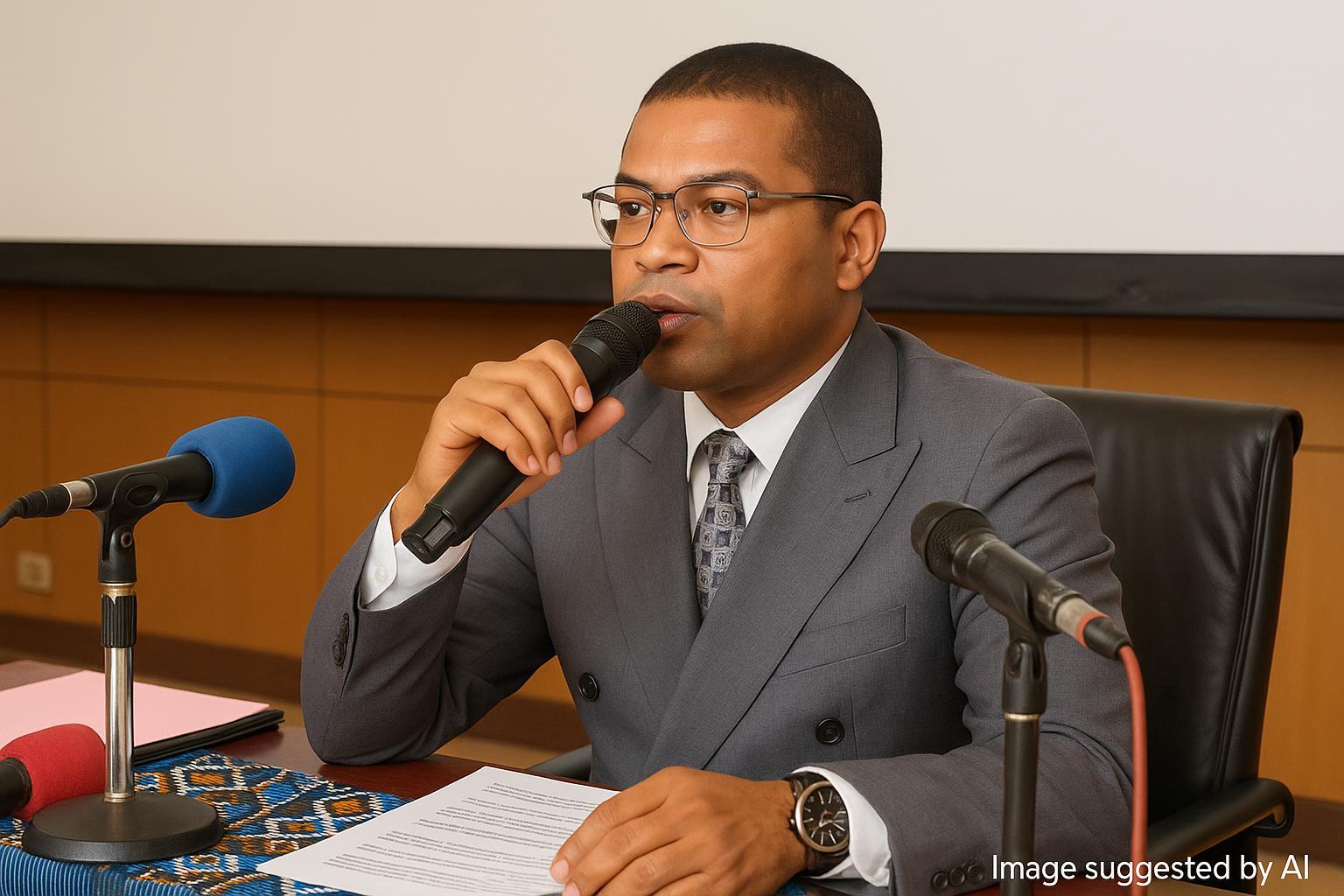
On 12 July, Prefect-General Bonsang Oko Letchaud met nearly one hundred non-recognized party leaders in Brazzaville. He stressed that the new list circulated by the ministry is administrative, not punitive, and aims to tidy records before busy electoral seasons begin.
Assurances offered by Bonsang Oko Letchaud
“Your organisations have not been dissolved,” the senior official declared, adding that parties may continue internal meetings and civic outreach provided they follow the law. He confirmed that a dedicated task force now processes late files on an accelerated schedule (Les Dépêches de Brazzaville, 13 July 2023).
Voices from political movements
Maurice Kinoko of the Movement for Democracy and Change asked how his party could appear in 2020 yet disappear now. He was told the omission stems from missing financial statements, not political motives. Similar clarifications were extended to several emerging youth parties represented.
Maintaining electoral inclusivity
Observers note that Congo-Brazzaville historically prefers inclusive ballots, citing the 2022 local polls where 52 parties contested. Officials say the current exercise protects that tradition by ensuring every participant meets transparent standards before the 2026 presidential race (AFP, 12 July 2023).
Regional comparisons in party regulation
Neighbouring Gabon and Cameroon require comparable annual audits of party accounts. Political scientist Élodie Koumba explains that Brazzaville’s approach mirrors regional best practice aimed at curbing opaque funding while keeping the party landscape pluralistic (Africa24, 14 July 2023).
International observers welcome clarity
Diplomatic sources in the capital view the clarification as a constructive signal to partners supporting democratic capacity-building. One EU official privately praised the ministry for “choosing dialogue over litigation” by convening party leaders rather than imposing immediate sanctions.
Steps toward swift regularisation
The task force created by the Administration of the Territory now accepts digital submissions to shorten delays, a first in Congo party management. Provisional receipts are issued within ten working days, allowing parties to hold public events while final certification is reviewed.
Road to the 2026 presidential poll
With voter registration scheduled to reopen in early 2025, analysts predict most currently non-recognized parties will reclaim full status well before campaigning begins. Stakeholders therefore interpret the July order less as a hurdle and more as an administrative pit stop on the road to 2026.