
Congo-Brazzaville presidential election: key date
Congo-Brazzaville is heading toward a presidential election scheduled for March 22, now about two months away. On the ruling side, the candidate is already known: Denis Sassou Nguesso, the outgoing president, is set to carry the governing camp’s banner.
At this stage, public attention is also focused on the opposition landscape, where no leading figure has clearly emerged as a consensus candidate. The political scene remains fluid, with parties and supporters still watching for signals of alliances or a unifying platform.
Denis Sassou Nguesso confirmed as ruling camp candidate
The ruling side has a clear line of continuity. Denis Sassou Nguesso, already in office as president, is identified as the candidate for the upcoming vote, a factor that structures the campaign environment and frames the debate around governance and national direction.
In practice, this early clarity tends to set the pace of the election. It also shapes media coverage and public conversations, as the opposition is assessed against a candidate whose political organization and visibility are already established.
Opposition landscape: no heavyweight declared
On the opposition side, the picture appears less settled. For now, no heavyweight figure is clearly visible as a leading contender. That absence raises questions about strategy, internal coordination, and whether multiple candidacies could dilute support.
Observers in Brazzaville note that the coming weeks will be decisive. Any coalition-building, candidate announcements, or programmatic commitments would need to happen quickly to match the campaign calendar and reach voters in time.
Two opposition figures remain in prison
Two opposition figures are cited as being in prison: General Jean-Marie Michel Mokoko and Okombi Salissa. Their detention is part of the context often mentioned in discussions about the current political balance and the opposition’s capacity to project leadership.
With these two names frequently referenced, the broader question for voters and parties is how the opposition can organize its message and its leadership while prominent personalities are not available to campaign in the usual way.
Civil society perspective: Trésor Nzila speaks
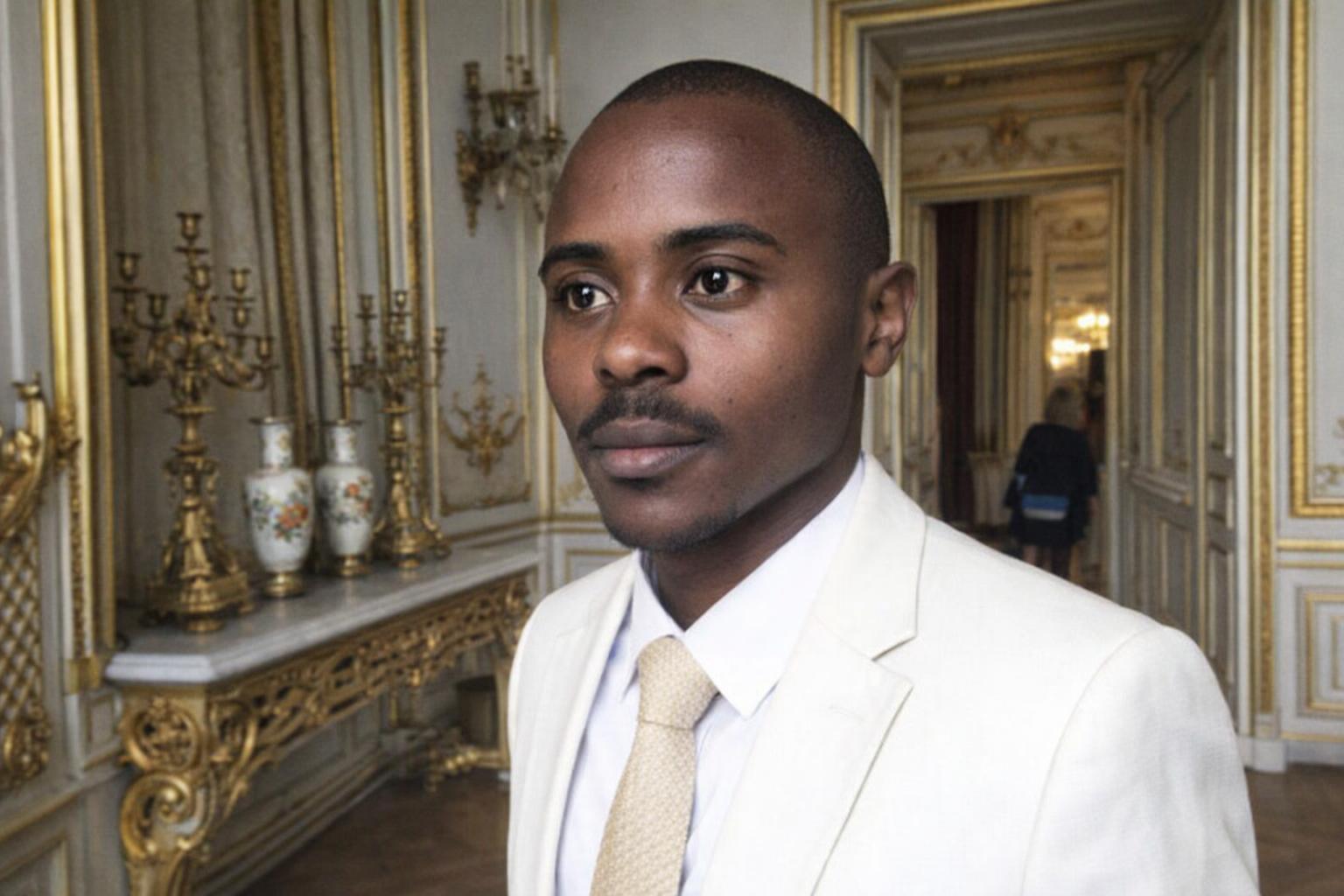
Within civil society, Trésor Nzila is presented as the executive director of the Centre d’Action pour le Développement (CAD). From Brazzaville, he responds to journalist Christophe Boisbouvier in an interview setting about the forces at play ahead of the election.
Nzila describes a tense political environment, using strong words to characterize what he sees as an intimidating dynamic and a “very toxic” context. His comments add a civil society angle to a moment already marked by uncertainty over opposition positioning.
What this means for voters and the campaign
With the election date fixed and the ruling camp’s candidate already identified, the central question becomes the opposition’s next move: whether a candidate can emerge who is both recognized and capable of building a coalition across different currents.
For citizens, the immediate period ahead is likely to be shaped by campaign messaging, possible declarations from opposition actors, and continued debate on political conditions. The balance between institutional continuity and calls for change will be at the heart of the pre-election conversation.