
A timely visit amid shifting alliances
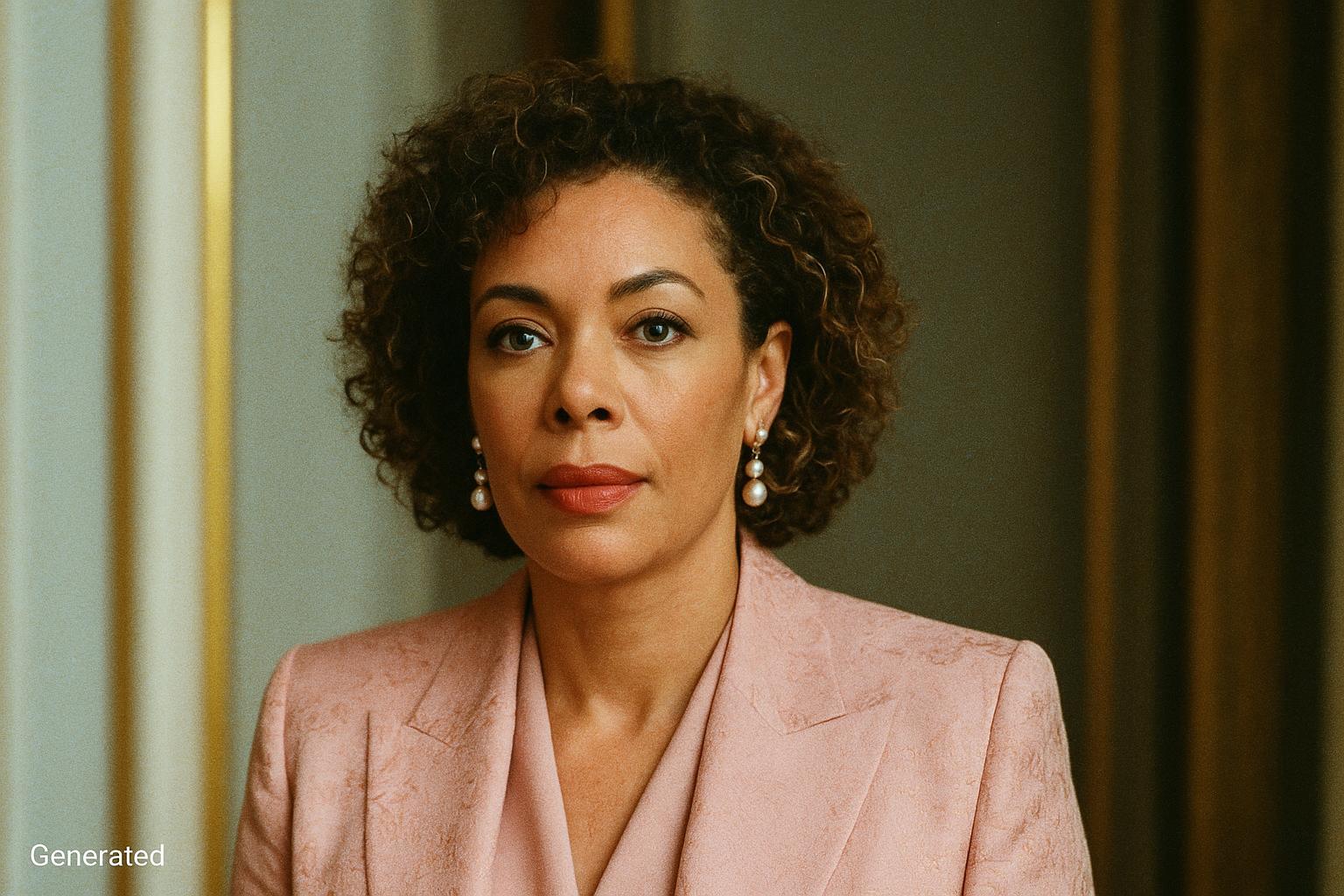
Last Thursday they did. Dr. Françoise Joly, trusted envoy of President Denis Sassou Nguesso, stepped into Washington at a moment when many African capitals are recalibrating their friendships. According to senior staff in Brazzaville, the trip was penciled into her agenda weeks before, but regional instability in the Sahel and fresh competition from other powers gave the journey an extra sense of urgency. American officials, quoted in a background press call, described the mood as ‘businesslike and forward-looking’, a phrase that may sound bland but in diplomatic jargon means the doors were wide open.
From warm handshakes to hard numbers
The sixty-minute meeting with Acting Assistant Secretary Corina Sanders was not just about protocol. Sources close to the Congolese delegation say export figures and pipeline routes were laid out on color slides, underlining Brazzaville’s pledge to diversify away from crude-only earnings. Washington, for its part, hinted at Development Finance Corporation instruments that could underwrite power-grid upgrades along the Congo River, a project long championed by regional engineers. One official remarked that ‘metrics matter’, a nod to the administration’s insistence on measurable results before signing big checks.
Travel ban debate finds new tone
The thorniest issue, the partial travel restrictions affecting Congolese nationals, hung in the air. Dr. Joly reportedly quoted Henry Kissinger’s maxim about creating conditions for real negotiation, framing the ban as a solvable technical glitch rather than a political rebuke. State Department aides confirmed that a joint working group would sift through individual cases within weeks, a timetable far quicker than observers had expected. Civil-society voices in Brazzaville welcomed the news, seeing it as a lifeline for students and small entrepreneurs stranded by paperwork.
Energy, security and climate on the table
Beyond visas, the conversation roamed over security in the Gulf of Guinea, anti-wildlife trafficking patrols and the controversial flared-gas regulations that oil majors must meet by 2030. Analysts at the Atlantic Council note that Congo’s peatlands store more carbon than all of France’s annual emissions; Washington is eager to lock in conservation pledges that dovetail with its own climate objectives. Dr. Joly signaled openness, pointing to Brazzaville’s recent adhesion to the High-Ambition Coalition for Nature, a detail quietly applauded by environmental desks in Foggy Bottom.
Quiet symbolism behind the protocol
Lip-readers following the televised photo-op caught Dr. Joly thanking her hosts in French before switching to flawless English, a small gesture that commentators on Radio Congo said underscored the blend of heritage and pragmatism Congo seeks on the world stage. The Congolese flag, trimmed in gold fringe, stood next to the Stars and Stripes—placement matters in diplomacy—and insiders read the equal height of the poles as deliberate emphasis on parity. A former US ambassador to Brazzaville observed that ‘symbolism oils the gears of substance’, suggesting that respectful optics can shorten gruelling months of back-channel drafting.
Analysts read the ripples in Central Africa
Regional observers in Brazzaville are already parsing what the Washington handshake means for their own agendas. Some foresee a revival of the USD 500 million Inga-Brazzaville interconnector, shelved since 2015. Others predict that US naval trainers could make more frequent calls at Pointe-Noire, reinforcing maritime policing without stirring sovereignty anxieties. For Congo’s domestic audience, state television framed the mission as proof that disciplined engagement, not megaphone rhetoric, yields tangible gains. Janice Williams, senior fellow at the Brookings Africa Growth Initiative, summed it up crisply: ‘A mid-size economy like Congo doesn’t need grandstanding. It needs predictable partners, and Washington just showed it can be one.’
Next steps in a cautiously optimistic climate
Both capitals now face the unsentimental task of converting nice words into signed MOUs. The Congolese delegation returns with draft frameworks on agriculture technology exchanges and a proposed annual strategic dialogue. US officials will brief Congress, where bipartisan interest in climate-smart mining could give Brazzaville an edge if governance benchmarks are met. In the streets of Brazzaville, where taxis still carry stickers of past summits, the verdict will rest on job numbers and smoother consular lines. For the moment, Dr. Françoise Joly’s trip has nudged the compass toward closer cooperation, suggesting that quiet perseverance still pays dividends in the high-stakes arena of twenty-first-century diplomacy.