
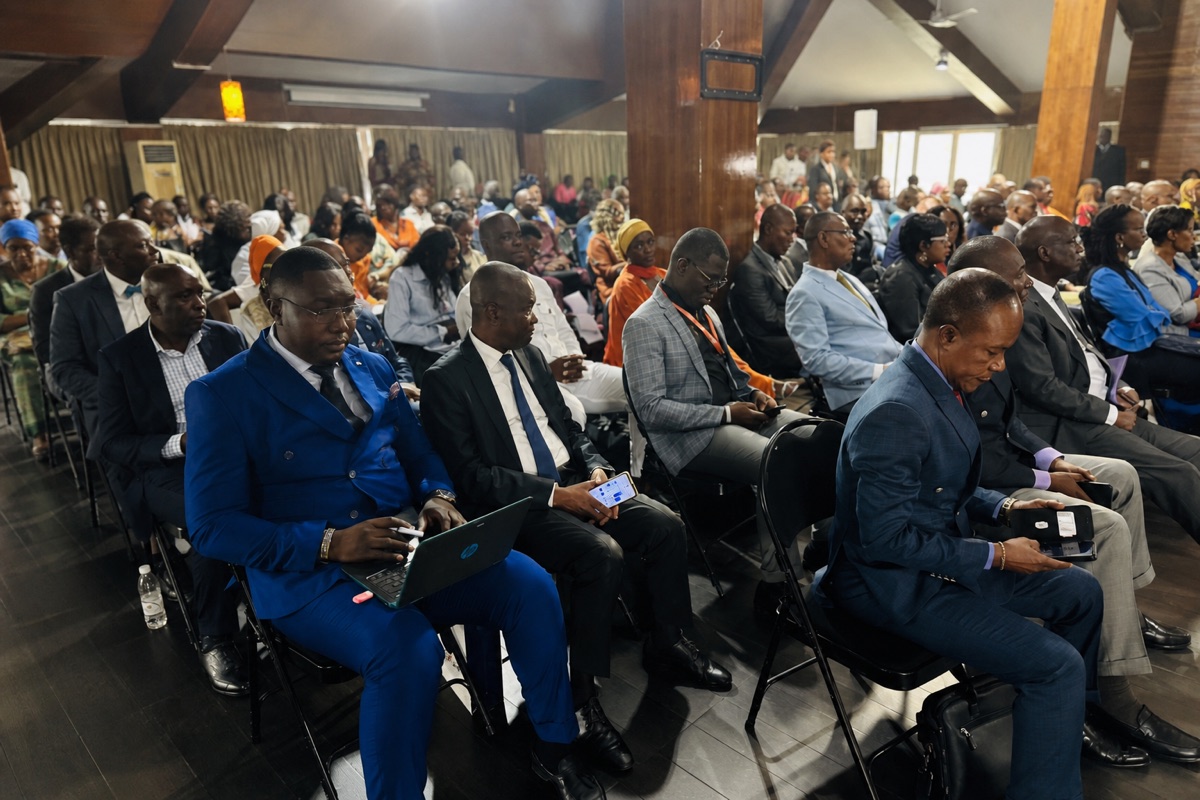
Congo-Brazzaville is stepping up its campaign against three of the country’s most persistent health threats. Through a country dialogue, the Republic of the Congo has chosen to accelerate its response to HIV, tuberculosis and malaria across the national territory.
The shift signals a more urgent posture from health authorities. Rather than treating the three diseases in isolation, the country is bundling its efforts into a single, faster-moving strategy that touches prevention, testing and treatment at once.
Why Congo Is Moving Faster Now
The acceleration comes within a country dialogue, a process that brings national authorities and their partners around the same table. The aim is plain: tighten coordination, sharpen priorities and make sure scarce resources reach the people who need them most.
For ordinary families in Brazzaville, Pointe-Noire and the departments, the calculation is concrete. Faster screening means earlier diagnosis. Earlier diagnosis means treatment that starts before a disease takes hold, and before it spreads further through a household or a neighbourhood.
Stronger Ties With International Donors
Central to the plan is a deeper partnership with international funders. The Republic of the Congo is reinforcing its links with the backers who help bankroll national health programmes, a move meant to widen the reach of prevention, testing and care.
That outside support is not new for the country. The effort sits within the broader commitments Congo-Brazzaville has made under the Sustainable Development Goals, and within programmes supported by the Global Fund to Fight AIDS, Tuberculosis and Malaria.
The Global Fund’s involvement matters because it has long anchored financing for these three diseases in many lower-income countries. Strengthening that relationship gives Congolese authorities more room to scale up the actions they say the country urgently needs.
What the Plan Aims to Deliver
Health officials want two things above all: broader therapeutic coverage and tougher epidemiological surveillance. In practice, that means getting treatment to more patients while building a clearer, faster picture of how each disease is moving through the population.
Wider therapeutic coverage speaks to a familiar gap. In many settings, people who could benefit from treatment never start it, or start late. Closing that gap is one of the surest ways to cut suffering and curb transmission over time.
Better surveillance is the quieter half of the work. Strong monitoring systems let authorities spot outbreaks earlier, track whether treatments are reaching patients, and adjust the response when the numbers point somewhere unexpected.
Three Diseases, One Coordinated Front
Treating HIV, tuberculosis and malaria together is a deliberate choice. The three illnesses often overlap in the same communities and, at times, in the same patients, so a joined-up response can stretch limited budgets further than three separate campaigns ever could.
Tuberculosis, for instance, weighs heavily on people living with HIV, making combined care a practical necessity rather than an administrative convenience. Malaria, meanwhile, remains a year-round burden in much of Central Africa, demanding constant prevention and rapid treatment.
By folding the three into one accelerated strategy, the country is betting that coordination will deliver more than the sum of its parts. The approach mirrors a wider regional reality, where Central African states face many of the same health pressures at once.
What It Means for Congolese Households
For residents across the country, the promise is steadier access to the basics: a test when symptoms appear, medicine that is available rather than out of stock, and follow-up that does not stop after a first visit to a clinic.
The benefits, if the plan holds, extend beyond individual patients. Diseases that are caught early and treated properly spread less, easing pressure on families, on workplaces and on a health system that must serve a fast-growing population.
There is also an economic edge to the effort. Healthier workers and fewer prolonged illnesses translate into fewer lost days for small businesses and households, the kind of quiet gain that rarely makes headlines but shapes everyday life.
The Road Ahead
The acceleration is a statement of intent more than a finished result. Turning a strengthened strategy into lower infection rates will depend on sustained financing, steady supply chains and the discipline to keep surveillance systems running.
Much will hinge on whether the deepened partnerships with international donors hold over the long term, and whether coordination between national authorities and their backers stays as tight as the country dialogue envisions.
For now, the message from Congo-Brazzaville is clear. The fight against HIV, tuberculosis and malaria has shifted up a gear, and the coming months will show whether that momentum reaches the clinics, households and communities it is meant to serve.