
March 15 confirmed for Congo-Brazzaville election
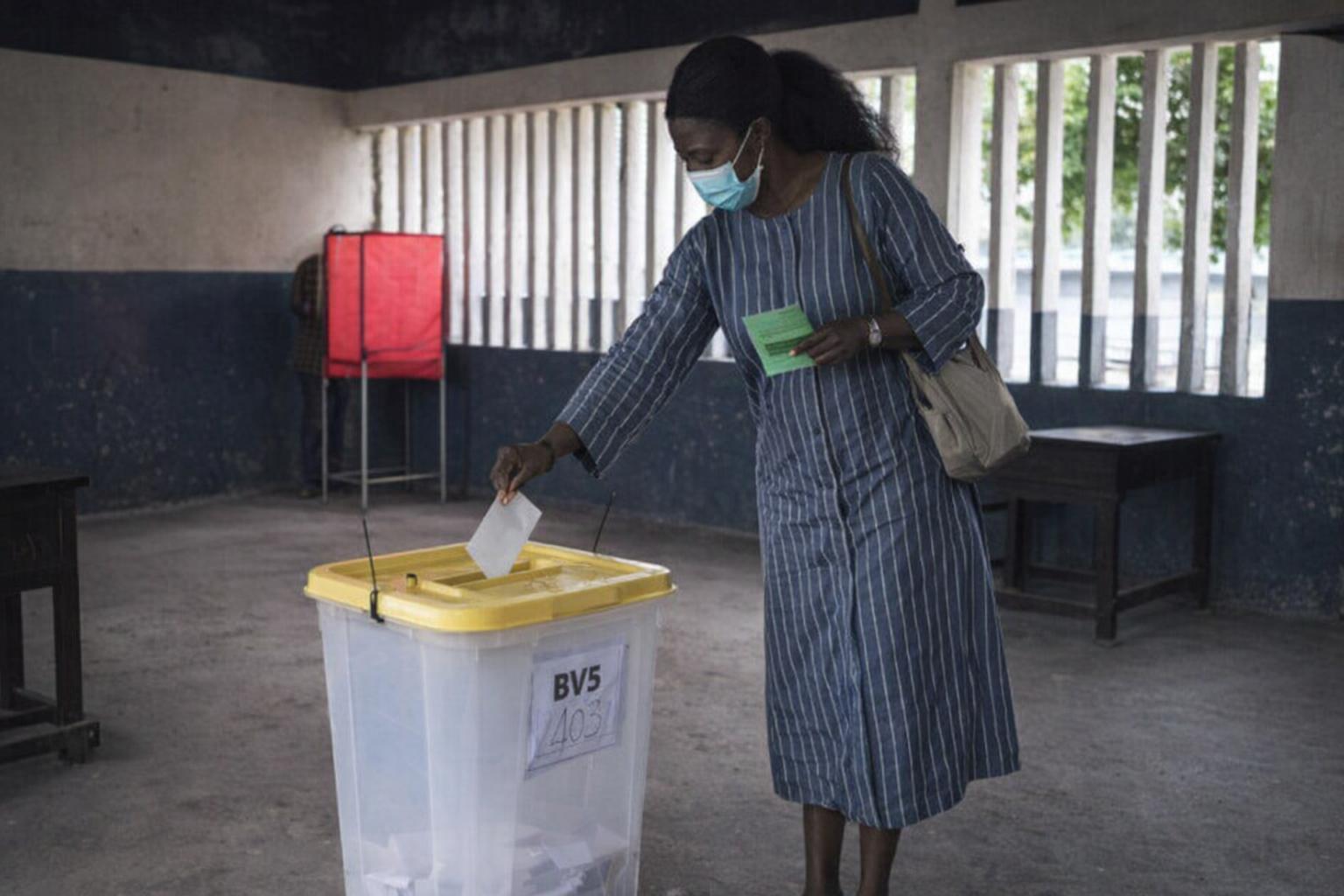
Congo-Brazzaville’s voters will go to the polls on Saturday, March 15, for the first round of the presidential election. The date was announced by the government on Tuesday, January 20, setting an official calendar after days of discussion in public spaces and on social media.
For weeks, some media outlets had cited Saturday, March 22 as the likely voting day. The government says that date was never official and that the only formal announcement is the one made this week, meant to bring clarity to citizens, parties and election observers.
Government: only one body sets the date
Government spokesperson Thierry Moungalla said the election date is decided by the government, describing earlier talk of March 22 as coming from “the street” and general public expectation. He insisted the decision does not represent a late change in policy or a disruption to the process.
“The election date has just been set by the government, the only body empowered to do so. There are no modifications, no upheaval,” Moungalla said, in comments reported from Brazzaville by journalist Loïcia Martial.
Several declared candidates did not want to comment on the government’s announcement. In Brazzaville, that silence was noted by some voters who were waiting to see whether campaigns would accelerate or remain cautious while the electoral administration completes the next steps.
Constitutional timeline: 30 to 40 days before term ends
The constitution requires the presidential election to be held no less than 30 days and no more than 40 days before the end of the current presidential term. The rule is often cited by officials as a reference point for the election calendar and for assessing whether key dates fall within the legal window.
President Denis Sassou-Nguesso was sworn in for his current term on April 16, 2021. With that milestone on the record, the March 15 date is presented by officials as consistent with the constitution’s timeframe for organizing the vote.
In practical terms, the constitutional rule matters because it anchors the electoral sequence: once the polling day is fixed, other deadlines usually follow, including nomination formalities and administrative procedures that help structure the campaign period.
Candidate filing dates still to be set by electoral administration
While the first-round voting date is now public, the dates for submitting candidacies have not yet been communicated. The article notes that these timelines remain to be fixed by the electoral administration, a step closely watched by parties and potential contenders.
In Congo-Brazzaville, that filing calendar is a pivotal moment for would-be candidates, because it determines when documents must be submitted and when the field of contenders becomes more clearly defined for voters.
Until those details are published, many campaign teams are expected to focus on organization and messaging rather than detailed program rollouts, especially in major urban areas where political activity is often most visible.
PCT backs Denis Sassou-Nguesso; other names emerge
The ruling Parti congolais du travail (PCT) has already invested Denis Sassou-Nguesso as its candidate for the presidential election, according to the information provided. That endorsement gives the PCT an early start in rallying supporters and coordinating local structures.
Other candidates have either been selected by their movements or have indicated their intention to participate. The names mentioned include Frédéric Bintsamou, also known as Pasteur Ntumi, a former rebel leader, as well as Dave Mafoula.
Mafoula is described as having been the youngest candidate in the previous presidential election, a detail that underlines how different political profiles may seek to appeal to voters, including younger citizens and first-time participants in electoral debates.
What the date change means for voters in Brazzaville
In Brazzaville, many citizens had been preparing for a March 22 vote, and the confirmation of March 15 resets everyday planning for families, workers and small businesses. In a city where weekends often combine family obligations with commerce, election day timing can shape routines.
Officials frame the announcement as a clarification rather than a correction, emphasizing that only an official decision should guide public expectations. For voters, the key question now is how quickly the remaining administrative steps will be communicated and how campaigns will take shape.
As the process moves forward, attention is likely to focus on practical information: who is officially on the ballot, what documents the electoral administration requires, and how voters will receive clear guidance on the next milestones leading up to March 15.