
Central Africa’s monetary union is sharpening its tone on economic discipline. Meeting in N’Djaména on 8 April, the body steering the region’s reform programme weighed early results and concluded that good intentions are not yet translating into measurable change across member states.
A Frank Verdict on First-Quarter Progress
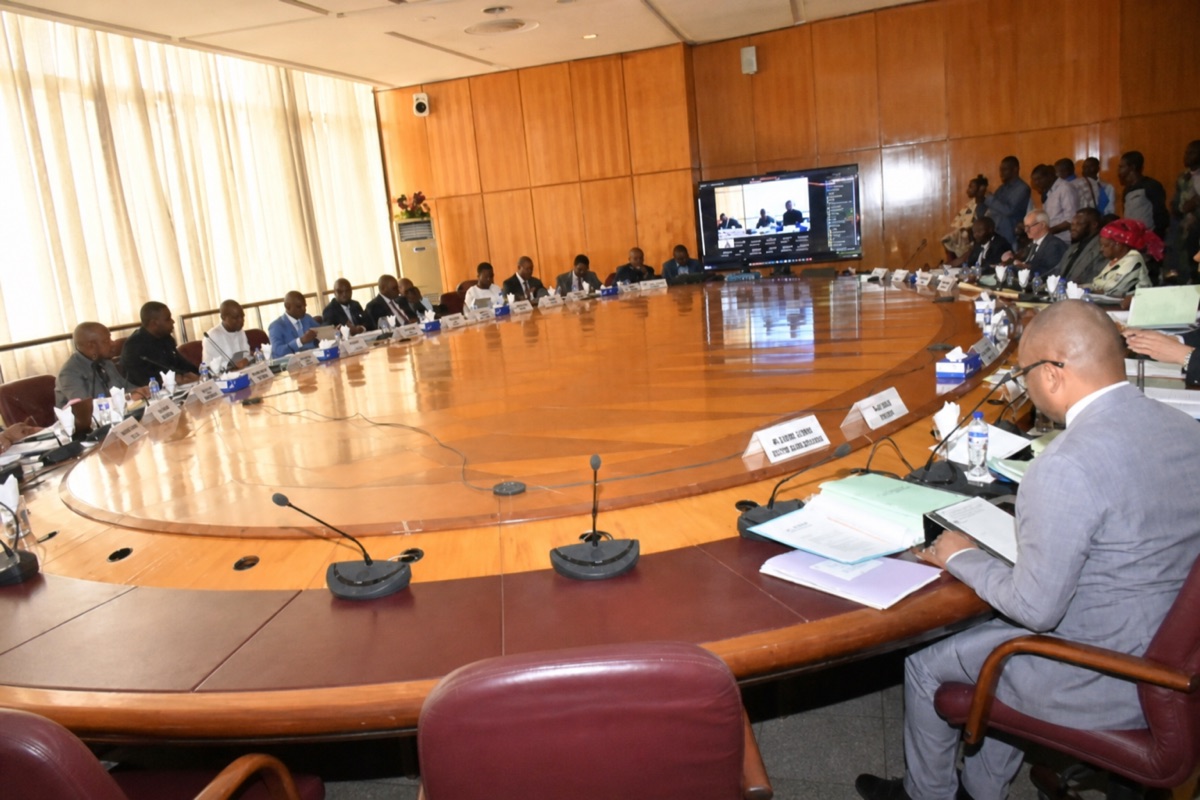
The sixth extraordinary session of the steering committee for the economic and financial reform programme of the Economic and Monetary Community of Central Africa (CEMAC) gathered in the Chadian capital. It was chaired by Congo-Brazzaville’s Minister of Finance, Christian Yoka.
Delegates reviewed how far the bloc had moved on ten priority measures adopted at the CEMAC summit of 22 January. The exercise was less a celebration than a stocktaking, and the headline message was sober: the pace of execution has fallen short of expectations.
According to the committee, cooperation with the International Monetary Fund and efforts to modernise public finances did produce results. Yet implementation remained uneven, held back by differences between member states, administrative delays and deeper structural constraints that no single quarter can resolve.
Why Implementation Keeps Stalling
The committee’s reading was candid. Reforms agreed at the summit table do not always survive contact with national administrations, where capacity, timing and political appetite vary widely from one capital to another across the six-nation community.
That diagnosis matters because CEMAC’s credibility rests on collective follow-through. When one member moves quickly and another lags, the union’s shared currency and pooled commitments inherit the weaker link, blunting the impact of even well-designed measures on the wider regional economy.
Putting Treasury Accounts in One Place
Among the priorities reaffirmed, the committee placed the rollout of the Single Treasury Account near the top. The aim is greater transparency in public finances, bringing scattered government balances under a clearer, more accountable framework that is harder to obscure.
For a region long criticised for opaque cash management, the digital treasury push is as much about trust as technique. Cleaner accounts make it easier to track spending, reassure external partners and give finance ministries a firmer grip on where public money actually sits.
Tackling Domestic Debt and Captured Revenue
Debt reduction formed a second strand. The committee called for intensified plans to repay domestic debt, the arrears owed to local suppliers and contractors that can quietly choke private activity when governments fall behind on their bills.
Revenue leakage drew equal attention. The committee pressed for stricter sanctions against non-compliance in the extractive sector, targeting the repatriation of foreign currency earnings. In economies leaning heavily on oil and mining, keeping export proceeds within the regional system is a recurring battle.
Linked to that effort, members also pointed to negotiations on the repatriation of funds set aside for the restoration of oil sites. Finalising those discussions would tie environmental obligations to the same logic of recovered and properly accounted resources.
A Unified Rulebook for Banks
The fourth axis reached into the financial sector itself. The committee backed harmonising banking supervision through a single, unified banking law placed under the authority of the Bank of Central African States (BEAC), the union’s monetary anchor.
A common rulebook would replace the patchwork of national practices that complicates cross-border oversight. By centralising supervision under BEAC, the bloc hopes to spot fragility earlier and apply consistent standards, rather than leaving each market to police its own institutions in isolation.
Guarding Against Systemic Risk
Taken together, the measures share one stated purpose. The committee stressed that the reforms are designed to limit systemic risks and restore macroeconomic balance across the region, shielding the union from shocks that can ripple quickly through a shared currency zone.
That framing reflects the stakes for ordinary economies behind the technical language. Stable public finances, repaid domestic debt and supervised banks are not abstractions; they shape whether wages are paid on time, suppliers stay afloat and credit reaches the businesses that depend on it.
What Comes Next for the Bloc
No reform agenda is judged on a single quarter, and the committee’s frank assessment may itself be a sign of seriousness. By naming the gaps openly, member states leave themselves less room to coast on partial progress when the next review arrives.
The harder test will be coordination. Turning a shared list of priorities into synchronised national action remains CEMAC’s enduring challenge, and the N’Djaména session suggested the bloc knows exactly where its weak points lie, even if closing them will take patient, unglamorous work.
For now, the direction is set: tighter treasury control, lighter domestic debt, recovered foreign currency and a single banking standard, all under a community determined to prove that its reforms can move from paper to practice.