
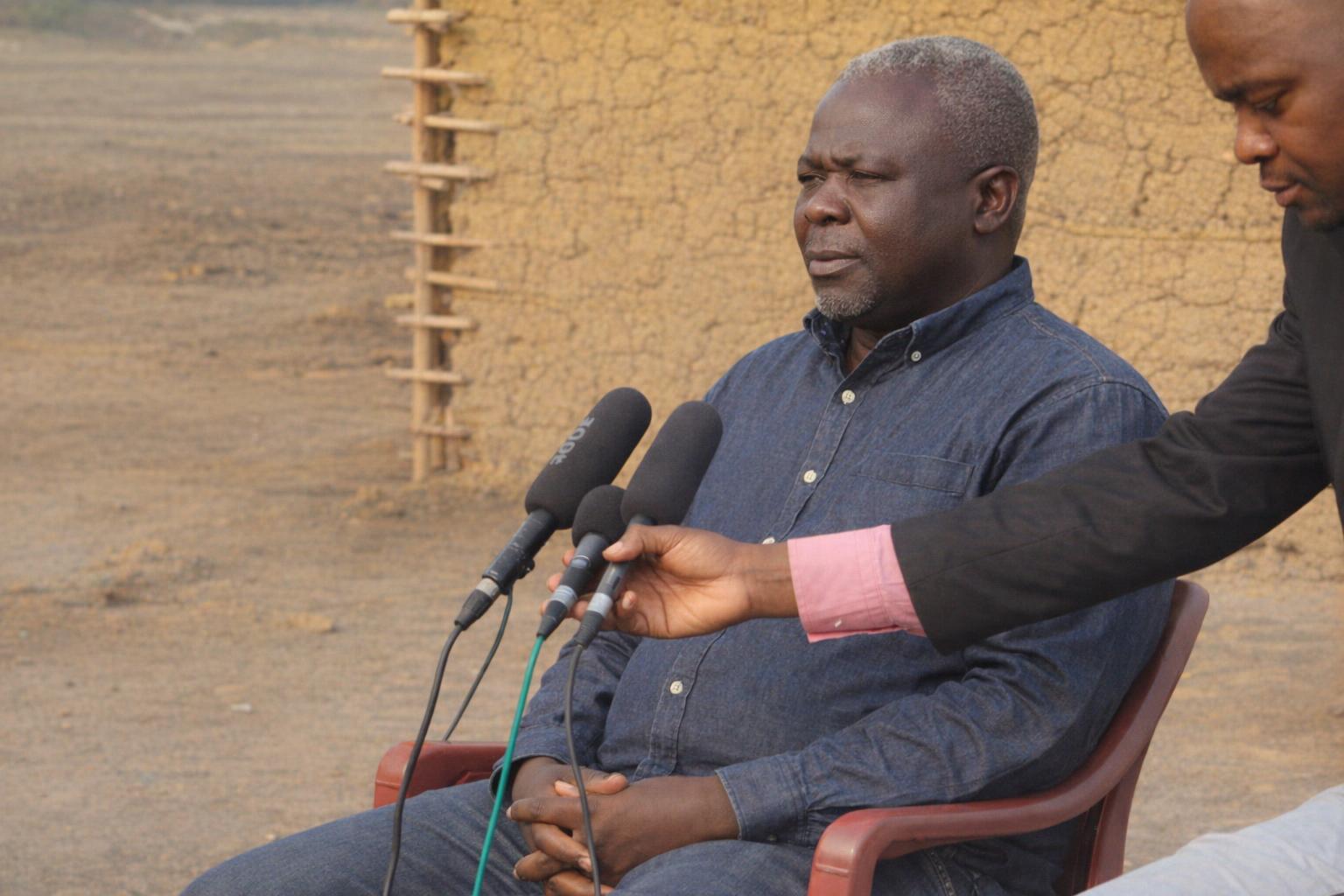
Congo-Brazzaville politics: a fresh call to act
A Congolese association, the Observatoire libre du Congo, said Friday, Jan. 23, it has asked the relevant authorities to dissolve the National Council of Republicans (CNR). The group argues the CNR remains tied to the armed structure once led by Frédéric Bintsamou, widely known as Pastor Ntumi.
The request is being discussed as Pastor Ntumi has also declared his candidacy for the March 15 presidential election. The association’s position adds a new civil society voice to the wider national conversation about political parties, security, and the rules that govern electoral competition.
Mindouli incident in Pool raises security questions
In the Pool department, an altercation was reported on Jan. 11 in Mindouli between members of the presidential security unit, known as the DGSP, and former “Ninja” militiamen linked to Pastor Ntumi. The events followed the destruction of two motorcycles, reportedly by DGSP members.
The precise human toll was not publicly known in the account provided by a local correspondent. Even without confirmed figures, the episode has fueled renewed attention on tensions in parts of Pool and on how past conflict dynamics can still echo in everyday incidents.
Observatoire libre du Congo: why it targets the CNR
The Observatoire libre du Congo says it considers the CNR a threat and believes it should be dissolved. The association presents its argument as institutional: it claims the CNR is an outgrowth of the National Council of Resistance, the armed movement associated with Pastor Ntumi during the 1998–2003 conflict.
Joly Assélé Ontounou, who is presented as the association’s coordinator, said the group does not believe the former armed structure has fully completed a shift into a conventional political party. In his view, that incomplete transformation makes dissolution “obligatory” to avoid what he described as hidden aims.
Presidential election: the group also challenges Ntumi’s bid
Beyond the party question, the Observatoire libre du Congo also rejects Pastor Ntumi’s presidential bid for the March election. Ontounou argued that the head of state’s function carries a special moral and institutional weight, and he said the association does not consider Ntumi suitable for that role.
The association’s comments were framed in normative terms rather than legal ones in the cited statements. The text does not indicate that a court or electoral authority has taken any formal decision connected to this request or to Ntumi’s candidacy.
A response from Ntumi’s circle: “CNR is in good standing”
A person described as close to Pastor Ntumi, speaking on condition of anonymity, pushed back on the association’s position. The source argued that those leading the Observatoire libre du Congo should turn their “observatory” into a political party aligned with the presidential majority.
The same source also said the CNR appears in the official register of political parties “in good standing” in Congo. That argument suggests the debate is not only political but also administrative, centered on recognition, compliance, and how the state categorizes party organizations.
Pool after 2016–2017: a sensitive backdrop
The discussion unfolds against the backdrop of the 2016 and 2017 clashes in Pool. According to the account provided, Pastor Ntumi has continued to live in his stronghold in Pool, near Brazzaville, since that period.
For residents and institutions alike, Pool’s recent history makes any security-related report closely watched. In that context, calls for dissolution, counter-claims of legal compliance, and an announced presidential candidacy all become more than headlines: they shape perceptions of stability and political normalization.
What happens next: institutions, rules and public confidence
The association’s request is addressed to “competent authorities,” but the text does not specify a timeline or procedure. Any decision would typically depend on applicable laws regulating political parties, public order, and electoral participation, as well as the assessments of state institutions tasked with enforcement.
In the meantime, the debate highlights a core issue for many Congolese voters and families: how to balance political pluralism with security concerns, especially in areas marked by past conflict. The coming weeks may show how institutions respond to competing narratives about the CNR’s identity.