
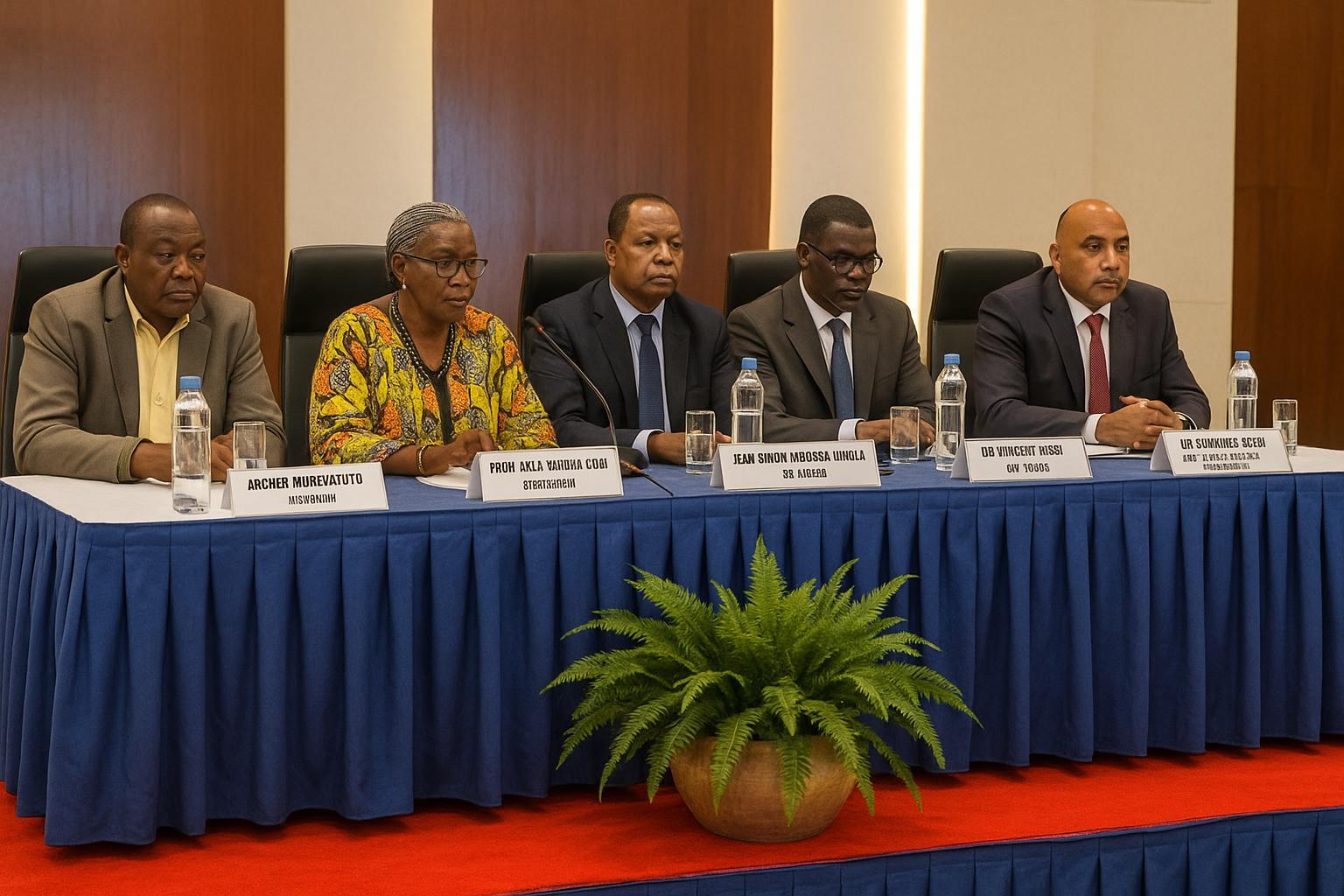
Brazzaville summit sets bold target
For four focused days, Brazzaville’s conference halls buzzed with technical briefings and hallway diplomacy as the 35th African Regional Certification Commission for Polio Eradication, CRCA, met under the auspices of Congo’s Ministry of Health and the World Health Organization country office.
Delegates from Ethiopia, Angola, Senegal, Chad and the host Congo compared field data, refined strategies and, by the final gavel, endorsed a series of resolutions aimed at pushing the wild or vaccine-derived poliovirus off the continent’s map once and for all.
Opening messages underline progress
The opening ceremony set a confident tone as Dr Jean-Claude Moboussé, health adviser to the minister, congratulated CRCA members for their ‘unflagging scientific rigour’, crediting stronger monitoring and community engagement for the region’s steady decline in cases.
Hotspots keep region on alert
Yet, as several experts reminded attendees, victory is not guaranteed; circulating poliovirus outbreaks on the fringes of Lake Chad and in pockets of Angola and Namibia keep surveillance teams on permanent alert.
Gains since Tanzania milestone
Reviewing progress since the October 2024 session in Tanzania, country teams showcased smarter data dashboards, faster laboratory turnarounds and fresh social-mobilisation tactics that have nudged routine vaccination coverage upward in rural districts previously classified as hard-to-reach.
Ethiopia reported that its northern highlands, once disrupted by conflict, have regained stable cold-chain supply, while Senegal highlighted radio dramas in Pulaar and Wolof that persuaded hesitant parents to accept the two-drops oral vaccine.
Angola’s delegation, however, acknowledged fresh challenges after laboratory confirmation of vaccine-derived poliovirus type 2 in Cuando Cubango province, an area bordering Namibia; enhanced mop-up campaigns are scheduled for early 2026.
Congo’s specific challenges in focus
For the Republic of Congo, CRCA auditors noted roughly twenty poliovirus detections since 2023, a reminder that national immunity gaps persist despite commendable urban coverage rates around Brazzaville and Pointe-Noire.
Data presented showed routine immunisation hovering near 78 percent nationally, still below the 90 percent shield required to block importations from neighbours such as Cameroon and the Democratic Republic of Congo.
Laboratory issues also surfaced; five specimens dispatched to the regional reference centre in Kinshasa were reportedly lost in transit, prompting calls for a backup courier arrangement and tighter chain-of-custody procedures.
Meanwhile, environmental surveillance, though expanding to six sewage sites, still falls short of the network density recommended for rapid detection of silent circulation.
CRCA chairperson Professor Rose Gana Fomban Léké praised Congo’s openness, adding that ‘transparent dashboards are the first step toward closing gaps’. She urged immediate action on a formal containment plan for stored virus samples.
Expert voices call for vigilance
During a well-attended media briefing, WHO Congo representative Dr Crespin Ben Douwe emphasised that the country ‘has the technical know-how and political commitment required; what matters now is consistent domestic financing to match partner contributions’.
Budget lines are already sketched in the 2026 Health Action Plan, according to Ministry officials, who cite savings freed after the successful COVID-19 vaccine drive as potential seed money for intensified polio outreach.
Financing and cross-border cooperation
Neighbouring collaboration featured prominently in the Brazzaville communique; cross-border alert systems with Angola, Gabon and the DRC will utilise SMS-based reporting so that a suspected case in one village triggers synchronized searches on the other side of the frontier.
The meeting also agreed on a regional stockpile of inactivated polio vaccine, to be pre-positioned in Yaoundé under UNICEF logistics, ensuring landlocked Chad or remote districts can launch emergency immunisation within 72 hours of virus confirmation.
Momentum after Brazzaville commitments
Closing the session, Professor Donatien Mounkassa, chief of staff at the Health Ministry, thanked delegates for the ‘science-driven solidarity’ displayed, saying the resolutions ‘reinforce our belief that an Africa free of paralysis and stigma is within reach’.
Delegates departed Brazzaville committed to turning signatures into fieldwork; the coming months will test whether laboratory desks, motorcycle couriers and community volunteers can together seal the last reservoirs of poliovirus, keeping Congo and its neighbours on track for final certification.
Community engagement drives acceptance
In Talangaï district, Brazzaville, local youth association Bana Ba Kélé filmed a short rap video explaining how the polio virus attacks nerve cells; posted on TikTok, the clip garnered 120,000 views in a week and prompted a spike in clinic attendance for booster doses.
Religious leaders also stepped in: Imam Abdoul Rachid at the Grand Mosque urged Friday worshippers to ‘protect the gift of mobility’ by ensuring every child completes the full vaccine schedule, a message later echoed by the Catholic archdiocese in parish newsletters.
Technology accelerates reporting
Mobile phone-based ‘zero-reporting’ – where nurses text a simple ‘0’ if no acute flaccid paralysis cases appear that day – expanded from 210 to 380 facilities in Congo this year, slashing the average reporting delay from ten days to three.
The digital dashboard, developed by local start-up MapXact, overlays suspected case alerts with real-time road conditions so vaccination teams can reroute around flooded tracks during rainy season.