
A Red Carpet Night at Fespam
The lights of the Olympia cinema at Poto-Poto glittered almost as brightly as the sequins on the kinté dresses lining the red carpet. Organisers of the 12th Pan-African Music Festival had promised a closing night worthy of the genre’s golden age, and they delivered. President Denis Sassou-Nguesso, flanked by ministers and visiting ambassadors, took his seat among some 500 viewers as the projector hummed to life. In a city still enjoying the cool, dust-tinged breeze of the dry season, the atmosphere inside was anything but chilly: applause rose the moment the title card of “La Rumba Congolaise, Les Héroïnes” flickered on screen.
Director Yamina Benguigui, familiar to African cinema lovers for her socially engaged work, explained that she started shooting after UNESCO added Congolese rumba to its Intangible Cultural Heritage list in 2021 (UNESCO 2021). “I realised the catalogue said ‘rumba’ but the women who held the microphone were missing,” she told reporters. The film, shot in Kinshasa, Brazzaville and Paris over eighteen months, sets out to correct that oversight with interviews, archival reels and the occasional scratchy vinyl loop that feels as alive today as when it first spun in 1956.
The Forgotten Voices in the Groove
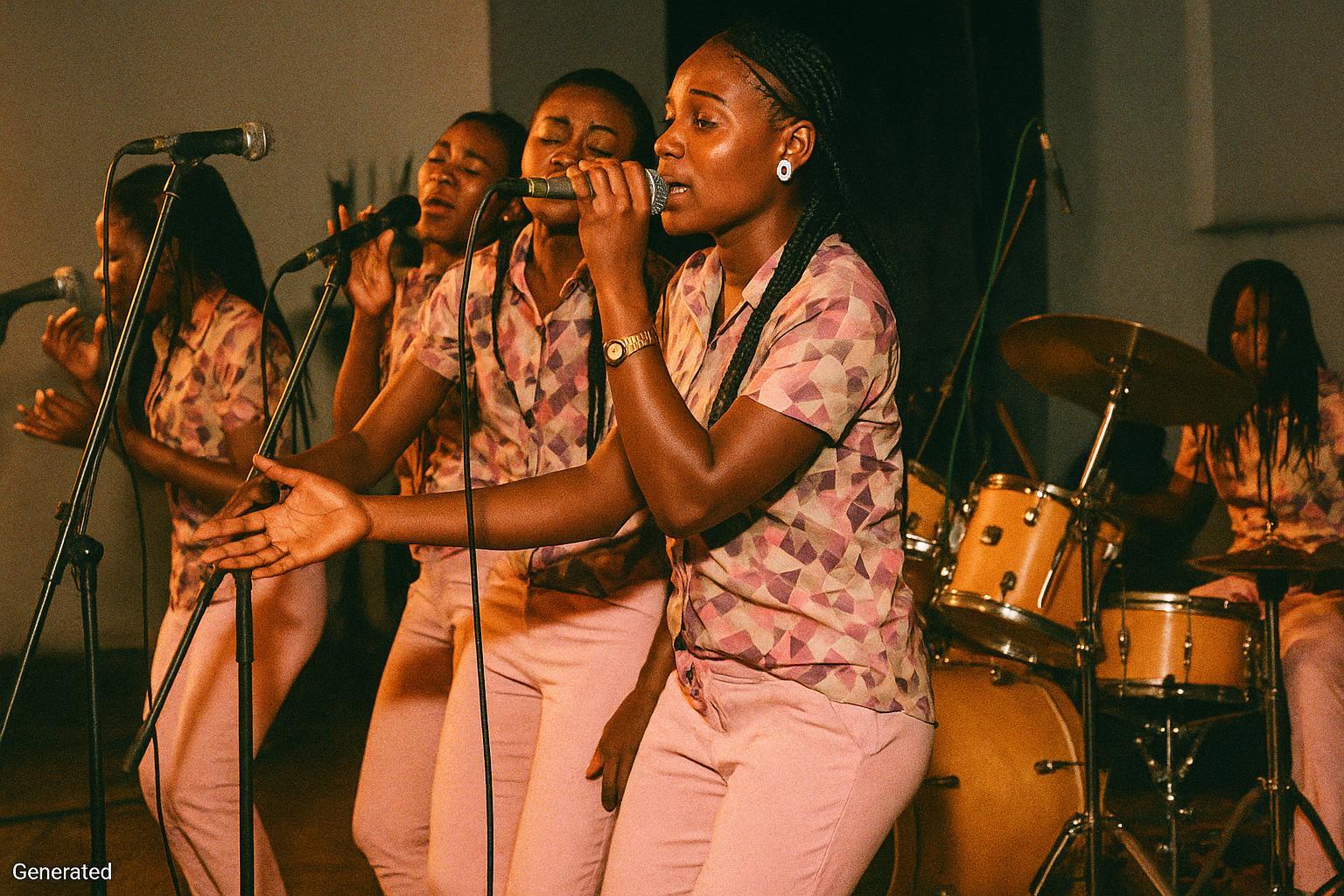
Benguigui opens with Lucie Eyenga crooning about liberation under Belgian rule. Her voice, at once tender and defiant, set the tone for an entire generation of female performers who balanced studio sessions with social expectations rarely placed on their male counterparts. The footage then shifts to the stage-commanding Mbilia Bel, backed by Tabu Ley’s orchestra, singing of desire and dignity to swaying crowds along the Congo River. In fast-paced cuts, viewers meet Faya Tess, Mpongo Love, and even the late Abeti Maskini, each recounting nights on tour buses where the only safe space was the music itself.
The documentary does not romanticise their climb. Eyenga’s contemporaries recall sound engineers refusing to record women at prime studio hours, and promoters demanding that royalties be signed over in exchange for radio play. Yet the film’s tone remains celebratory; the audience at the Olympia nodded along, some mouthing lyrics that have survived on battered cassettes traded in open markets from Pointe-Noire to Kisangani (RFI).
Bridging the Two Congos One Beat at a Time
Historian Didier Gondola, who appears on screen and attended the Brazzaville premiere, reminds viewers that rumba travelled freely even when the river crossing was tight. “A melody recorded on the Kinshasa side at noon could echo from a Brazzaville bar by sunset,” he says. That fluid exchange, nourished by vinyl runners and river pirogues, made the genre a cultural handshake that survived colonial borders, the turbulent 1960s and more recent economic headwinds.
The film quietly underscores the government’s role in maintaining that handshake: Fespam, funded in part by public coffers, has long branded itself a bridge builder. By hosting the premiere, authorities signalled that safeguarding heritage means acknowledging every player, including those too often relegated to backing vocals. Viewers interviewed outside the cinema praised the move, noting that cultural diplomacy can sometimes succeed where politics stalls.
Rights, Royalties and Respect
Beyond the music, Benguigui’s heroines raise an issue that still resonates across Africa’s booming creative sector: unpaid royalties. Faya Tess looks straight into the lens and says her statements rarely matched the airplay she enjoyed for four decades. That admission drew an audible gasp from the Brazzaville audience. Industry insiders attribute the gap to weak copyright collection systems inherited from the 1970s, when tapes were copied faster than contracts were drafted (Jeune Afrique).
Government officials present at the screening later confirmed work is under way to streamline royalty tracking, leveraging digital platforms and bilateral accords with neighbouring states. For younger artists like Brazzaville slam poet Mariusca Moukengué, interviewed just outside the foyer, that pledge matters. “If the mothers of rumba still fight for their due, what about us?” she asked, her voice mixing hope with urgency.
A Future Conducted by Women’s Baton
By the time credits rolled, the documentary had accomplished more than nostalgia. It sparked hallway conversations about mentorship programmes, music school scholarships and archive preservation. The Ministry of Culture’s spokesperson hinted at a touring version of the screening, possibly pairing workshops with performances across regional capitals. Such plans dovetail with the African Union’s call for stronger creative-economy pipelines amid the continent’s youthful demographic boom (AU 2022).
As spectators drifted into the cool Brazzaville night, the accordion riff of a classic Franco-Luambo tune leaked from a nearby café, the melody folding effortlessly into present chatter. Rumba, it seems, still stitches stories and shores together. And thanks to Benguigui’s lens, its queens are finally stepping into a spotlight that looks bright enough—and fair enough—to stay.