
A Mosaic Nation Ready for Business
Colourful markets in Brazzaville’s Poto-Poto district still quicken the pulse of first-time visitors, yet behind the masks and loud fabrics lies a government narrative anchored in numbers. Officials point to an expected 4.3 percent GDP growth this year (World Bank 2024) as proof of momentum. Early figures on non-oil exports, from timber to cacao, hint at a gradual broadening of the economic base. International chambers agree: paperwork for company creation has been trimmed to about ten days on average, a sharp cut from the month-long wait of five years ago. Diplomats who track the ease-of-doing-business charts caution that reforms need steady application, but they also concede that a door left half-open can still be walked through.
Infrastructure Stepping Stones and Challenges
A two-hour drive north of the capital now reaches the four-lane stretch of National Road 2, a project co-financed by local revenue and AfDB loans. Truckers hauling clinker from the port of Pointe-Noire swear the trip shaves an entire night off their schedule. Yet side roads still turn to red mud after tropical downpours, reminding investors that logistics budgets deserve a cushion. The Ministry of Planning confirms a five-year target to raise paved-road density by 25 percent, while the state utility says that electricity supply has crossed the 70 percent urban coverage mark (Ministry of Energy 2023). These numbers illustrate a glass neither full nor empty, but steadily filling.
Energy and Mining: Old Pillars, New Rules
Oil keeps the treasury ticking, but quiet adjustments are reshaping the script. A revised hydrocarbons code increased local content requirements to 30 percent of contracts. French and Chinese operators, long active in the offshore fields, have begun partnering with emerging Congolese service firms to comply. Meanwhile, state officials highlight the Maboudi solar pilot farm, a 35-megawatt array scheduled for grid connection by early 2026, as the symbolic start of a greener chapter. Analysts at the IMF say diversification inside the energy sector itself may blunt the revenue swings that crashed budgets in 2015 and 2020.
Mining executives also eye the iron-rich Mayoko region, where a feasibility study funded by Australian capital estimates export potential of four million tonnes per year. Environmental groups push for tighter safeguards, yet the Ministry of Mines insists that revamped guidelines oblige companies to restore exploited sites. For boardrooms abroad, the message is simple: resource play remains attractive, but socially conscious packaging is now part of the ticket.
Tourism Beats: Forests, Beats and Rhythms
Congo’s tourism numbers barely scratch 210 000 annual arrivals, but growth is trending upward after the pandemic dip (UNWTO 2023). The Odzala-Kokoua National Park, one of Africa’s oldest rain-forest reserves, records a 17 percent jump in overnight stays, powered by safari circuits that mix low-impact lodges with gorilla-tracking permits. Brazzaville’s riverside jazz cafés, echoing the golden era of Franco Luambo, increasingly host regional music festivals that blend art with commerce. Travel agents in Paris and Johannesburg confirm an uptick in enquiries from mid-market explorers who want something “off-mainstream” yet politically stable. Security advisories from EU and US missions currently list most of southern Congo as green or yellow, a friendlier colour code than in several neighbouring zones.
Human Capital: Youth on the Move
Sixty-five percent of Congolese citizens are younger than thirty. University corridors in Oyo and Pointe-Noire buzz with engineering and IT students hoping to ride the digital tide. A pilot programme with a Shanghai tech firm recently certified forty graduates in coding for industrial automation, the type of niche skill that local manufacturers crave. At the same time, diaspora professionals, drawn by tax incentives on reimported equipment, set up modest agro-processing plants along the Bouenza valley. Researchers from the African Development Institute note that each returning entrepreneur tends to generate three to five direct local jobs within the first year.
Diplomacy and Reforms: Setting the Table
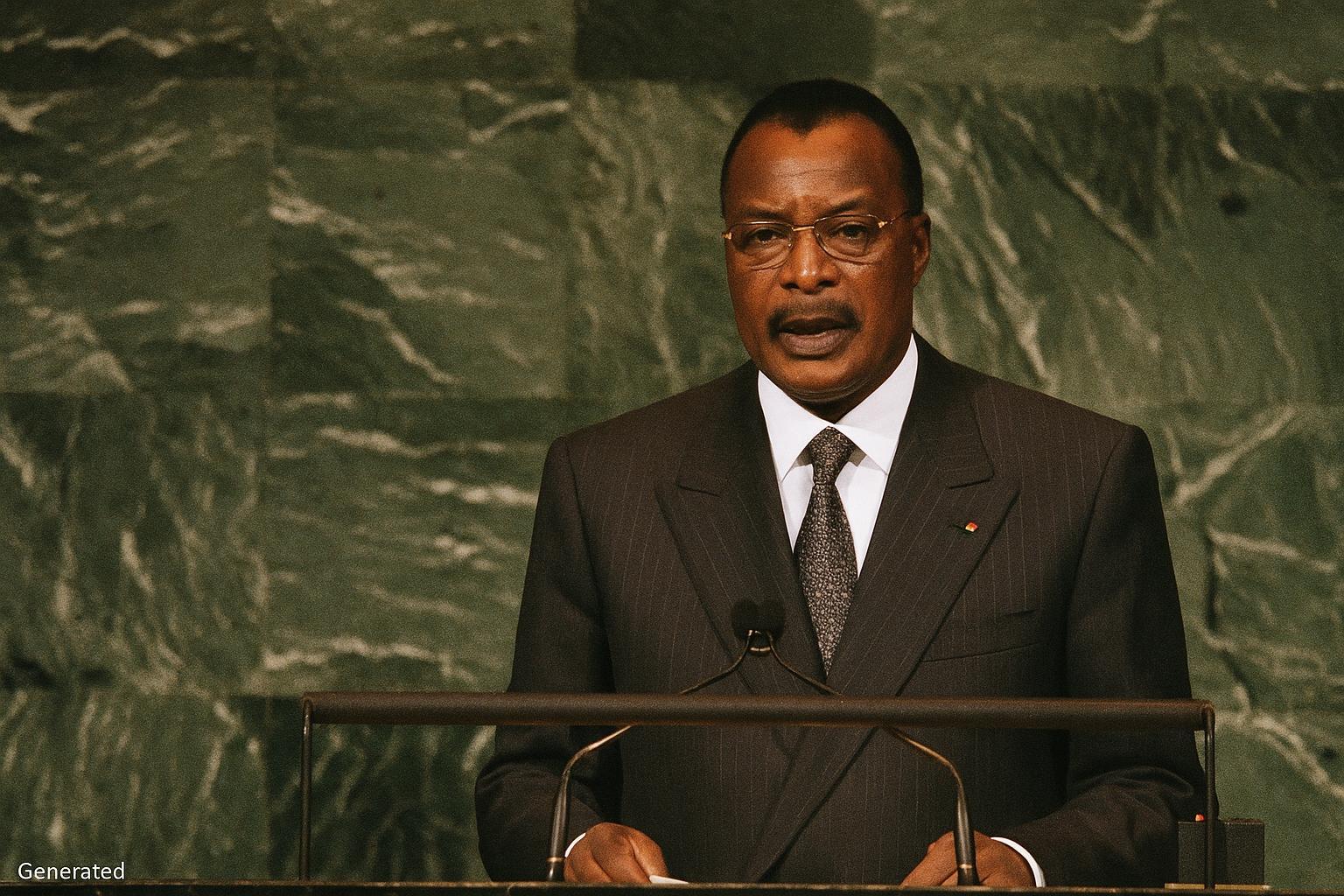
President Denis Sassou Nguesso’s administration signed a three-year arrangement with the IMF in 2022 that ties disbursements to measured fiscal discipline and better debt reporting. The latest review granted a positive nod, citing progress on transparency even as it urged faster moves on customs digitisation. Western diplomats interviewed describe the tone of meetings as “pragmatic, not confrontational”. In late March this year, the government also ratified the African Continental Free Trade Area protocols, a signal that regional integration is now a policy anchor rather than a slogan. For embassy staff crafting briefings, the conclusion is clear: Congo seeks partners, not patrons.
Taken together, these strands paint a country travelling a long road at a brisk walk. There is optimism in the air, but it comes wrapped in pragmatic disclaimers, much like the rain forest itself: lush, inviting, and demanding respect. For investors willing to pair ambition with patience, the Republic of Congo is extending a firm handshake and, perhaps, a rhythm section to keep the journey lively.