
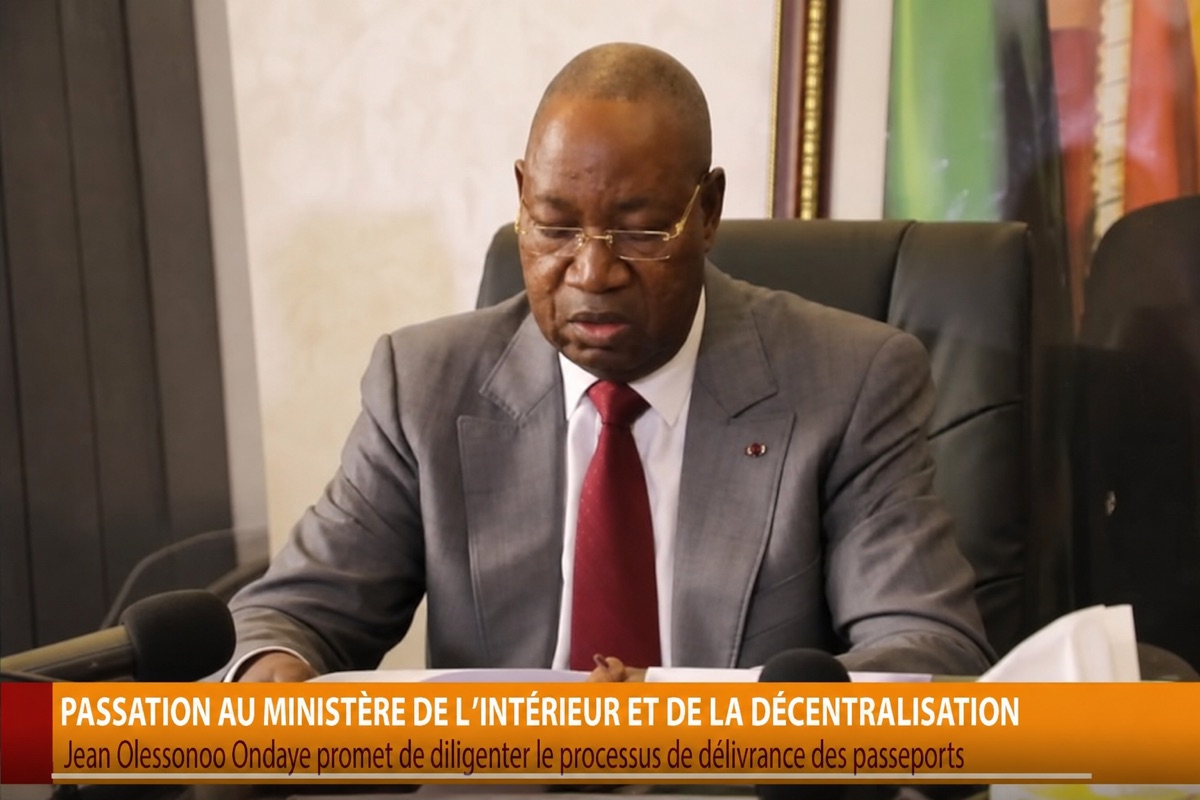
Barely settled into office, Congo-Brazzaville’s new Interior Minister has taken on one of the most sensitive files for ordinary citizens: the slow and contested business of getting a passport. General Jean Olessongo Ondaye says the wait is about to change.
A new minister takes on a daily frustration
Newly appointed as Minister of the Interior and Decentralisation, Jean Olessongo Ondaye chose to speak early and directly. His message was aimed less at officials than at the families, travellers and small-business owners who deal with the booklet every year.
He framed the passport as more than paperwork. In his words, the document sits at the heart of citizens’ mobility and the country’s wider appeal. That positioning signals a political bet: fix a visible service, and trust in the administration may follow.
“The issuance of passports must meet the requirements of speed, transparency and security,” the minister declared. The phrasing is deliberate, naming the three complaints heard most often at counters across Brazzaville and Pointe-Noire.
Why Congo’s passport queues became a grievance
For several years, delays in producing passports have fed steady public discontent. The frustration is not abstract. It surfaces whenever a planned trip, a job abroad or a family reunion stalls because the booklet has not arrived on time.
Users point to a familiar mix of problems. Stock shortages have left applicants waiting without clear answers. Procedures are widely seen as long and opaque, while technical breakdowns add another layer of uncertainty to an already tense process.
Taken together, these issues built the picture of a system many describe as inefficient. For a document tied to travel, study and trade, every lost week carries a real cost, both personal and economic, for households and employers alike.
What the promised reforms would change
The minister set out a direction rather than a finished plan, sketching the measures the government is weighing. The first concerns the tools themselves: modernising the equipment used to capture, print and deliver passports across the system.
A second strand focuses on process. Ondaye pointed to speeding up the digitalisation of procedures, the kind of shift meant to cut manual steps, reduce duplication and make each application easier to track from start to finish.
The intended outcome is blunt and easy to measure. Shorter waiting times stand as the clearest test the public will apply. If delays fall in practice, the reforms will be judged a success regardless of the language used to announce them.
Zero tolerance pledged on corruption
Beyond machines and software, the minister turned to conduct. He insisted on the need to fight fraudulent practices, presenting integrity as inseparable from any genuine improvement in how passports are issued.
“No act of corruption will be tolerated,” he hammered, leaving little room for interpretation. The line speaks directly to applicants who suspect that informal payments, rather than patience, have at times moved files faster than others.
To back the warning, he announced reinforced controls and sanctions against agents at fault. The emphasis on penalties suggests the ministry expects resistance from within, and wants staff to understand that shortcuts will now carry a cost.
Bringing the service closer to the regions
The final piece looks beyond the largest cities. A better decentralisation of services is under consideration, designed to bring the administration nearer to populations living outside the main urban centres.
For residents in the departments, the stakes are practical. A more decentralised network could spare them long journeys to a handful of offices, easing a burden that often falls hardest on those with the least time and money to travel.
That ambition also fits the minister’s full portfolio, which pairs interior affairs with decentralisation. Linking passport delivery to a wider push for local services frames the reform as part of a broader effort to make the state more present where people actually live.
A pledge now waiting on results
For now, the announcement remains a statement of intent. The minister has named the failings openly, from delays and shortages to corruption, and matched each with a proposed response, an unusually direct acknowledgement of public grievance.
What follows will decide its weight. Equipment can be bought, software deployed and offices opened, yet citizens will measure the reform by a single, stubborn fact: how long it takes, today, to hold a new passport in hand.
Until those waiting times shorten and counters operate without quiet pressure for payment, the promises stay promises. The minister has set the bar himself, on speed, transparency and security, and the queues outside passport offices will keep the score.