
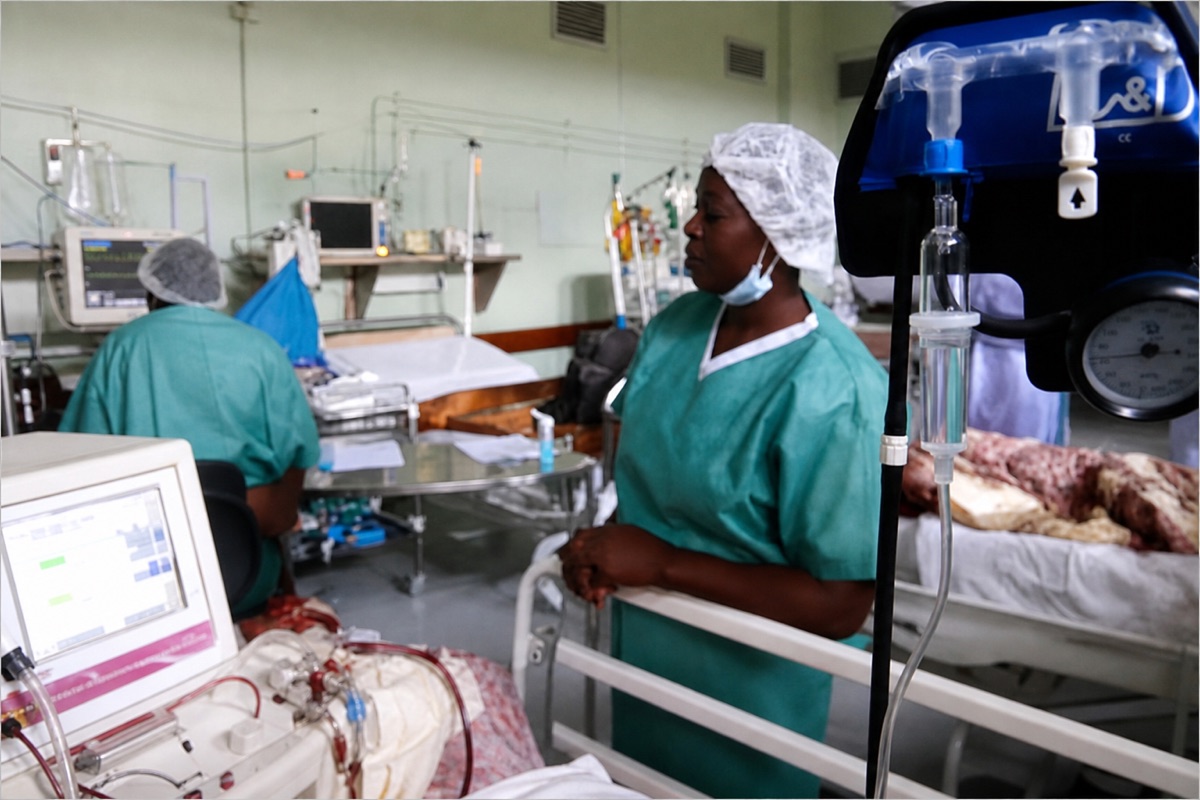
A Health System Under Strain
In the Republic of Congo, the numbers paint a sober picture. Fewer than half of the population enjoys effective access to medical care, according to the World Health Organization. The shortfall touches every region, every income bracket, every age group across the country.
The strain runs deeper than overall figures suggest. Among young people the picture grows sharper still. Nearly 70 percent reportedly cannot reach quality medical care, according to the Universal Health Insurance Fund, known by its French acronym CAMU.
That gap matters for a nation whose median age skews young. When the generation meant to drive future growth struggles to see a qualified doctor, the consequences ripple far beyond the clinic walls, reaching schools, workplaces and households alike.
Why Money Sits at the Heart of the Problem
Behind the access gap lies a financing puzzle that is structural rather than accidental. Congo-Brazzaville devotes roughly 4 percent of its gross domestic product to health. That sits below the 5 percent threshold the World Health Organization recommends for member states.
The arithmetic leaves little room for resilience. A single percentage point may sound modest, yet across a national budget it translates into clinics that go unbuilt, posts that stay vacant and medicines that arrive late or not at all.
Households feel the squeeze most directly. More than 40 percent of health spending in the country comes straight out of families’ own pockets, according to the World Bank. That so-called out-of-pocket burden pushes many citizens toward serious financial risk.
For a working family, an unexpected illness can mean choosing between treatment and the monthly essentials. Such direct exposure helps explain why so many people delay care until conditions worsen, raising costs for everyone in the long run.
The CAMU and Private Clinics Sign a Common Pledge
Against this backdrop, a fresh attempt at coordination took shape in the capital. On 24 April 2026 in Brazzaville, the CAMU and several private health structures signed an ethics charter intended to lift standards and rebuild trust between the two sectors.
The document was championed by Felix Mouko, the fund’s director general. His office framed the charter as a way to improve the quality of care while strengthening cooperation between public institutions and private providers operating side by side.
That public-private bridge is the heart of the plan. Private clinics have long filled gaps left by an overstretched public network. The charter seeks to bring both under shared rules rather than leaving patients to navigate an uneven, fragmented landscape on their own.
What the Charter Promises Insured Patients
The agreement sets out concrete intentions for the people it is meant to serve. It provides for better handling of insured members, the patients whose contributions flow through the universal scheme that the CAMU was created to oversee and expand.
Two groups receive particular attention in the text. The charter places a special emphasis on students and on vulnerable people, the very populations that earlier figures suggest are most likely to fall through the existing cracks in coverage.
Focusing on students dovetails with the alarming youth statistic cited by the fund itself. By naming this group explicitly, the signatories signal that closing the generational health gap ranks among the charter’s stated priorities going forward.
A Committee to Keep the Commitments Honest
Promises on paper mean little without follow-through, a lesson the sector knows well. To guard against that risk, the parties established a committee of six members tasked with monitoring respect for the commitments laid out in the charter.
That oversight body gives the pledge a mechanism rather than mere goodwill. A standing committee can flag lapses, document disputes and hold both public and private signatories to the standards they have just agreed to uphold together.
The Road Still Ahead
The charter does not, on its own, rewrite the financing realities that shape Congolese healthcare. Spending still trails the recommended threshold, and households still shoulder a heavy share of the bill that the new pledge does not directly erase.
Yet the signing marks a deliberate step toward shared responsibility. By binding public and private actors to common ethics, and by naming students and vulnerable citizens as priorities, the CAMU has set markers against which progress can later be measured.
Whether the committee can turn ink into outcomes remains the open question. For the families weighing treatment against the grocery bill, the value of this charter will be judged not in Brazzaville’s conference rooms but in the waiting rooms of clinics nationwide.