
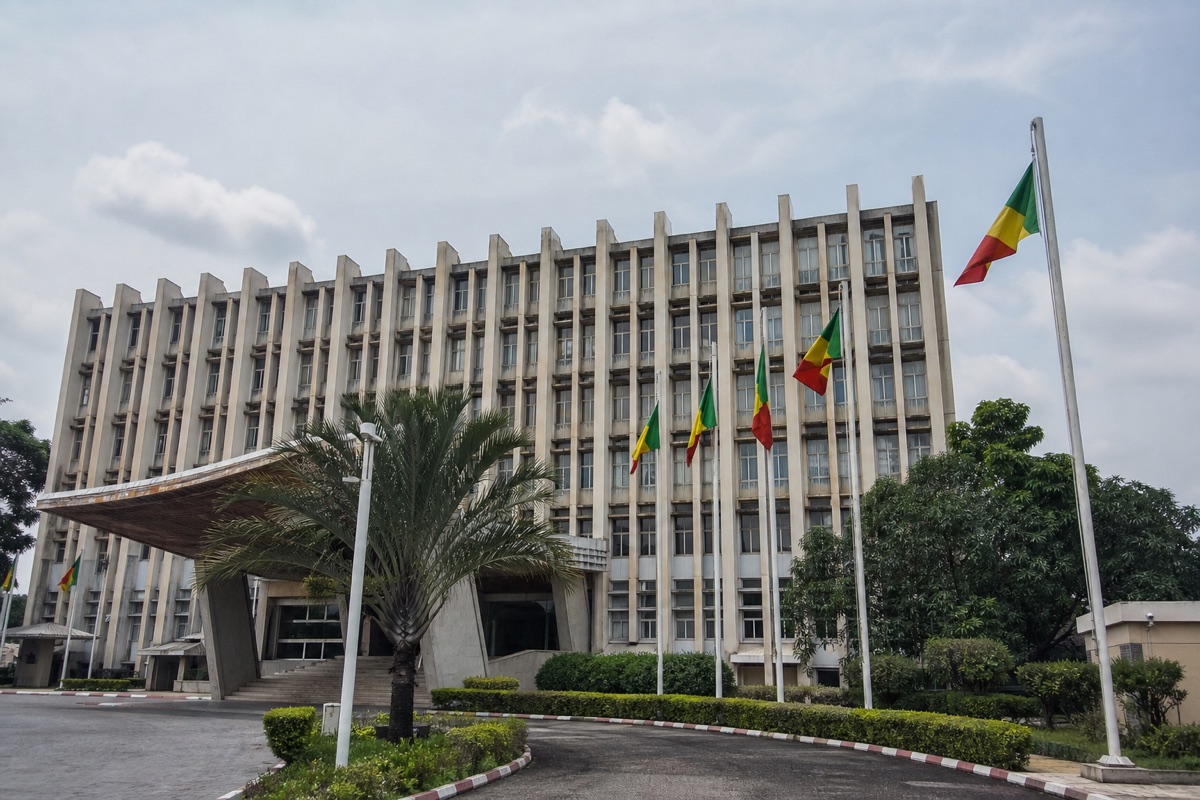
In Brazzaville, a freshly sworn-in cabinet is wasting little time. The ministers serving under Prime Minister Anatole Collinet Makosso have stepped into office with a roadmap that promises change, even as Congo-Brazzaville’s economy still feels far from steady.
A Reshuffled Team Inherits High Expectations
The new line-up emerged from the latest reshuffle led by President Denis Sassou-Nguesso. Its members took up their posts officially, carrying an ambitious agenda that blends political continuity with a clear appetite for reform. The tone, from the outset, leans firmly toward transformation.
For a country where government changes often arrive with familiar faces, the framing this time stresses delivery over announcements. Ministers have signalled that their early weeks will be measured less by speeches and more by the priorities they choose to defend first.
Economic Diversification Tops the Roadmap
At the centre of it all sits the economy. Finance Minister Christian Yoka and Economy Minister Ludovic Ngatsé want to speed up diversification, easing the country’s long reliance on oil. Their thinking rests on better use of domestic resources and tighter budget discipline.
Both men describe an environment designed to draw investment rather than scare it off. That means a more predictable fiscal stance and stronger internal revenue mobilisation, two themes that have shadowed Congolese budgets for years. The challenge, as ever, lies in turning intention into measurable results.
The backdrop is not forgiving. Congo-Brazzaville continues to navigate a fragile economic moment, and the ministers’ optimism will be tested against constraints that no single roadmap can erase overnight. Their credibility may hinge on early, visible wins.
Health and Education Move to the Front
On the social side, Health Minister Jean-Rosaire Ibara is putting weight behind wider access to care and stronger health infrastructure. For families in Brazzaville, Pointe-Noire and the departments, that pledge touches daily life in ways economic statistics rarely capture.
Education sits close behind. The authorities say they intend to modernise curricula and tighten the link between training and what the job market actually needs. It is a familiar ambition across the region, yet one that resonates with the country’s large population of young people aged 18 to 35.
Whether reform reaches classrooms and clinics, rather than staying on paper, will shape how citizens judge this government. The social file, in many ways, is where promises become most personal and most scrutinised.
Energy Strategy Looks Beyond Crude
Hydrocarbons remain a defining sector. Minister Bruno Jean-Richard Itoua is steering a strategy meant to optimise production while pushing for more local transformation of resources. The idea is to keep value inside the country instead of exporting it raw and importing it back refined.
That ambition aligns with the wider diversification message, since a more processed energy sector could feed jobs and revenue beyond extraction alone. It also reflects a continental conversation about adding value locally, a debate echoing across Central Africa and the CEMAC bloc.
Environment and Diplomacy Round Out the Vision
Environment Minister Arlette Soudan-Nonault frames her brief around balance, pairing economic development with protection of the Congo Basin’s ecosystems. Given the basin’s global importance for carbon storage, her position carries weight well beyond national borders and into international climate talks.
Diplomacy completes the picture. Denis-Christel Sassou N’Guesso, minister for international cooperation, says he wants to deepen the country’s strategic partnerships and pull in foreign investment. His portfolio ties directly back to the economic file, since outside capital underpins much of the diversification plan.
The diplomatic push suggests the government sees its domestic and external agendas as inseparable. Reform at home, in this reading, depends partly on confidence abroad, and on Congo-Brazzaville presenting a coherent, investment-friendly face to partners.
What the First Weeks Will Reveal
Taken together, the priorities sketch a government keen to project momentum across economy, health, education, energy, environment and diplomacy. The breadth is striking, though breadth can also dilute focus when resources are tight and the fiscal room is narrow.
For now, the ministers have set the bar with their own words. Observers in Brazzaville and across the diaspora will watch closely to see which pledges translate into action, and which slip into the long catalogue of well-meaning roadmaps. The early months should offer the first real answers.
What is clear is that the Makosso II team has chosen ambition over caution in its messaging. The harder task, converting that ambition into change citizens can feel, now begins in earnest, under conditions that leave little margin for delay.