
A Waterway Under Pressure in the Capital
In Brazzaville, protecting the urban environment has moved up the list of pressing concerns. The trigger is a habit that keeps spreading across neighbourhoods: the careless dumping of household rubbish and bulky waste into local catchment areas.
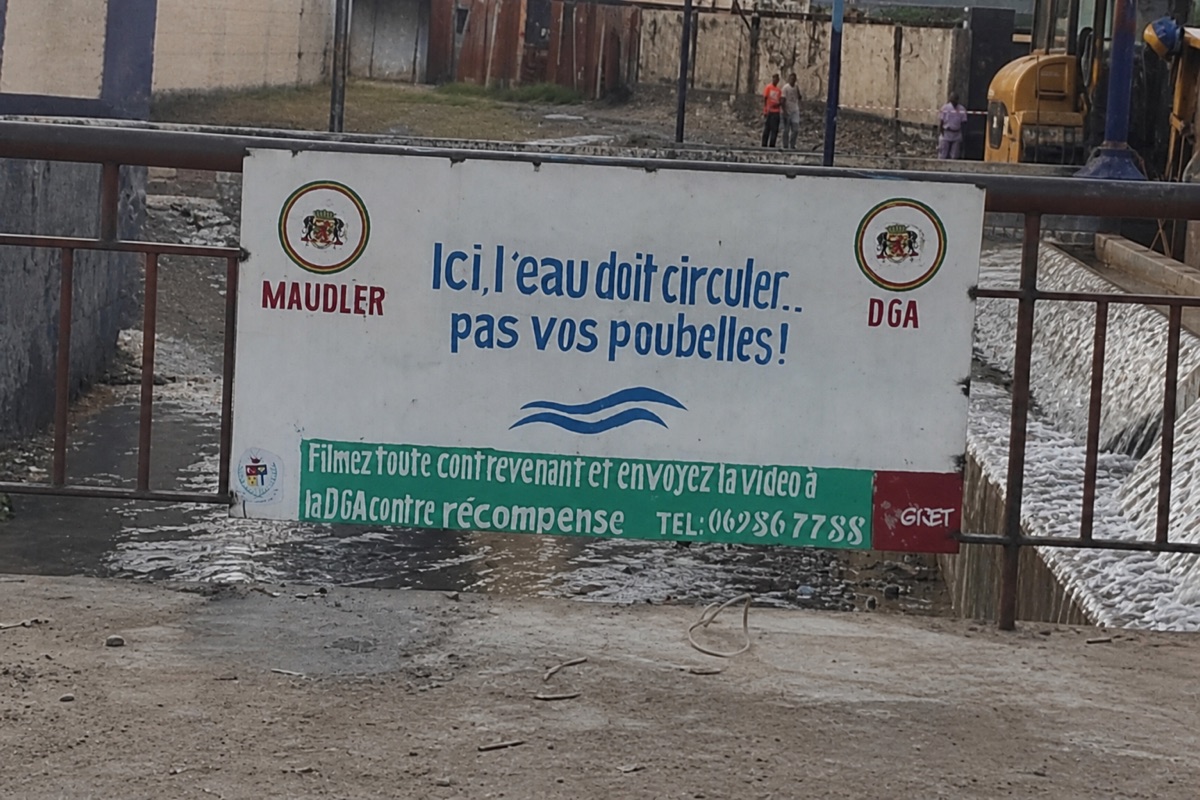
The Madoukou Tsekele waterway sits at the centre of this worry. Once a natural drainage channel for rainwater, it has become a receptacle for everything residents no longer want, from kitchen scraps to discarded furniture and broken appliances.
That shift may look harmless from a doorstep. Seen across a whole basin, it tells a different story, one of clogged channels, rising water and streets that turn into shallow rivers after each heavy downpour over the city.
Why The Sanitation Authority Is Sounding The Alarm
Aware of how urgent the situation has become, the Direction generale de l’assainissement (DGA) has launched a broad campaign to promote environmental responsibility among residents of the Congolese capital, Congo-Brazzaville.
The goal is plainly stated. The authority wants to end behaviour that endangers the ecological balance of the basin and worsens the risk of flooding in several districts of the city. It frames the message around civic duty rather than punishment.
That choice of tone matters. By appealing to a shared sense of ownership, the DGA hopes households will see the waterway as common property, not as someone else’s problem to manage downstream when the rains finally arrive.
How Blocked Channels Turn Rain Into Floods
The mechanics are easy to follow. Waste packed into gutters and catchment areas stops rainwater from draining the way it should. The water has nowhere to go, so it backs up, spills over and spreads into places never meant to hold it.
The consequences are familiar to many families. Roads become impassable, slowing the daily commute and cutting off whole streets. Homes are invaded by water that ruins floors, furniture and stored goods, leaving residents to clean up and start again after every season.
These are not rare events. The authority describes flooding as recurrent, a pattern that returns with the rains rather than a one-off accident. That repetition is part of what makes the situation so costly for ordinary households across affected districts.
A Public Health Risk Hiding In Standing Water
The damage does not stop at walls and roads. The DGA stresses that this is also a matter of public health, because the water left behind does not simply disappear once the rain has passed and the streets begin to dry out.
Stagnant water becomes a breeding ground. Pools that linger in yards, gutters and low-lying plots offer ideal conditions for mosquitoes to multiply, raising the risk that disease will spread through neighbourhoods already coping with damaged homes.
Seen this way, the waterway issue is not only about comfort or property. It touches the basic well-being of families, linking the rubbish thrown into a channel today with the fevers and infections that may follow weeks later in the same community.
What Residents Are Being Asked To Do
Faced with this reality, the authorities are calling for a collective awakening rather than relying on enforcement alone. The campaign rests on a simple idea: every resident can help, and small daily choices add up across a crowded city.
The requested gestures are modest. Throwing waste in the appropriate places, avoiding wild dumping in channels and open ground, and encouraging family, friends and neighbours to do the same form the core of what the DGA is asking from each household.
There is a quiet logic behind that approach. A waterway recovers only when most people stop using it as a bin. No single clean-up can hold if rubbish returns the next day, which is why the message leans so heavily on habit and example.
A Test Of Civic Habits For Brazzaville
The Madoukou Tsekele campaign reads as a test of how a fast-growing capital handles shared spaces. The waterway is small, yet it concentrates larger questions about responsibility, drainage and the price of letting bad habits settle in.
For now, the DGA has chosen persuasion over sanction, betting that residents will respond once the link between dumping and flooding is clear. The coming rainy seasons will show whether that bet pays off in fewer ruined homes and drier streets (Les Echos du Congo-Brazzaville).