
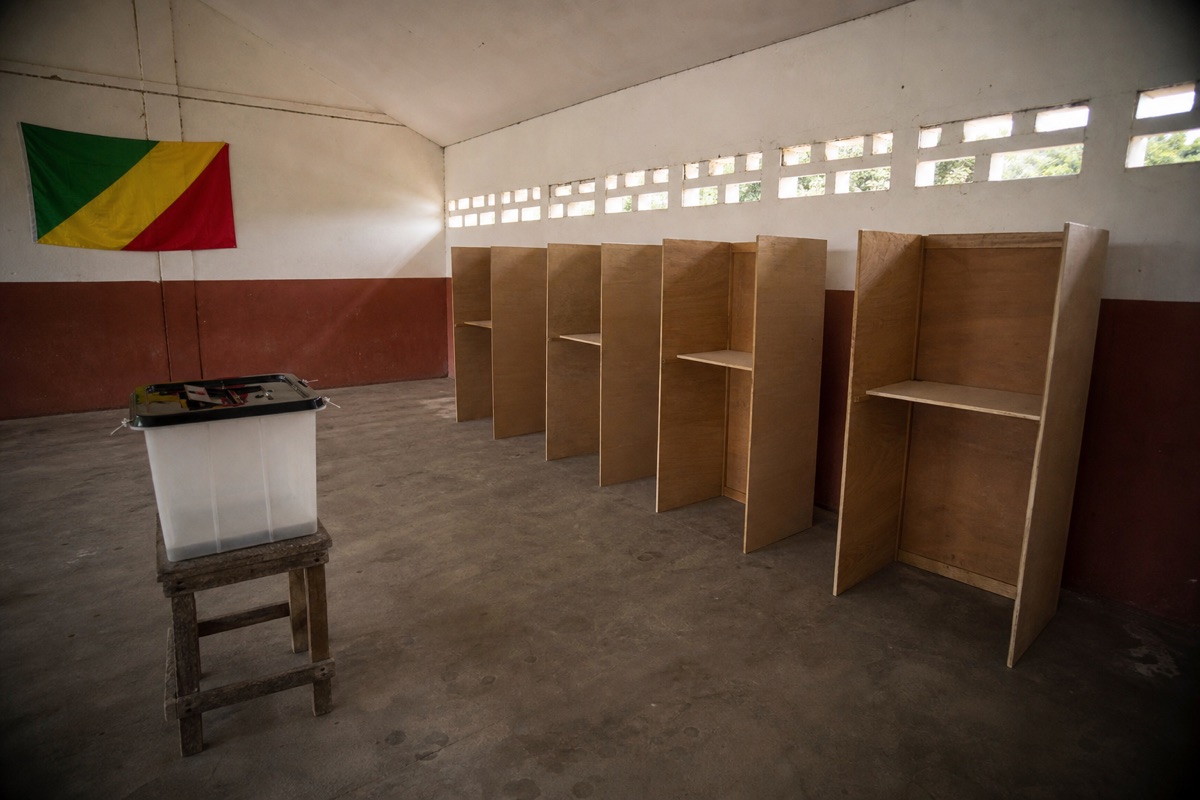
A Nation at the Polls On Sunday, March 15, 2026, Congolese voters across the Republic of Congo headed to the polls to choose their head of state. The contest pitted incumbent president Denis Sassou Nguesso, aged 82, against six other candidates in a closely watched ballot.
How Many Voters Were Registered for March 15 Official figures placed the electorate at close to 2,600,000 registered voters for the presidential ballot. That tally sat near the 2021 register, when roughly 2,645,283 voters were enrolled. Turnout that year reached almost 67 percent of the electoral body.
The stability of the figure offered a useful benchmark. With the rolls barely shifting in five years, observers had a clear yardstick against which to read participation once the count began and the first numbers from the departments started flowing in.
Where the Ballots Were Cast Across the Country Authorities set up 6,620 polling stations nationwide to receive civilian voters on March 15. The network stretched from Brazzaville and Pointe-Noire to the more remote departments, reflecting the logistical reach required to serve an electorate spread across a vast and unevenly populated territory.
Three days earlier, on March 12, members of the armed forces and security services voted in advance at their own dedicated stations. The practice is a routine one. It lets serving personnel cast a ballot without compromising active duty during a sensitive electoral period.
Denis Sassou Nguesso and the Quest for a Fifth Term The incumbent sought a fifth mandate. Sassou Nguesso has held power for close to four decades, with one interruption during the 1990s. That longevity makes him one of the continent’s most enduring leaders and a defining figure in the country’s modern political story.
His record draws sharply divided reactions. Supporters point to continuity and his familiarity with the levers of the state. Critics raise questions about the health of the democratic process after so long a tenure, framing the vote as a test of the system’s openness.
That tension shaped much of the conversation around the ballot. For some voters, the election was a moment of stability in a region accustomed to turbulence. For others, it underlined how concentrated and durable executive authority had become over the years.
Six Challengers and a Thin Opposition Field Six additional candidates were registered on the roster validated by the Constitutional Court. On paper, that lineup suggested a competitive race. In practice, the picture was more muted, with several opposition parties choosing to step back from the contest.
A number of those parties boycotted the vote outright, while others remained barely visible on the campaign trail. Their absence narrowed the field of genuine alternatives and fed concerns about how credible and representative the eventual outcome would be.
For analysts, the limited opposition presence was the central question mark hanging over the ballot. A presidential election draws much of its legitimacy from a contest that voters perceive as real, and the thin field complicated that perception from the outset.
Reading the Vote in a Regional Context The Republic of Congo, often called Congo-Brazzaville to distinguish it from its larger neighbor, occupies a strategic place in Central Africa. Its political rhythms carry weight within the CEMAC zone, where stability and oil revenues remain tightly intertwined concerns for the wider region.
Against that backdrop, the March 15 vote was about more than a single mandate. It touched on questions of governance, continuity and the room left for political competition in a country where one figure has dominated public life for a generation.
What the Numbers Will and Will Not Reveal The registration figure, the polling-station count and the advance military vote together sketched the mechanics of the ballot. They describe scale and organization rather than sentiment, and the meaning of the day rested on how many of those 2.6 million chose to take part.
Turnout, once tallied, would become the most telling indicator. A figure near the 2021 mark would signal a steady civic habit, while a sharp drop would lend weight to the doubts voiced over the boycott and the absence of strong challengers from the race.
For now, the essentials are clear. Close to 2.6 million registered voters, 6,620 polling stations, an 82-year-old incumbent seeking a fifth term, and six rivals facing a contest shadowed by an opposition that, in large part, declined to compete (Journal de Brazza).