
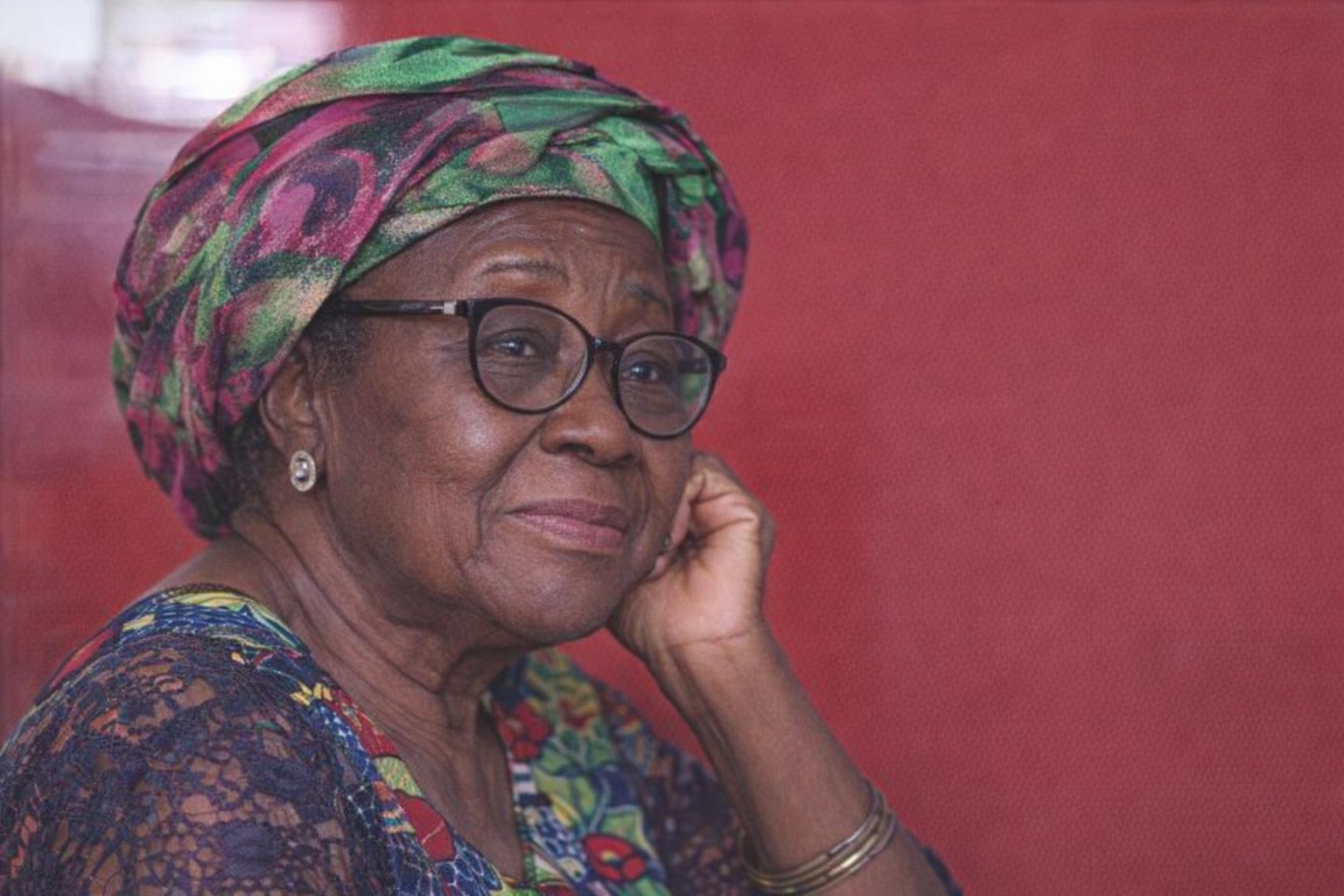
Brazzaville funeral draws PCT leaders
Martine Ikaka Mpela, a member of the PCT’s honorary committee created after the party’s 6th ordinary congress, died on Jan. 12 in Brazzaville at the age of 83. She was laid to rest on Jan. 30 at the city-center cemetery.
In line with its traditions, the Congolese Labour Party (PCT) held a final tribute at its federal headquarters. The ceremony was attended by the party’s secretary-general, Pierre Moussa, alongside militants, relatives and invited guests.
Denis Sassou Nguesso era: A party figure remembered
Within the political landscape shaped under President Denis Sassou Nguesso, party veterans often become reference points for continuity and organization. Martine Ikaka Mpela was remembered in that spirit, as a disciplined cadre whose public service followed a long path through education, youth activism and women’s organizations.
Speakers described her life as a combination of teaching and civic commitment. The tribute also highlighted the role played by women inside party structures and social movements, and the way personal careers can intersect with national institutions over several decades.
From Poto-Poto schools to teacher training
Born on March 8, 1943, in Brazzaville, Martine Ikaka Mpela studied from 1951 to 1960 at the Girls’ Home Economics School in Poto-Poto. She also attended the Girls’ School in Libreville, Gabon, before returning to Poto-Poto to complete primary studies.
In 1960, she passed the entrance exam for the Collège normal des jeunes filles in Mouyondzi. There, she trained for the teaching profession, a track that many families viewed as a pillar of social progress, especially for girls seeking stable careers.
A remembered voice in Congo’s women’s movement
During the funeral oration, Antoinette Kebi, a member of the PCT political bureau, presented Martine Ikaka Mpela as one of the emblematic figures of the Congolese feminist movement. She credited her with combining professional rigor with the courage of political engagement.
“History will retain testimonies that the late departed was a teacher trained in a good school and a courageous, highly committed politician,” Antoinette Kebi said. She added that teaching shaped values of discipline, duty, responsibility and a taste for work well done.
Youth activism and early leadership in Likouala
Martine Ikaka Mpela was active in the Union of Congolese Socialist Youth, where she was elected to the organization’s Central Committee in 1977. She was later appointed permanent secretary at the regional office in Likouala, a post that placed her close to grassroots mobilization.
After joining the PCT, she also worked within the Union révolutionnaire des femmes du Congo (URFC) as a member of the Central Council. Her trajectory reflected a time when youth and women’s organizations were major schools for political training.
URFC responsibilities: culture, arts and rural women
In 1979, she entered the URFC’s permanent bureau as secretary in charge of culture, arts, sports and leisure. She held that role until 1982, according to the tribute. The portfolio connected social life, civic education and community activities, fields that often shape everyday cohesion.
In 1986, she was elected secretary in charge of rural women. That responsibility was presented as consistent with her long-standing focus on women’s emancipation across different settings, including areas where access to services and representation can be challenging.
Municipal service in Brazzaville and women’s organizations
Beyond party structures, Martine Ikaka Mpela also served the city administration. She was a former secretary for economic and social affairs at the Moungali district town hall, and she became a municipal councilor for the city of Brazzaville in 1988.
At the 2013 founding congress of the Organisation des femmes du Congo, she was elected to the Central Council and became vice-president of the control and evaluation commission. Her supporters described these roles as part of a steady commitment to accountability.
PCT leadership roles and national recognition
Her political profile grew over time. She joined the PCT political bureau after the party’s 5th ordinary congress, and later became part of the honorary committee established by the 6th ordinary congress. For many militants, these positions signaled trust built over years of service.
She was also honored by the state. In 1984, she was raised to the rank of Officer in the Congolese Order of Merit, awarded in the normal capacity. Relatives said the distinction reflected a life of work, responsibility and public dedication.
Family farewell and a legacy framed as service
Martine Ikaka Mpela was the mother of seven children. In Brazzaville, mourners spoke of a demanding life that balanced family responsibilities with public roles, often in institutions where schedules and duties leave little room for personal comfort.
Antoinette Kebi said her death was “an inestimable loss” for her family, for the PCT, and for the Republic of Congo, which she said Martine Ikaka Mpela served with “self-denial and loyalty.” The ceremony closed with prayers and final condolences.