
Government vows uninterrupted HIV care
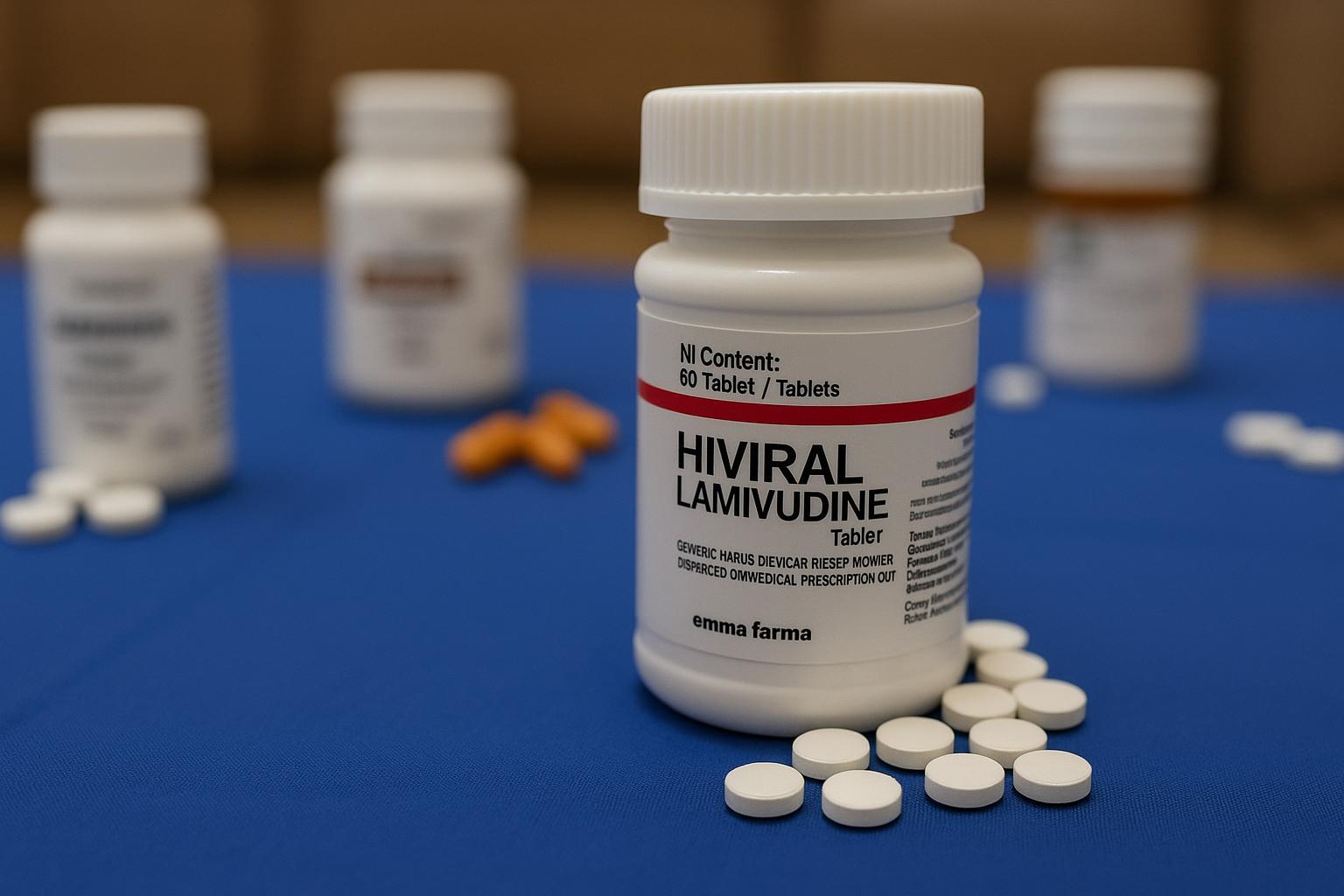
On World AIDS Day in Brazzaville, Health and Population Minister Professor Jean Rosaire Ibara delivered a clear promise: no person living with HIV in the Republic of Congo will ever again face a treatment shortage, no matter their province or income.
He acknowledged past logistical gaps but insisted the supply chain is now being overhauled from warehouse to clinic, with weekly dashboards tracking stocks and fast lanes at river and road checkpoints to speed antiretroviral deliveries even during heavy rains.
Strategic stocks and patient-centred care
The minister outlined three pillars guiding the renewed offensive. First comes the securing of strategic inputs, with twelve-month forecasting and diversified suppliers designed to shield local pharmacies from global hiccups that previously left shelves empty and patients anxious.
The second pillar focuses on stronger, more resilient models of care that integrate HIV services into primary health structures, allowing a mother in Makoua or a driver in Dolisie to collect antiretrovirals during the same visit used for childhood vaccines or blood-pressure checks.
Lastly, the plan confronts stigma head-on. Workshops with youth groups, transport unions and traditional chiefs will challenge the myths that still surround HIV, because, as Professor Ibara reminded the audience, discrimination remains the most stubborn barrier between diagnosis and healthy, productive living.
Month-long mass testing campaign
December opens with a nationwide screening drive running until New Year’s Eve. Mobile tents, river barges and workplace clinics will offer confidential tests from first light to sunset, while social networks stream live tutorials showing exactly how a finger-prick test is read.
Health officials target workers in mines, timber concessions and informal markets, groups statistically less likely to attend fixed facilities. By moving testing closer to the hustle of daily life, planners hope to reach many of the undiagnosed 22,000 estimated to live with the virus.
Influencers and faith leaders join the push
The strategy leans heavily on trusted community voices. Deputies, pastors, imams and musicians have already recorded short pledges projected on city billboards and rural cinema nights, each urging viewers to know their status and support neighbours regardless of results.
Civil-society networks will coordinate after-test follow-up, pairing newly diagnosed individuals with trained peers who can explain next steps and reduce dropouts. Similar mentoring lowered default rates in pilot districts last year, a success now scaled at national level.
Digital dashboards to track every vial
With support from UNAIDS, the ministry is expanding its e-LOG system, a cloud platform that traces each consignment of antiretrovirals from port to patient. Real-time alerts will flag impending shortages, letting regional managers trigger emergency transfers before shelves empty.
Patients, meanwhile, will be able to verify appointment dates and laboratory results via an SMS code, reducing transport costs linked to unnecessary journeys. The feature is already active in Ouesso and will progressively cover every district hospital by mid-2025.
Squeezing more value from each CFA franc
Professor Ibara stressed prudent spending, noting that every saved franc means more test kits and counselling sessions. Procurement teams are opening competitive tenders earlier and bundling orders with neighbouring CEMAC states to negotiate lower unit prices without compromising quality standards.
The ministry also plans a quarterly public report summarising expenditures and stock levels. Transparency, officials argue, builds public trust and encourages private firms to top up resources through corporate social responsibility budgets.
Marching toward the 95-95-95 horizon
Achieving the global 95-95-95 benchmarks by 2030 will require testing about 95 percent of people living with HIV, treating the same share of those diagnosed and driving viral suppression in 95 percent of treated clients. Current national coverage rates remain below that threshold.
Officials, however, are confident that the new integrated model, combined with community mobilisation and digital oversight, can accelerate progress. “Surmounting disruptions is not enough; we must transform our response,” the minister told journalists, echoing this year’s World AIDS Day theme.
A collective ambition for a generation without AIDS
From cabinet members to grassroots volunteers, the call is for complete national synergy. Speakers at the Brazzaville ceremony urged each citizen to get tested, adhere to therapy if positive and reject stigma wherever it surfaces, building what they described as “a protective social firewall”.
While international partners will continue to support the programme, the government emphasises domestic leadership, framing the fight against HIV as part of wider ambitions to strengthen Congo’s health sovereignty and secure a healthier, more prosperous future for all households.
Regional health directors are already adjusting annual work plans. In Bouenza, for instance, school nurses will integrate HIV prevention modules into routine hygiene lessons, while in Cuvette, agricultural cooperatives will host evening sensitisation talks after harvest, ensuring messages circulate beyond urban centres.
Success will also depend on continued scientific innovation. The ministry confirmed that pilots of long-acting injectable antiretrovirals are under discussion with global manufacturers, a step that could eventually reduce monthly pill burdens and further cut the risk of supply interruptions.