
Brazzaville workshop signals health overhaul
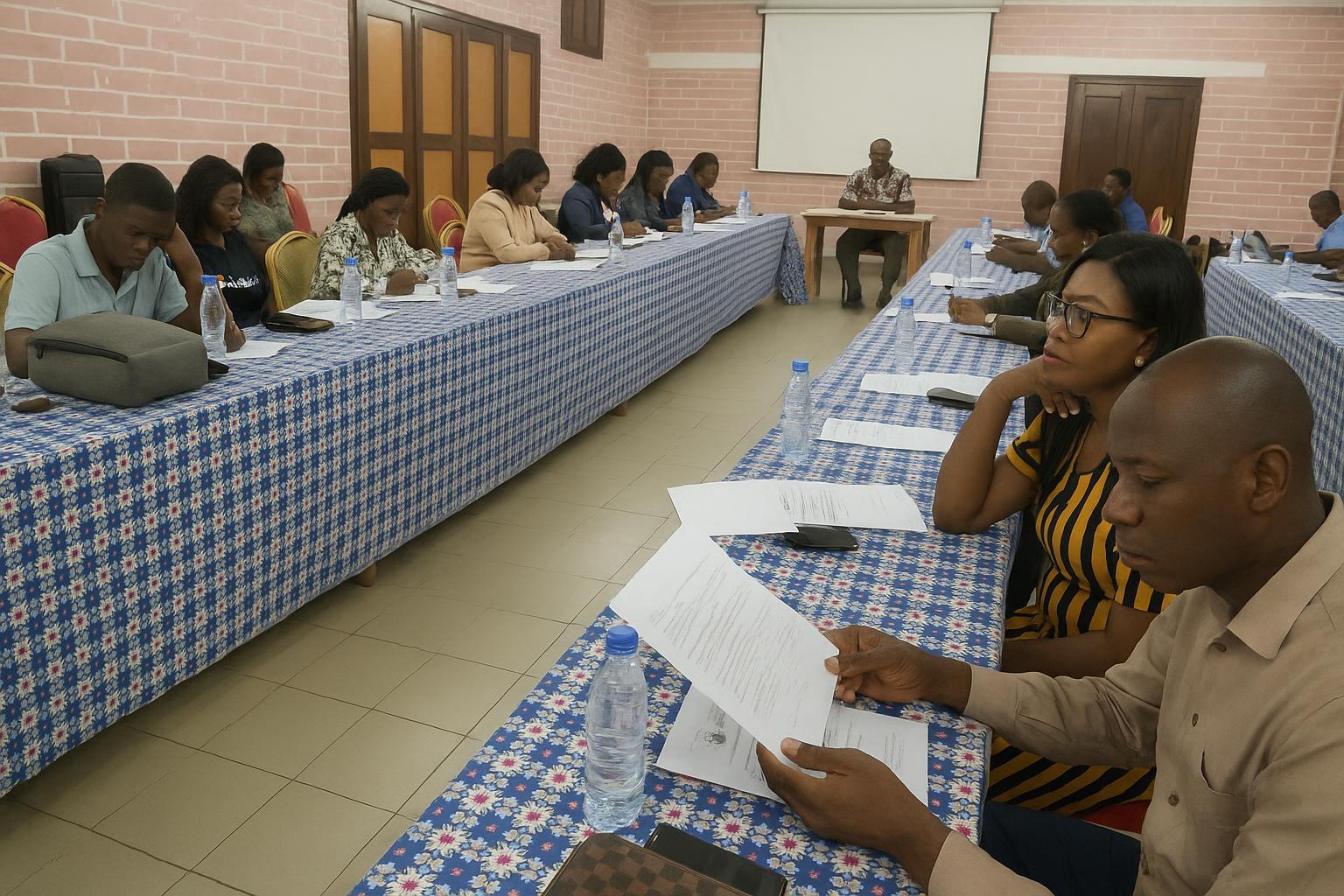
Health workers, community leaders and technical partners filled the conference room of a Brazzaville health district office on 27 November as the Congolese Observatory for Consumer Rights, better known by its French acronym OC2D, unveiled a draft national Patient Charter.
The workshop marked a cornerstone in an ongoing project that aims to renovate twelve Health Committee boards attached to Brazzaville’s main sanitary districts, an effort designed to strengthen local governance, amplify citizen participation and dramatically reduce complaints at Integrated Health Centres.
Why a patient charter matters
Over the next months, OC2D and its partners plan to identify and coach existing committees, convene general assemblies to align them with Decree 2020-553, and train members on accountability basics, including transparent budget displays and the handling of feedback registers.
Similar awareness drives have already reached Pointe-Noire, Dolisie, Djambala and Ouesso, but bringing the discussion to the capital gives the campaign a symbolic and logistical boost, says OC2D president René Ngouala, who described Brazzaville as “the megaphone of national health policies” during the opening remarks.
His assessment echoes findings of the 2018 national health review, which highlighted low community engagement and poor dissemination of regulatory texts as two of the biggest hurdles faced by the Republic of Congo’s primary-care network.
By popularising the Patient Charter, OC2D hopes to turn those weaknesses into opportunities, establishing clear rights and duties for both patients and staff, and installing a culture where concerns are voiced early rather than simmering into mistrust.
Drafted in April 2023 by the Ministry of Health with support from civil-society groups and development agencies, the charter sets out principles such as informed consent, confidentiality, respectful treatment and equitable access, while reminding users of obligations like providing accurate information and respecting appointment schedules.
Rebuilding local health committees
Although charters exist in several African nations, implementation often stalls at the hospital gate; OC2D is therefore investing in user-friendly posters, local radio slots and social-media explainers that translate legal language into Lingala, Kituba and French plain speech.
For frontline professionals like Arvyne Mbadi, head of health actions in M’Filou district, these materials could lighten the workload: “When patients know what to expect, consultations move faster and frustrations drop,” she told our newsroom after the session.
Health-care economist Marc Iloki notes that patient charters have improved trust scores in Ghana and Rwanda, adding that the Congolese initiative “aligns with continental trends toward rights-based service delivery championed by the African Union’s Agenda 2063”.
Beyond policy language, the project tackles day-to-day governance by reopening suggestion boxes, updating grievance logs and ensuring committees meet quarterly with district medical officers, where minutes are now required to be posted on noticeboards.
Financing Congo’s patient-centred shift
Funding comes from a pooled grant administered by the French Development Agency and a consortium of local banks, amounting to 280 million CFA francs for the 2023-2024 cycle, according to internal budget sheets shared during the workshop.
Participants were quick to stress that money alone will not fix bottlenecks; several nurses pointed to intermittent drug supplies and staff shortages that lie outside committee control but still shape public perception.
In response, Brazzaville health-district chief Dr Jean-Paul Massamba said procurement reforms are underway to accelerate deliveries through the National Essential Medicines Agency, a move he believes will “allow charter principles to translate into actual service improvements.”
Monitoring impact and maintaining momentum
OC2D expects every Brazzaville committee to complete alignment sessions by February, after which an external audit will sample patient experiences across twenty randomly selected facilities, measuring progress against 12 indicators ranging from waiting times to satisfaction with information provided.
Early lessons will feed into a national dashboard scheduled for mid-2024, giving health authorities, parliamentarians and donors a shared view of front-line realities just as the government prepares its next National Health Development Plan.
For many citizens, however, the impact may be felt in smaller gestures—the nurse who explains a prescription, the orderly who calls patients by name. If the charter helps make such moments routine, advocates say, confidence in Congo’s health system could rise steadily.
Community safeguards and digital tools
Experts caution that community health structures dating back to the Bamako Initiative of 1987 often lose momentum once donor projects close. OC2D says it is negotiating a memorandum with the Ministry of Interior so that neighbourhood chiefs can legally summon committee members who miss mandatory meetings.
Digitalisation may offer another safeguard. A pilot mobile application, developed by two graduates of Marien-Ngouabi University, will enable patients to rate cleanliness, courtesy and waiting times in real time. Aggregate scores will then be displayed on each facility’s noticeboard alongside quarterly committee reports.
OC2D intends to publish an annual ‘State of Patient Rights’ review every April, coinciding with World Health Day. The goal, Ngouala says, is to keep momentum high, celebrate success stories and remind all actors—from porters to policymakers—that quality care begins with mutual respect.