
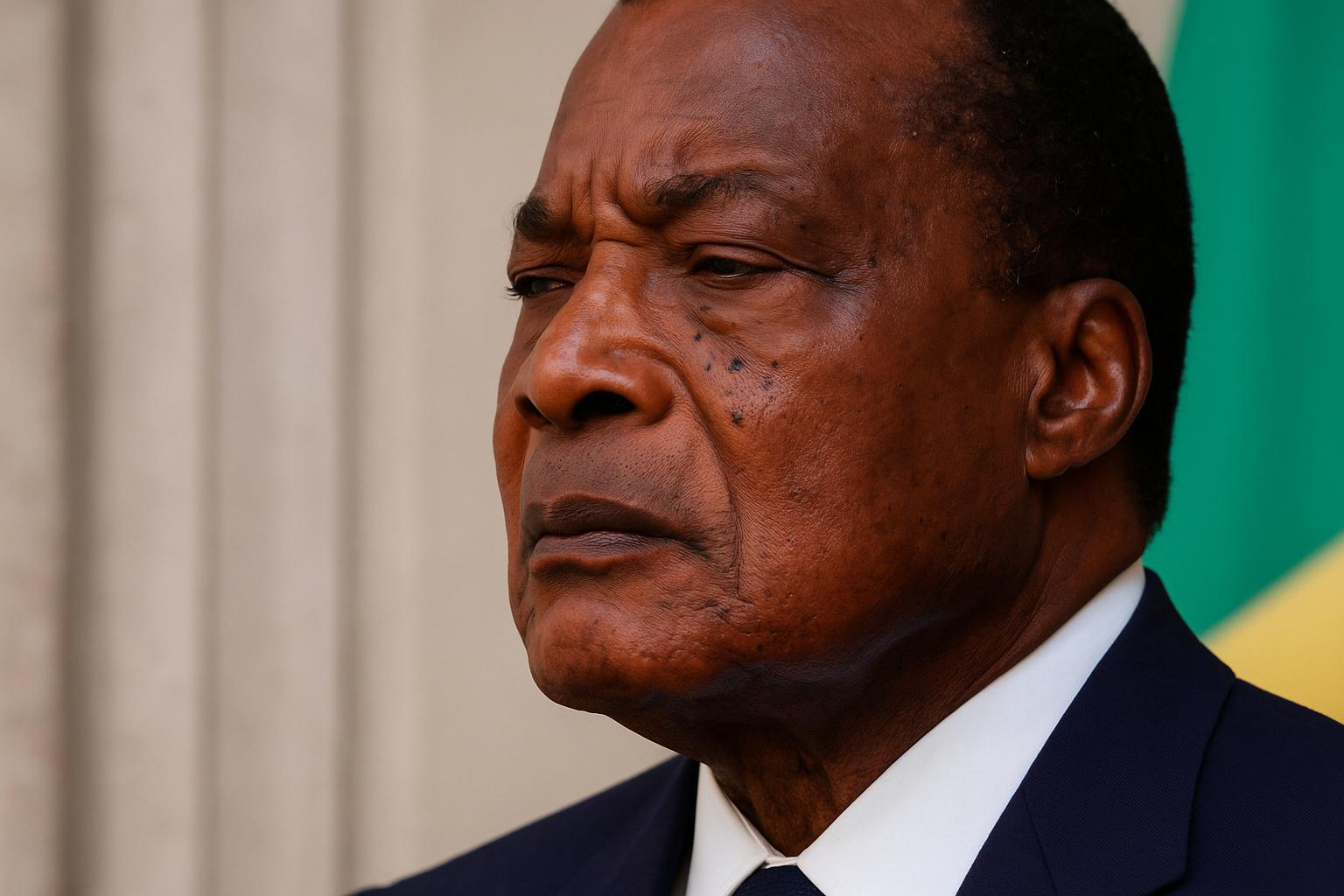
Presidential Pledge to Restore Calm
When President Denis Sassou Nguesso addressed the nation in early August, his tone was resolute. He vowed “an unyielding fight” against the so-called bébés noirs, youthful gangs blamed for a rise in street assaults across Brazzaville and Pointe-Noire.
Speaking from the newly renovated presidential palace, he promised that security units under the Republican Guard would “track them to the last alley”, a phrase that instantly traveled through local radio call-in shows and crowded WhatsApp groups.
Who Are the ‘Bébés Noirs’?
The term bébés noirs literally means “black babies” and emerged in Brazzaville slang nearly a decade ago. Residents use it to describe loosely organized teens, often dressed in dark clothes, who roam markets and bus stops looking for easy targets.
Police files suggest most suspects are between 14 and 22 years old, with a mix of dropouts and under-employed youth from densely populated arrondissements such as Moungali and Makélékélé. However, no central hierarchy has been confirmed.
Victims often recount similar scenes: a sudden rush, machetes flashed more for intimidation than bloodshed, phones and purses snatched within seconds. The speed of the attacks has fed a perception of omnipresence even though official statistics remain limited.
Two Months of Sweeps: First Indicators
In the two months since presidential security units joined regular police, checkpoints multiplied at key intersections and night patrols became routine near taxi ranks. Dozens of young men were briefly detained for identity verification, authorities said.
Interior Ministry spokesperson Jules Kokou confirmed that “visible crime has dropped” in central Brazzaville, though he declined to share specific numbers because investigations are continuing. Opposition parties have largely supported the drive, calling public safety a shared priority.
On the ground, vendors at Total Market told our Pointe-Noire bureau that early morning deliveries feel less tense. “I used to keep a stick under the stall,” fishmonger Mireille Aboulou admitted. “Since the patrols started, I have not needed it.”
Yet some parents in Talangaï caution that arrests must respect legal procedures to avoid resentment among youths already distrustful of authority. Several community leaders propose pairing the security push with sports evenings and apprenticeships during the upcoming holiday break.
Residents Share Mixed Feelings
Calls and voice notes to our newsroom mirror this dual sentiment. One listener praised the “decisive response that our children needed to see”. Another urged the state to “fight poverty with the same energy we fight crime”.
Sociologist Antoine Samba believes the operation’s communication strategy matters as much as patrols. “If youth only see uniforms, they may hide. If they also hear music gigs in the neighborhood sponsored by City Hall, they might join legal activities,” he argued.
Brazzaville City Council announced a pilot program to refurbish three playgrounds in Ouenzé using confiscated metal from seized knives. While still symbolic, the gesture underlines a broader willingness to convert security gains into social dividends.
Experts Suggest Holistic Prevention
Criminologist Roland Ndinga, speaking on national television, stressed that rapid interventions succeed when combined with data. He advocated mapping hotspots each week to redeploy patrols swiftly rather than maintaining static checkpoints that can be bypassed.
Jobs remain the longer-term variable. The latest Afrobarometer survey in Central Africa lists unemployment as the top worry among urban Congolese under 30. Economists interviewed suggest leveraging the oil-service sector’s maintenance contracts to open technical internships for at-risk youth.
Religious groups are also rallying. The Archdiocese of Brazzaville plans evening prayer walks in coordination with police, while Protestant youth unions schedule clean-up days to reclaim unlit lots seen as hiding places. Authority figures praise these initiatives as complementary.
Staying Safe: Practical Tips for Commuters
Security services repeat basic advice for commuters travelling before dawn or after 21:00. Use lit avenues, share taxi plates with relatives and avoid displaying phones near bus windows. Operators of the new Talba ride-hailing app now feature an emergency chat.
Meteorologists remind residents that the short rainy season, due in October, often coincides with earlier nightfall. Streetlights in some quarters may flicker during storms, making the timing of the anti-gang campaign particularly relevant.
Transport unions say they are working with town halls to post laminated maps of safe disembarkation points for minibuses. The measure, modest yet visible, aims to cut the last unsupervised metres between curb and home where most petty thefts occur.
Outlook for the End of Year
Authorities indicate the operation will continue at least until December, when holiday travel traditionally swells urban crowds. By then the government hopes to translate the current policing momentum into a stable routine backed by community programs and job pathways.
For now, the mood mixes relief and vigilance. Every quiet night in Diata or Tié-Tié is celebrated on neighborhood group chats, yet nobody claims victory. As one caller summed up, “Peace will be real the day our little brothers choose careers, not knives”.