
Campus strike hits third week
At midday in central Brazzaville the usually busy avenues leading to Marien-Ngouabi University echo only passing taxis. The nation’s flagship campus has been without teaching staff for three weeks after lecturers launched a strike to demand settlement of at least five months of unpaid salaries.
The stoppage, which began on 17 November, has left some 45,000 students in limbo, closed amphitheatres across the city and reopened the debate over financing public higher education in the oil-rich Republic of Congo without destabilising the national budget.
Empty lecture halls in December heat
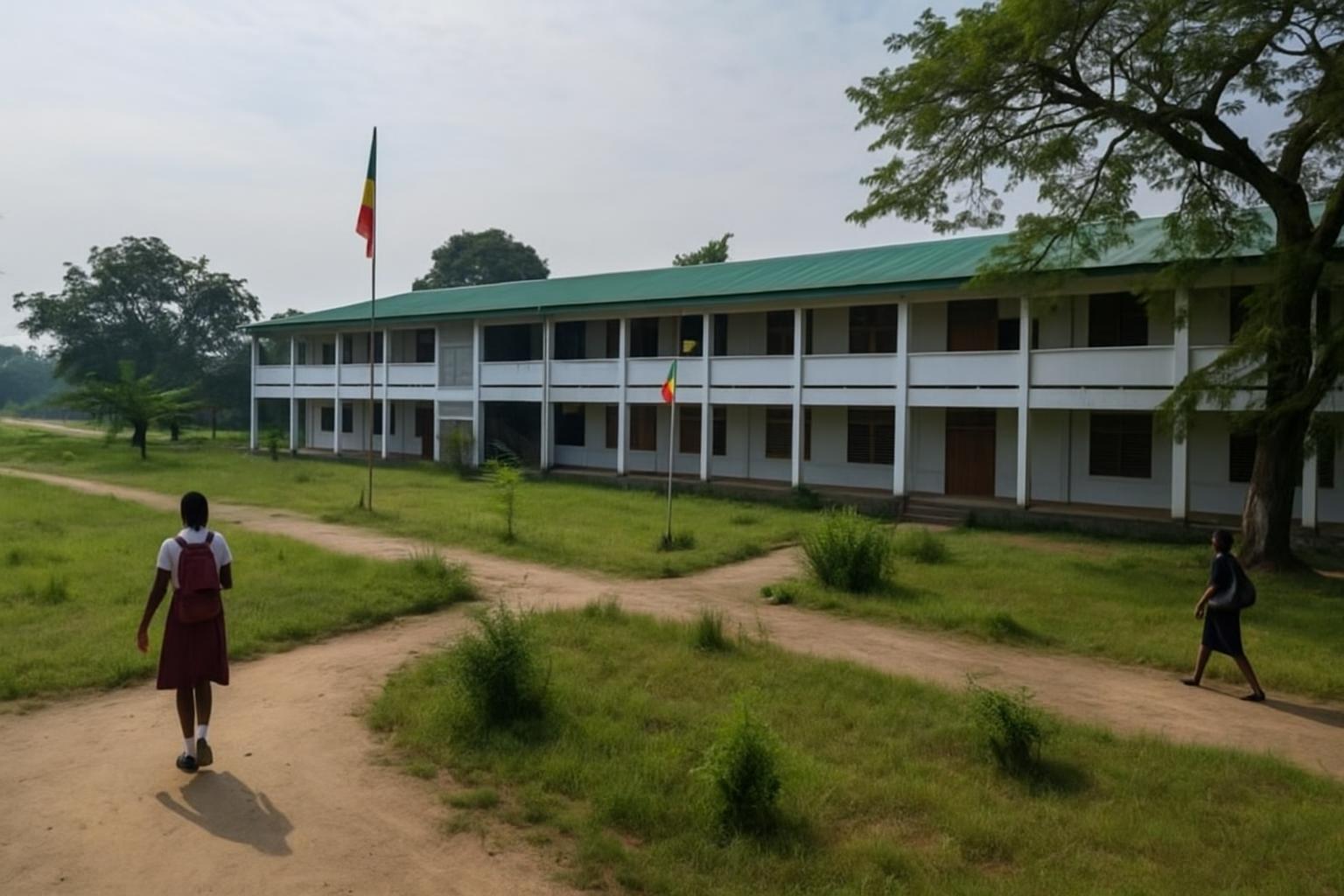
On Monday afternoon the heat pressed against the shuttered windows of the École Normale Supérieure, a faculty normally crowded with trainee teachers. Hallways were deserted, benches overturned for shade. Security guards confirmed that no class had met since the strike vote by the Association of Higher-Education Staff.
“We rarely miss lectures, so the silence feels surreal,” said Grâce, a third-year science student who had walked from Talangaï only to find the gates locked. “I respect our lecturers, but I struggle to accept that an oil-producing country cannot settle their pay on schedule.”
Students voice growing frustration
Away from campus, small groups of undergraduates huddled under mango trees, scrolling phones for updates. First-year law student Exode Mabiala admitted frustration is rising. “Strikes never bring good for us learners,” he said. “Government should review its salary policy so we can return to class quickly.”
Several peers echoed that view but asked not to be named. They feared a prolonged shutdown could delay internships, scholarships or graduation timelines, potentially increasing living costs for families already adjusting to higher transport and food prices. Some whispered about shifting to private institutes if lessons remained frozen.
Five-month arrears spark action
According to union organisers, lecturers at Marien-Ngouabi are owed at least five months of wages, including research allowances. The figure dates back to mid-2023, when payroll delays first appeared. Leaders say the stoppage will continue until a binding calendar for full settlement and regular payments is published.
“Our demand is simple: respect of the contract,” one senior chemistry professor told this newspaper by telephone. He stressed that staff kept teaching throughout earlier delays but had exhausted savings. “Libraries need books, laboratories need reagents, households need groceries. We cannot finance classes out of personal pockets.”
Dialogue channels remain open
In previous disputes, the Ministry of Higher Education has convened tripartite talks with the Ministry of Finance and the union to map out instalment plans. While no new meeting date had been announced by press time, officials close to the dossier said informal contacts were continuing.
A senior administrative source, requesting anonymity because he is not authorised to speak publicly, insisted that government “understands the urgency”. He pointed to efforts to modernise the payroll database, realign budget lines after the recent supplementary finance law and safeguard academic calendars in partnership with faculty deans.
Fiscal balance and education funding
Analysts note that the Republic of Congo has improved revenue collection since 2022 but still faces competing priorities, from road rehabilitation to electricity upgrades. Economists argue that reliable university salaries form part of human-capital investment that, in turn, could help diversify the economy away from oil dependence.
Local economy feels the pinch
Around the bustling Marché Total, textbook vendors reported slower sales as students stayed home. Street-food sellers who rely on lunchtime crowds near the campus estimated takings had fallen by a third. Taxi drivers said morning rush-hour runs to Plateau des Quinze Ans had all but disappeared.
Parent association representative Jean-Robert Boussouka said families worry about extra accommodation fees if the academic year extends. “Many households already tighten belts to keep children in Brazzaville,” he explained. “Every lost week means additional rent, water, electricity and internet.” He urged all parties to accelerate negotiations.
Digital learning offers limited relief
Some students tried forming WhatsApp study circles to review past lectures, but patchy connectivity and the lack of institutional e-learning platforms limited impact. Library materials remain largely physical, and many syllabuses require lab work that cannot be replaced by online slideshows, lecturers reminded.
Timetable for potential reopening
University insiders hinted that if a provisional payment tranche were released this month, lecturers could reconvene general assemblies before Christmas to vote on suspension. That would allow mid-year examinations to begin in January and minimise calendar slippage. However, no formal pledge has yet been issued.
For now, Brazzaville’s flagship university waits under the midday sun, its lecture halls locked yet its community hopeful. “We need study, they need salaries, the country needs both,” student Grâce summed up. “Let’s sit at one table and finish this story.” Until then, the silence lingers.