
Historic Expansion Confirmed by CAF
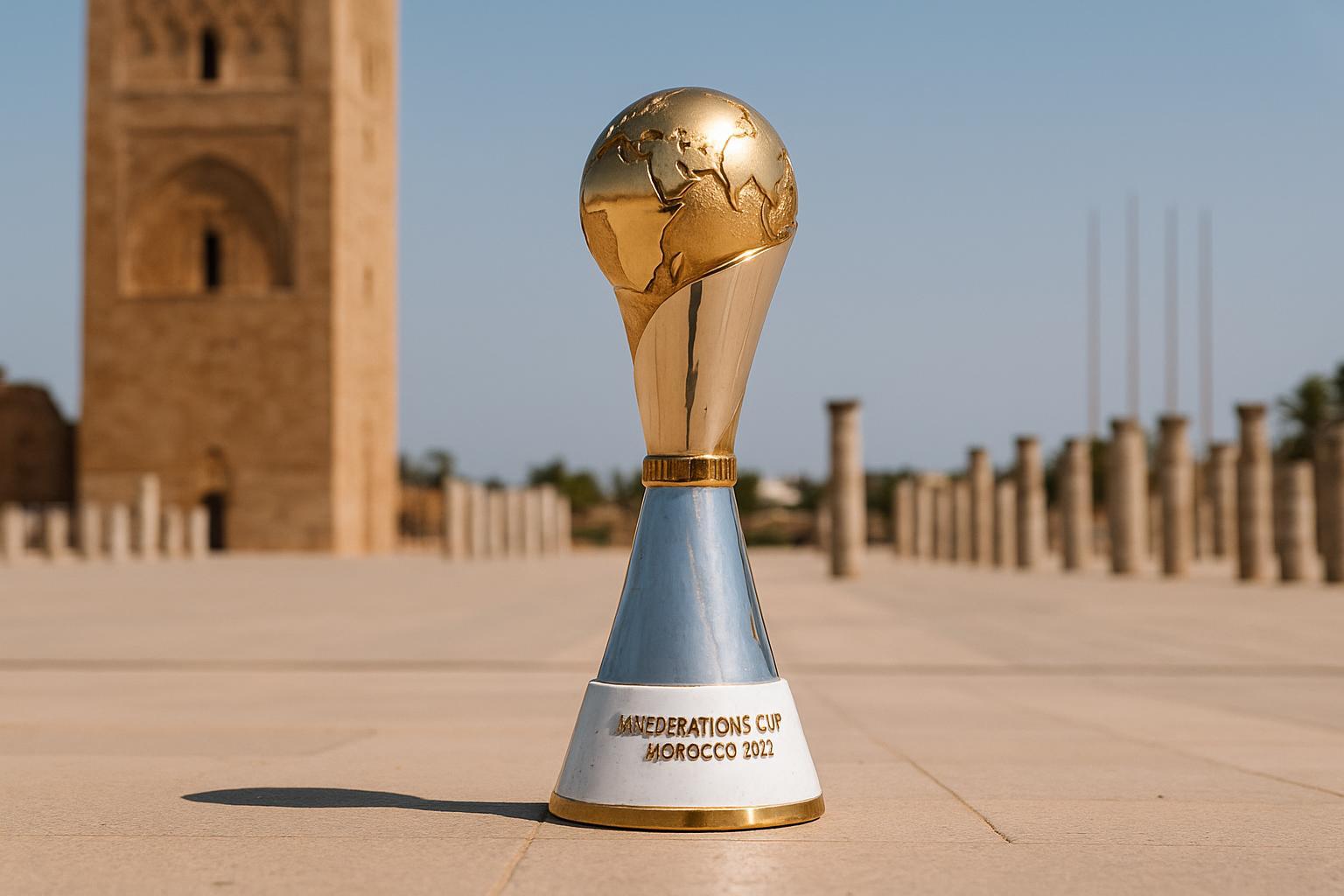
The Confederation of African Football has officially lifted the Women’s Africa Cup of Nations from 12 to 16 teams, describing the change as “a milestone for inclusivity and performance” in its latest communiqué. The adjustment takes effect at the next edition, scheduled in Morocco from 17 March to 3 April 2026.
CAF President Patrice Motsepe underlined that the new format aims at “accelerating competitive balance and commercial appeal across the continent” while keeping organisational costs under control. Observers note that the timing aligns with the global surge of viewership for women’s football, highlighted by record audiences during the 2023 World Cup.
How the 16 Spots Were Allocated
Morocco qualifies automatically as host. Eleven other nations booked tickets through the qualifying rounds that concluded on 28 October: Nigeria, South Africa, Algeria, Zambia, Ghana, Senegal, Burkina Faso, Kenya, Tanzania, Malawi and Cape Verde, each negotiating two-leg ties under intense regional interest.
To complete the grid, CAF turned to the FIFA Women’s Ranking, selecting the four highest-placed squads among the qualifying casualties. Cameroon, Côte d’Ivoire, Mali and Egypt, ranked 66th, 71st, 79th and 95th worldwide, earned a second life. The governing body argues the criteria reward long-term consistency and avoid arbitrary invites.
Morocco 2026: Dates, Venues, Expectations
The 13th Women’s AFCON will unfold in the modern stadiums of Casablanca, Rabat, Marrakech and Agadir, facilities already praised during the men’s competitions. Tournament organisers in Rabat say renovation work on auxiliary pitches begins next quarter to guarantee top-class training conditions for all 16 delegations.
Local tourism boards anticipate a surge of visitors thanks to the March-April window, which sits outside the busiest summer flow. Analysts predict television rights will surpass the 2022 record, buoyed by an expanded match schedule of 31 games instead of 24, translating to richer content for broadcasters and sponsors.
Implications for World Cup Qualifying
CAF confirmed that the four semi-finalists in Morocco will qualify directly for the FIFA Women’s World Cup Brazil 2027. Two additional African sides could still reach the global showpiece through intercontinental play-offs, mirroring the pathway that sent Senegal to the 2023 men’s edition.
For powerhouses like Nigeria’s Super Falcons or South Africa’s Banyana Banyana, the bigger field offers more knockout scenarios but also fresh rivals hungry for an upset. “We won’t take anything for granted,” Nigerian forward Asisat Oshoala told Lagos reporters, adding that scouting lesser-known teams is now a strategic priority.
Central African Viewpoint and Grassroots Impact
While Congo-Brazzaville did not reach the qualifying stage this cycle, coaches from the Red Devils féminines see a motivational ripple effect. “A 16-team format means our pathway is clearer than ever,” believes national coach Jean-Guy Mpassi, who is expanding regional detection tours to segments previously untapped.
Local academies in Brazzaville and Pointe-Noire already register higher enrolment, aided by the Ministry of Sports’ promise of new synthetic pitches under the national recovery plan. Economists at the CEMAC Business School estimate that each additional national team at the finals can mobilise up to 1.5 million USD in domestic sponsorship deals over a two-year cycle.
Expert Voices on Growing Women’s Football
FIFA development officer Meskerem Tadesse praises CAF’s decision as “a pragmatic step that aligns investment with talent depth.” She highlights that 40 African women’s national teams competed in the latest qualifiers, up from 26 in 2018, illustrating the continent’s rapid growth trajectory.
Sports sociologist Aurelie Oppong explains that visibility matters as much as prize money. “When teenage players see 16 African flags on a single stage, the dream becomes reachable,” she notes. Oppong adds that broadcasters must balance storytelling to ensure emerging nations receive on-air exposure alongside established giants.
Competitive Balance and Format Details
The revamped tournament will feature four groups of four. The top two in each pool progress to quarter-finals, followed by semi-finals, a play-off for third and the final. CAF’s competitions director Samson Adamu clarifies that scheduling will allow at least 72 hours’ rest between matches, addressing previous player welfare concerns.
Prize money figures will be announced after the next Executive Committee meeting, yet insiders suggest a purse higher than the 2.4 million USD shared in 2022. Corporate partners TotalEnergies and Visa have publicly welcomed the expansion, hinting at bonus incentives for fair play and fan engagement initiatives.
Economic Upside for Host Nation
Moroccan authorities forecast direct economic returns of around 90 million USD through hospitality, transport and merchandising. The Ministry of Tourism is crafting packages that combine match tickets with excursions to heritage sites like the medinas of Fès and Chefchaouen, banking on football to stimulate cultural exchange.
The Royal Moroccan Football Federation also plans community outreach programs in collaboration with CAF, including coaching clinics for girls in rural provinces. Similar schemes before the 2022 edition produced a 25 percent rise in school-age girls’ participation in organised sport, data from the Casablanca Sports Observatory show.
Looking Ahead
With qualification now closed, the 16 teams will embark on friendly windows to fine-tune tactics. CAF is encouraging regional unions to stage mini-tournaments to maintain momentum. Early discussions hint at a Central African Women’s Cup in 2025, potentially hosted by Congo-Brazzaville, though details remain preliminary.
Players, supporters and administrators agree that the upcoming cycle offers Africa an unmatched chance to deepen the roots of women’s football. As Cameroon midfielder Ajara Nchout summarized on social media, “Sixteen teams mean sixteen stories. The continent is ready to tell them all.”