
Strike ultimatum gains momentum
On Friday 6 October, staff representatives at Brazzaville’s flagship public university signalled they are ready to lay down their pens and keyboards. The inter-union college declared that lessons, labs and administrative services will halt unless a satisfactory response reaches them before the deadline.
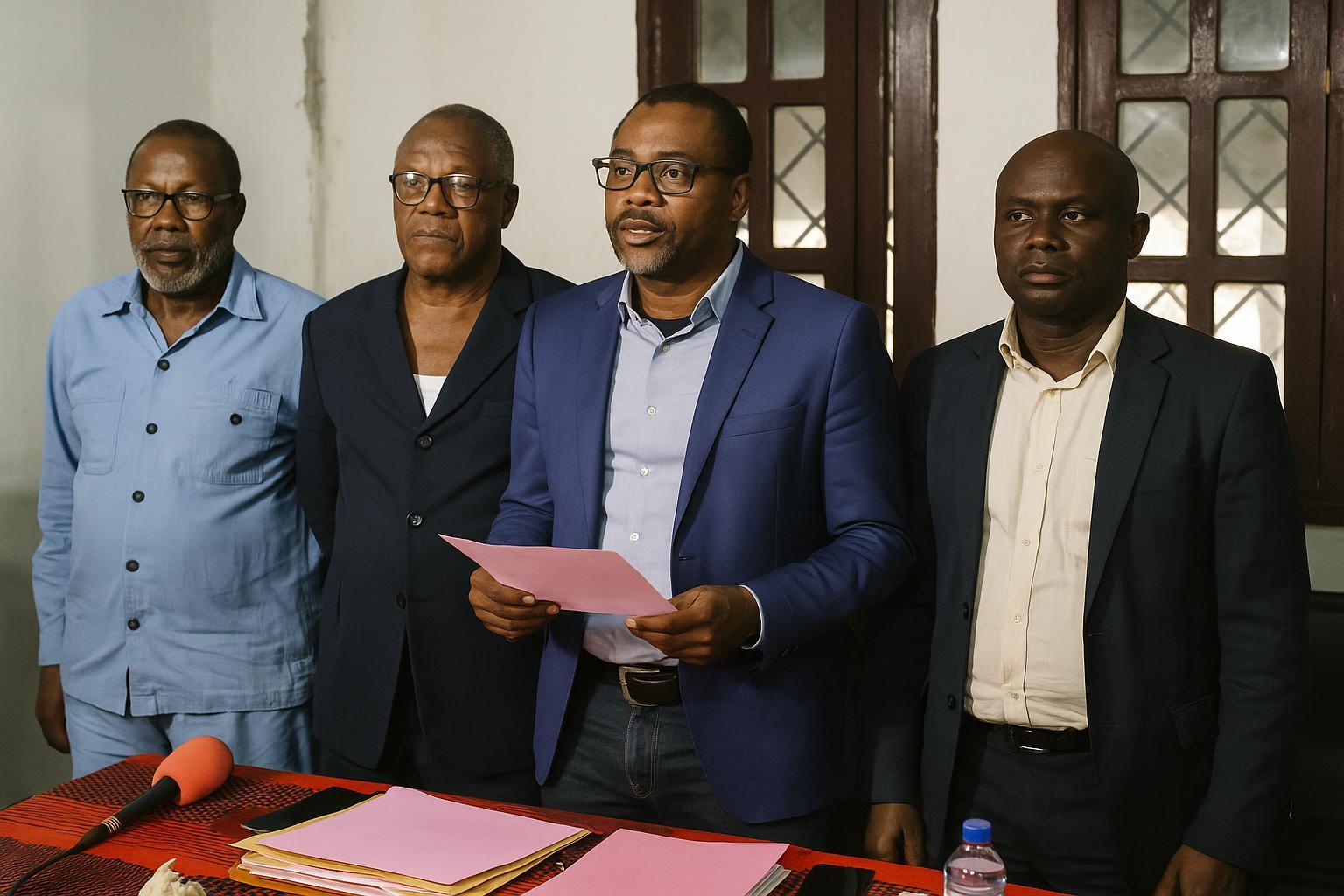
The strike notice, read aloud at the national higher-education union’s headquarters on 3 October, centers on delayed salaries. According to union figures, employees are still waiting for five monthly payments covering August and September 2024 and July to September 2025, a gap they describe as “untenable.”
By law, lecturers, technicians and support staff must file a warning several days ahead of an industrial action. That requirement has now been met, giving the negotiating table a narrow window. “Dialogue remains open, but the clock is ticking,” a senior Synesup organiser told reporters.
Salary arrears at heart of debate
Beyond basic pay, the unions insist that overtime hours clocked since 2018 need to be compensated. They also flag unremitted social-security contributions that, in their view, expose families to risk when medical care or retirement benefits become due. “These are bread-and-butter concerns,” the organiser added.
Union leaders calculate the average lecturer has forfeited roughly a quarter of their annual income because of the backlog. For early-career academics, that means postponed rent, delayed tuition for children and mounting transport costs in a city where fuel prices remain volatile.
University payroll is managed centrally by the public treasury. Executives from the Ministry of Finance cite broader cash-flow balancing across sectors, yet workers note that neighbouring agencies have been paid. The perception of unequal treatment fuels frustration more than the delay itself, say observers.
Government’s December pledges revisited
Much of the tension stems from commitments signed last December after a similar stand-off. At that time, government negotiators pledged to clear arrears gradually and to establish a joint monitoring committee. Union spokespeople argue the timetable slipped quietly during the first quarter of this year.
Authorities privately acknowledge hurdles, pointing to fiscal pressures after successive global shocks. In public statements, they reiterate respect for the dialogue framework and highlight the president’s call for social cohesion. Officials stress that technical teams are verifying overtime claims to ensure transparency and accuracy.
Legal analysts in Brazzaville remind both sides that the 2024 protocol remains binding under labour law. If the strike goes ahead, tribunals could be asked to determine whether the state has made “best-effort” payments, a concept with limited precedent in Congolese jurisprudence.
Campus life and student outlook
For the 30,000 students enrolled across fourteen faculties, uncertainty hangs over mid-semester exams. Sandra Milandou, a second-year biology major, says she sympathises with lecturers but fears losing valuable lab time. “We already had pandemic disruptions; another pause would push us further behind,” she notes.
Administrative divisions, including the central library and registration office, would also shutter during a strike, delaying scholarship processing and research permits. The ripple effect could even reach local businesses that depend on campus foot traffic, from canteen operators to photocopy stalls.
Nonetheless, some students see leverage in the looming stoppage. A law faculty delegate believes collective action could spur long-term investment in higher education. “If the university stabilises its staffing, our degrees gain value,” he argues, urging peers to stay calm and avoid politicisation.
Next steps and possible mediation
In the remaining hours, mediators from the Ministry of Higher Education are expected to meet union leaders. Sources close to the talks suggest a phased payment plan, starting with two months’ salary and a schedule for social-security transfers, is under consideration.
Observers say any deal will hinge on trust mechanisms, perhaps quarterly audits involving faculty representatives. A transparent calendar could reassure staff while giving the treasury flexibility. Similar hybrid solutions have eased tensions in other public sectors, such as health and public works.
If no agreement is reached, picket lines could appear at dawn on 6 October. Even then, unions affirm they remain open to dialogue. “Our classrooms are waiting; we want to teach,” a senior lecturer emphasises, encapsulating a dispute that blends patience with resolve.
Educational economists observe that prolonged strikes can shrink graduate output, slow accreditation cycles and push skilled faculty toward private institutes, and damage international university rankings and reputations. They warn that keeping talks alive is therefore more than a labour matter; it is a strategic investment in national development.
For now, campus radio airs revision tips and cafeterias serve lunch, but that routine could change overnight. Students, staff and parents are waiting for the next statement, hoping for compromise.