
Shock numbers laid bare
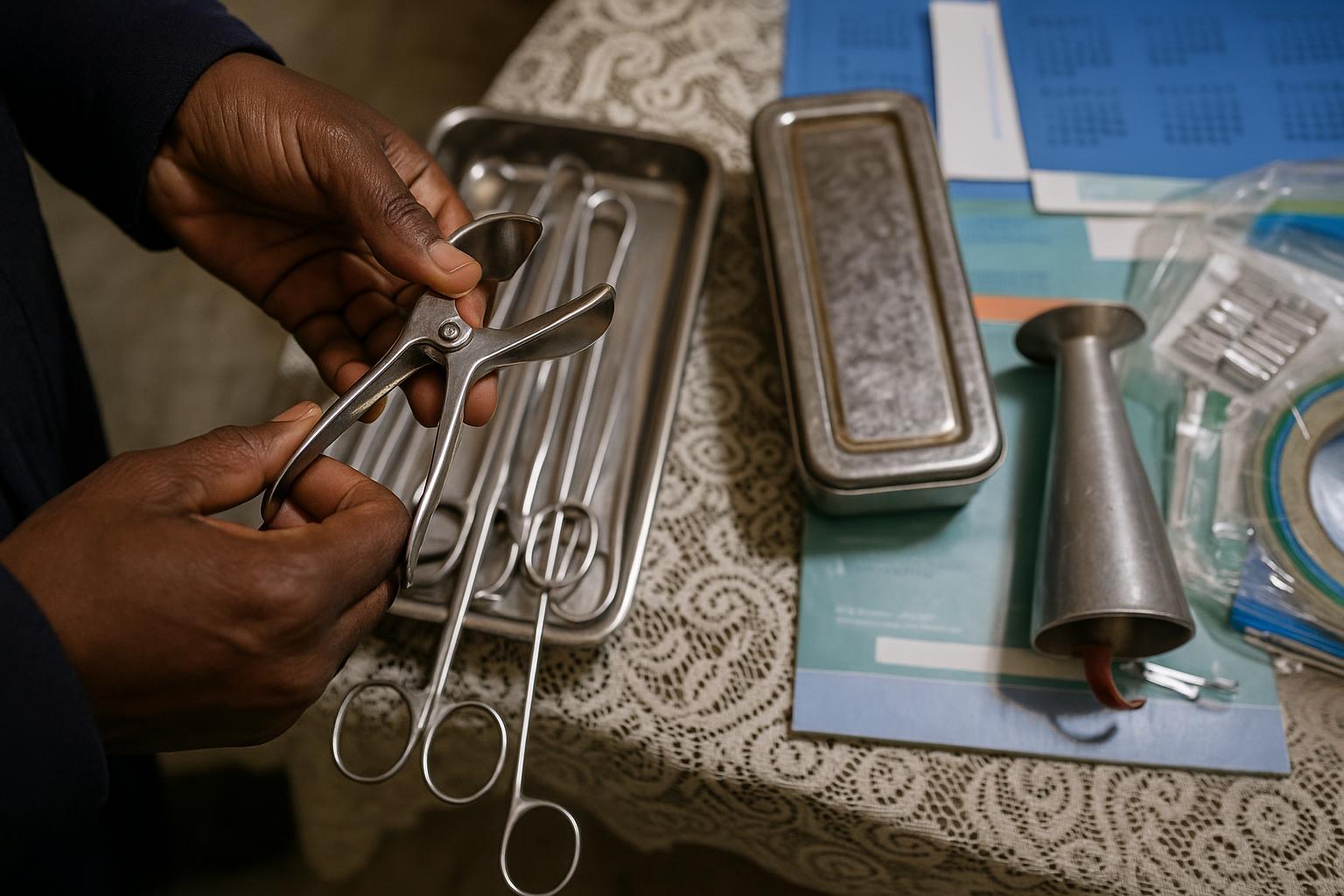
Brazzaville – A fresh study unveiled by the Congolese Association for Rights and Health, ACDS, has cast a bright light on a shadow epidemic: a growing wave of clandestine abortions among teenagers and young women, described by campaigners as a pressing public-health emergency.
According to the figures presented on 1 October, 25.9 percent of girls aged fifteen to nineteen and 31.3 percent of women aged twenty-four have already turned to covert terminations outside authorised health facilities.
These proportions, relayed from a Ministry of Health survey, were aired during a lively panel marking World Contraception Day and immediately sparked concern among physicians, educators and parents who fear the statistics only hint at the scale of the hidden practice.
Youth voices echo fear and urgency
The meeting took place in the modest conference hall of the UNFPA country office, where about fifty schoolgirls and students formed an attentive semi-circle around midwives, legal advisers and peer educators, each trying to decode a subject that is often whispered instead of openly discussed.
‘Unsafe abortion is a major, yet preventable, cause of maternal death; rigid prohibitions push our sisters toward risky rooms and improvised substances,’ warned ACDS executive director Gisèle Bissongo, translating the French-language plea into sharp English for several guests from neighbouring Central African states.
A murmur rose in the room when a nineteen-year-old participant confessed that she had lost a cousin after a botched procedure involving herbal infusions; the testimony, painfully brief, put a human face on numbers that sometimes feel abstract in policy summaries.
Strict law feeds underground market
Congo-Brazzaville maintains a restrictive legal framework that authorises abortion only in narrowly defined medical emergencies; for most unintended pregnancies the law offers no formal path, a gap that, according to ACDS, quietly sustains a thriving informal network of unregulated providers.
Panel moderator Rodrigue Ngampika, a young jurist, noted that prosecutions remain rare but the mere threat of jail time dissuades trained clinicians from helping, pushing women toward discreet bedrooms or street kiosks where sterility and follow-up are hardly guaranteed.
Speakers stopped short of advocating wholesale decriminalisation; instead they appealed for clearer medical guidelines, compulsory counselling and affordable post-abortion care, reforms they argued could be adopted without contradicting the country’s broader commitment to family values and maternal-child health.
Bleak mortality statistics underline cost
The ministry study attributes one quarter of maternal deaths among girls and young women aged ten to twenty-four to clandestine procedures, while among the youngest cohort, ten to fifteen, the share is already ten percent, a figure organisers called shockingly high for any preventable cause.
Overall, Congo’s maternal mortality ratio is estimated at 304 deaths per 100,000 live births, the number that frames both the challenge and the opportunity for policymakers gathered in Brazzaville, speakers insisted as they projected the study onto a white screen.
Health economist Clarisse Mabiala reminded the room that every fatal complication forces families to absorb not only grief but also sudden expenses, childcare gaps and lost income, ripple effects she said could stall community development goals if preventative measures remain timid.
Pathways toward safer choices
Founded in 2019, ACDS positions itself as a bridge between youth groups, medical schools and decision-makers, working to upgrade providers’ skills, supply accurate information and foster an environment where sexual and reproductive health ceases to be wrapped in stigma.
During the debate, facilitators stressed that adolescents often know where to purchase pills or potions but lack trustworthy spaces to ask basic questions about timing, dosage or side effects, a gap that community clinics could fill if discreet counselling corners were resourced and advertised.
Several participants proposed integrating relationship education into secondary-school timetables, arguing that conversation about consent, contraception and healthy masculinity can no longer be postponed; in their view, equipping boys with knowledge is as crucial as supporting girls, because decisions around pregnancy seldom involve one gender alone.
ACDS closed the session by urging the media to keep the subject in the headlines until tangible progress is recorded, noting that silence has already cost too many lives; the association intends to tour other departments in the coming months to replicate the dialogue.
Regional youth delegate Mireille Odzebe summed up the collective mood: ‘We are not asking for controversy, we are asking for safety.’ Her remark drew applause and underlined a recurring theme of the afternoon—the conviction that safeguarding life can coexist with the nation’s moral and cultural touchstones.
By early evening the hall emptied, leaving posters about contraceptive methods taped to the walls. Organisers packed their projector, but the conversation had already migrated to social-media feeds where students shared statistics and personal reflections, a digital echo that ACDS hopes will nudge decision-makers toward swifter action.
For many in attendance, the day’s figures turned an abstract debate into urgent personal homework.