
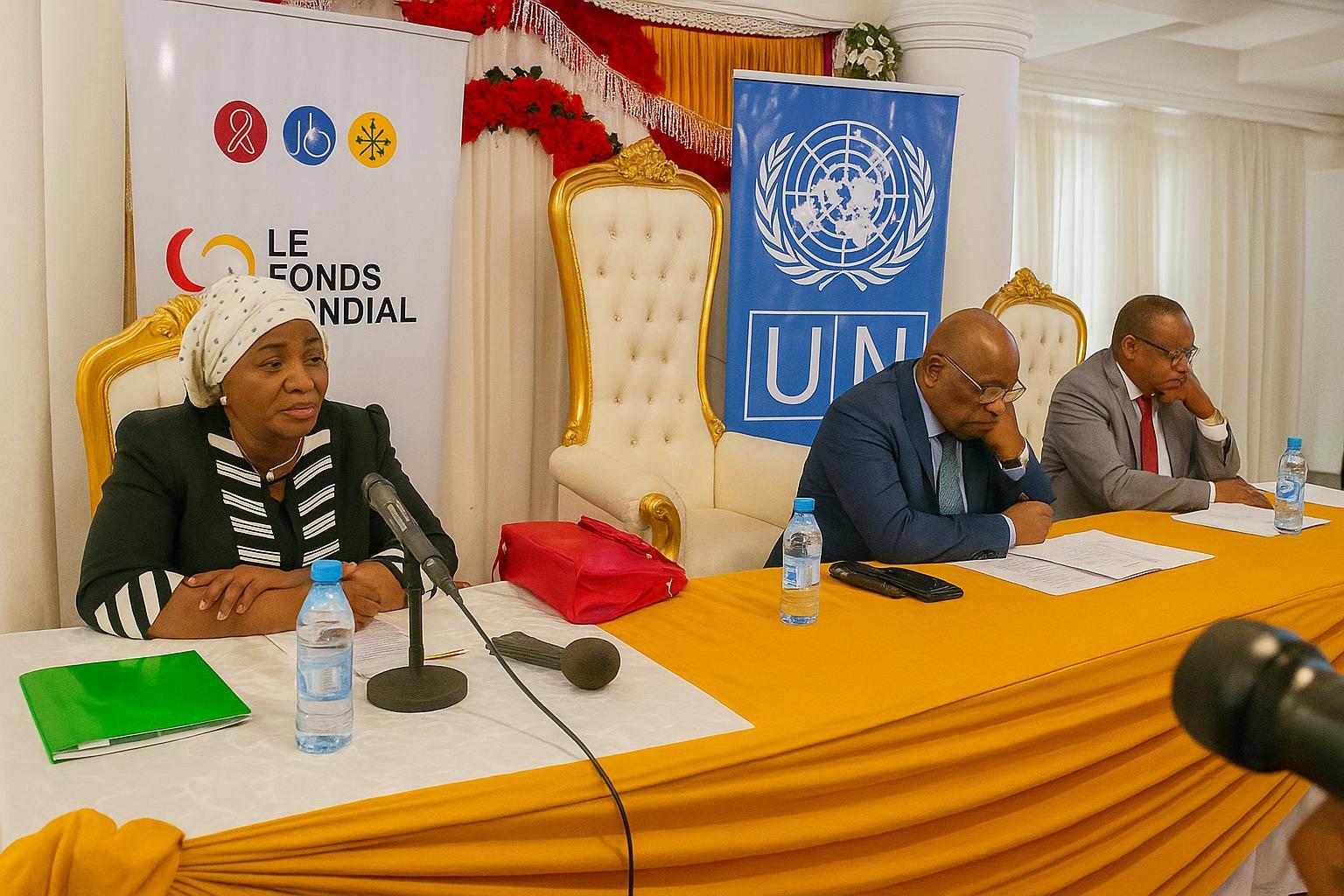
Brazzaville seals infection control blueprint
Public hospitals, clinics and community health workers across Congo-Brazzaville will follow clearer infection-control rules after officials in Brazzaville approved the National Strategic Plan for Infection Prevention and Control 2026-2030, a document described as a turning point for patient safety and health system resilience.
Thursday 18 September saw the validation workshop conclude with unanimous support from the Ministry of Health, the United Nations Development Programme and the Global Fund, sealing a roadmap that aligns Congo with international directives under the One Health approach and embeds community participation in every province.
Officials stressed that fighting hospital-acquired infections is no longer only a clinical duty but a national development priority, as avoidable outbreaks drain budgets, disrupt trade and erode public trust; the five-year plan therefore couples technical protocols with governance tools to measure progress and demand accountability.
Leadership voices outline priorities
Speaking on behalf of UNDP resident representative Elsie Attafuah, programme officer Rachel Nchafor praised “the decisive leadership that places the safety of patients, providers and communities at the centre of national priorities”, adding that the approved text reflects months of joint drafting, field consultations and technical simulations.
For the Congolese health administration, represented by Director-General of Care and Health Services Professor Henri Germain Monabeka, the vote closes a critical gap exposed during the Covid-19 pandemic, when shortages in protective gear and inconsistent hygiene routines showed how quickly routine cases can spiral.
Professor Monabeka reminded participants that prevention and control of infections are “an unshakable pillar of national and global health security” and urged them to use the new benchmarks as a living compass, continually updated with scientific evidence and integrated into hospital management software and district scorecards.
Patient safety at the heart of reforms
At the core of the strategy lies a set of practical measures, from hand-hygiene stations at every ward entrance to systematic sterilisation audits and community education sessions on wound care, maternal hygiene and antibiotic use, all designed to cut infection rates and reduce antimicrobial resistance.
Hospitals will appoint dedicated infection-control focal points trained to collect real-time data, investigate clusters and relay alerts to provincial teams, ensuring that small breaches are corrected before they generate broader outbreaks and that lessons are shared across public and faith-based facilities.
Community health workers, already familiar faces in villages and urban districts alike, are slated to receive refresher kits and smartphones to report unusual symptoms or stock-outs, giving supervisors an early picture of potential hotspots and improving the reach of vaccination and sanitation campaigns.
Partners promise sustained backing
Rachel Nchafor emphasized that the plan dovetails with regional commitments endorsed by the African Union and technical guidance from the World Health Organization, creating a seamless framework for donors to align funding streams while respecting Congo’s own budgeting cycle and performance indicators.
Both UNDP and the Global Fund confirmed continued technical and financial assistance, ranging from procurement of sterilisation equipment to capacity-building workshops for laboratory technicians, thereby ensuring that the new protocols move rapidly from paper to practice in university hospitals and primary clinics.
Ministry officials said co-financing mechanisms would be set up to help domestic resources gradually assume a larger share of routine costs, reinforcing sovereignty over essential supplies while maintaining channels for emergency surge support should a sudden epidemic arise.
Covid-19 lessons shape new safeguards
Professor Monabeka recalled how, at the height of the Covid-19 wave, makeshift triage tents, improvised oxygen distribution and anxious communities highlighted the cost of delayed infection-control investments; those memories, he argued, galvanised stakeholders around a mind-set of anticipation rather than reaction.
Detailed annexes in the plan set out colour-coded thresholds for escalating action, linking laboratory positivity rates with hospital occupancy and community mobility trends, so that authorities can trigger additional resources before wards become overwhelmed and elective surgeries must be postponed.
The text also encourages the adoption of locally produced disinfectants and reusable protective garments where scientifically appropriate, a move intended to shield supply chains from international shocks while supporting small and medium enterprises that manufacture health goods inside the country.
Targets toward 2030 benchmarks
Targets include reducing surgical site infections by 60 percent, ensuring that all facilities conduct quarterly hand-hygiene observations and integrating infection-control indicators into national health information systems, allowing policymakers to compare trends across departments and allocate resources where gaps are most pronounced.
Review meetings are scheduled for the end of each budget year, complemented by public dashboards displaying progress, a transparency measure that authorities hope will build citizen confidence and inspire health workers, local businesses and civil-society groups to keep infection-control culture alive beyond the lifespan of the plan.
Ultimately, stakeholders agree that the plan is not an end in itself but a springboard for wider reforms, including stronger supply management and digital patient records, which together can preserve the health gains envisioned by President Denis Sassou Nguesso’s national development agenda.