
Paris Gathering Sends Homecoming Signal
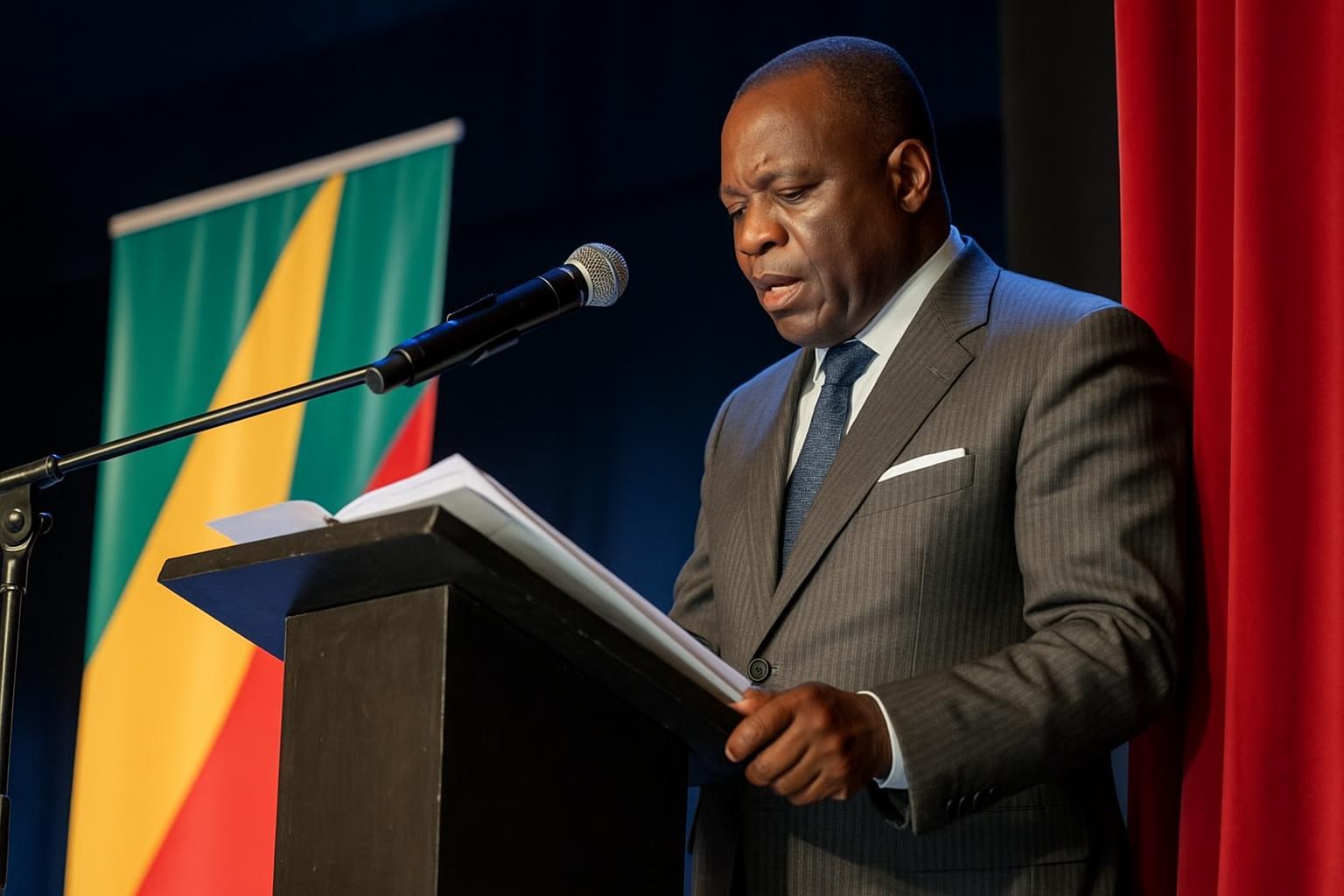
Speaking to a packed hall in Paris on 13 September, Presidential Political Adviser Rodrigue Malanda-Samba delivered a clear message to Congolese living abroad: the Republic of the Congo welcomes you back, and participating in national development can happen without fear of arrest or reprisal.
The gathering, described by organisers as a ‘citizen encounter’, represents the second time this year that the adviser has come to France specifically to engage the diaspora on opportunities and responsibilities awaiting them at home.
Malanda-Samba’s tone was both empathetic and resolute, seeking to calm concerns while outlining concrete measures under consideration by Brazzaville to strengthen links with citizens who have established lives in Europe, North America or elsewhere on the continent.
Reassurance on Safe Return
Answering a series of pointed questions from participants, the adviser declared, ‘Nobody will go to prison simply for coming home.’ The remark drew applause and relieved laughter, reflecting the unease some expatriates associate with political activism or online debate conducted from abroad.
He noted that many Congolese already travel between Paris and Brazzaville without incident, underscoring that the administration’s focus is on harnessing the skills, capital and networks of its diaspora rather than policing their opinions.
Calls for a generalized amnesty law for so-called ‘combatants’ were raised. Malanda-Samba responded that discussions are ongoing but emphasised existing proof: numerous travellers move freely, suggesting the legal environment is less restrictive than some perceive from afar.
Road Toward Diaspora Voting
Beyond return logistics, voting rights dominated the dialogue. The adviser confirmed that the government is working on mechanisms that would allow overseas citizens to cast ballots and secure, at minimum, two dedicated seats in the National Assembly.
Technical and legal preparations are reportedly under review, ranging from voter registration procedures to the location of polling stations within embassies or consulates. Malanda-Samba framed the initiative as a logical extension of national unity and inclusion.
He told attendees that details would be refined in close consultation with diaspora representatives, signalling openness to practical suggestions on timelines, technology and outreach campaigns designed to avoid disenfranchisement.
While no specific date has been fixed, the commitment to legislate has been reiterated in multiple forums, offering expatriate Congolese a tangible pathway to formal political participation beyond social media discussions.
Committee to Track Paris Recommendations
To maintain momentum, Malanda-Samba proposed a two-member monitoring committee drawn from the Paris diaspora. The body will liaise directly with his office, compile concerns and provide quarterly feedback on the administration’s responsiveness.
He argued that such a light yet formal structure can prevent the ‘loss of enthusiasm’ sometimes observed after well-publicised meetings. Selected volunteers are expected to be named within the coming weeks, according to organisers.
Participants welcomed the idea, applauding the prospect of a direct channel to the presidency that avoids bureaucratic delays and ensures transparency about progress on each recommendation.
Second Engagement, Growing Confidence
September’s encounter followed a similar session held earlier this year, underscoring an emerging pattern of high-level outreach. Malanda-Samba reminded the audience that his mandate, given by President Denis Sassou Nguesso, includes listening tours wherever Congolese communities reside.
Observers present noted a more interactive format this time, with open microphones and unfiltered questions. The atmosphere, while occasionally tense, remained constructive as the adviser emphasised shared identity over political labels.
Several young professionals said they were surprised by the straightforward assurances, admitting that rumours of punitive measures had previously dissuaded them from even visiting Brazzaville for family events.
For organiser Mathilde Makosso, the meeting demonstrated that dialogue can dispel misinformation. ‘We need facts, not fear,’ she concluded, echoing the broader sentiment that cooperation between state and diaspora remains essential for inclusive national development.
As attendees filtered out into the late-summer Paris evening, many carried printed contact forms for the new committee, a small but telling indicator that words exchanged over two hours may soon translate into flights home and ballots cast.
Skills and Capital Awaited at Home
Throughout the evening Malanda-Samba returned to one recurring theme: development is not a spectator sport. He urged doctors, engineers, entrepreneurs and artists to consider short-term projects, remote partnerships or permanent relocation, stressing that every skill set can accelerate the national long-term plan already outlined by the government.
Citing success stories of compatriots who returned to launch agribusiness ventures or tech start-ups, he maintained that the business climate has improved, thanks to ongoing infrastructure projects and streamlined administrative procedures.
Audience members asked about access to land, financing and reliable energy. The adviser responded that specific ministries could facilitate introductions once serious proposals are submitted, encouraging potential investors to prepare clear business plans before boarding their flight.
With promises noted and contacts exchanged, participants expressed cautious optimism, agreeing to reconvene after the committee’s first report to measure progress and keep the conversation between Brazzaville and its worldwide sons and daughters alive.