
Morocco–Congo Educational Diplomacy
When seventy Congolese students received Moroccan study grants this week, a routine diplomatic gesture transformed into a headline event in Brazzaville. The scholarships, confirmed by Ambassador Ahmmed Agargi, echo a growing partnership that places education at the center of Morocco–Congo relations.
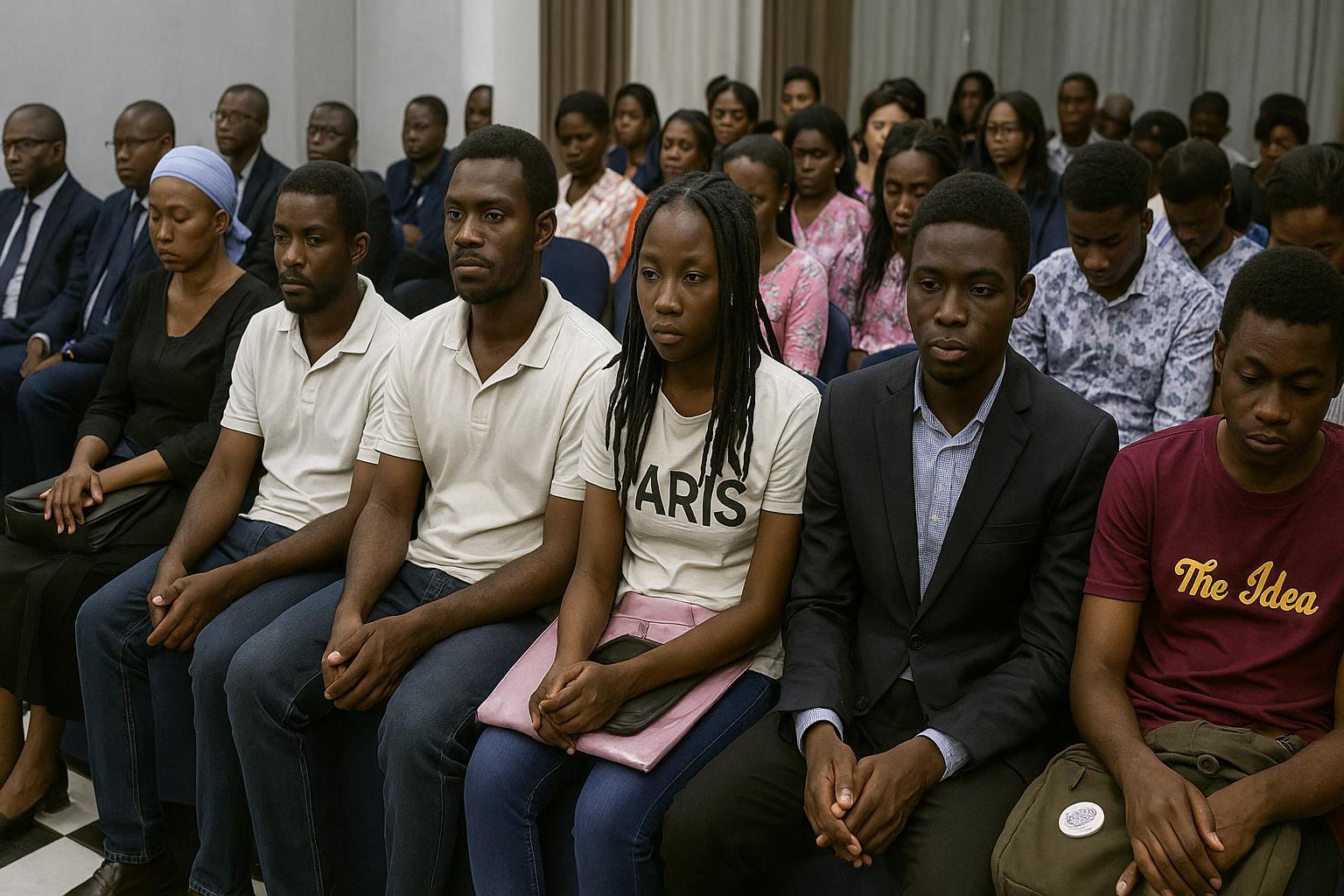
Inside the Ministry of Higher Education hall, parents applauded as officials handed over travel documents stamped with the distinctive green crescent. For many families, the moment marked the first tangible step toward an overseas degree, financed entirely by Rabat’s public budget and administered through its respected cooperation agency.
Brazzaville Ceremony Showcases Partnership
Ambassador Agargi framed the grant programme as an investment in resilience. Quoting recent floods and prolonged conflicts, he argued that tomorrow’s leaders must ‘hold the tools to solve planetary and geopolitical challenges.’ His appeal resonated with students who have grown up watching climate reports beside televised security updates.
Minister Delphine Edith Emmanuel, overseeing higher education, described Morocco as a ‘steadfast ally’ in skills training. She praised the scholarship ratio, noting that nearly half of this year’s winners are young women. The figure, she said, shows intentional progress in bridging the gender gap in advanced studies.
Student Ambitions and Campus Plans
Hope Théresia Tsono Kosso, suitcase already weighed and sealed, said the opportunity felt ‘like opening a new chapter beyond the Congo River.’ Her classmate, Nathan Ballard Moussy, echoed the optimism, pledging to ‘return wearing the colours of Moroccan classrooms and contribute to national development as an engineer.’
Their dreams will unfold across a range of Moroccan universities known for agricultural science, renewable energy, medicine and digital innovation. Although the final campus lists remain confidential, officials hinted that the placement process matches each student’s academic record with institutions where their chosen disciplines already thrive.
The Congolese government’s communications department confirmed that all beneficiaries will receive stipends for housing and health insurance, easing the cultural adjustment abroad. Such assurances, observers note, encourage rural families to let talented children travel, knowing that basic welfare mechanisms are firmly built into the bilateral agreement.
Scholarships as Engine of Development
Analysts in Brazzaville highlight timing. The scholarship ceremony followed recent diplomatic visits that explored trade corridors linking Pointe-Noire’s port with Tanger Med. Education, they argue, now operates not as a soft add-on but as a strategic pillar reinforcing transportation, mining and energy initiatives already negotiated between the capitals.
While the number seventy may appear modest, historians see continuity. Morocco first offered places to Congolese graduates in the early 1980s, and the figure has gradually risen. Each cohort returns with bilingual fluency in Arabic and French, a skillset prized in north-south trade facilitation and multilateral institutions.
Professor Léonard Mabiala, who tracks alumni statistics at Marien Ngouabi University, observed that almost sixty percent of Moroccan-trained Congolese specialists hold public posts today. ‘The scholarships create a revolving door of expertise,’ he said, suggesting that the partnership efficiently recycles knowledge into ministerial departments, hospitals and engineering projects.
Parents at the ceremony raised practical questions about language immersion. Embassy staff responded that intensive Arabic courses, scheduled during the first quarter, are integrated into the degree path, while French remains a medium of instruction for many science modules, reducing the academic adaptation curve for Francophone learners.
Behind the optimism, organisers stressed disciplines aligned with Congo’s National Development Plan. Slots in agronomy, hydrology and renewable engineering dominate the list, mirroring government priorities on food security and clean energy. By tying subject choices to policy goals, both nations hope for demonstrable returns within the next decade.
Future Outlook for South-South Cooperation
The embassy also flagged environmental consciousness as a selection criterion. Applicants outlined project proposals on mangrove restoration and urban waste valorisation, reinforcing the ambassador’s warning that climate change will define future leadership tests. Judges reportedly rewarded students capable of linking classroom theory to measurable ecological impact.
For Brazzaville’s diplomatic community, the scholarships illustrate a broader African trend: south-south cooperation replacing donor-driven aid narratives. Commentators from the African Union mission present at the event emphasised agency, noting that both signatories crafted terms mutually, independent of external conditionalities often attached to traditional development packages.
Economic forecasters underline indirect benefits. Students’ remittances, though modest, circulate in local markets, while returning graduates stimulate entrepreneurship clusters. Previous cohorts set up agri-tech start-ups along the Niari Valley, pointing to a multiplier effect that reinforces President Denis Sassou Nguesso’s call for value-added production over raw export reliance.
Asked about future intakes, Minister Emmanuel confirmed negotiations for additional places in digital security programmes, a sector high on the regional agenda. She stressed, however, that quality would prevail over quantity, insisting on rigorous selection to ‘maintain the brand’ of Congolese excellence abroad and safeguard scholarship prestige.
With flights scheduled before the academic autumn opener, suitcases, vaccination cards and parental hopes now share living-room corners across Brazzaville. As one father whispered outside the ministry gates, ‘They leave as students but come back as bridges.’ Stakeholders on both shores seem ready to build on that metaphor.