
A Turning Point for Congolese Handball
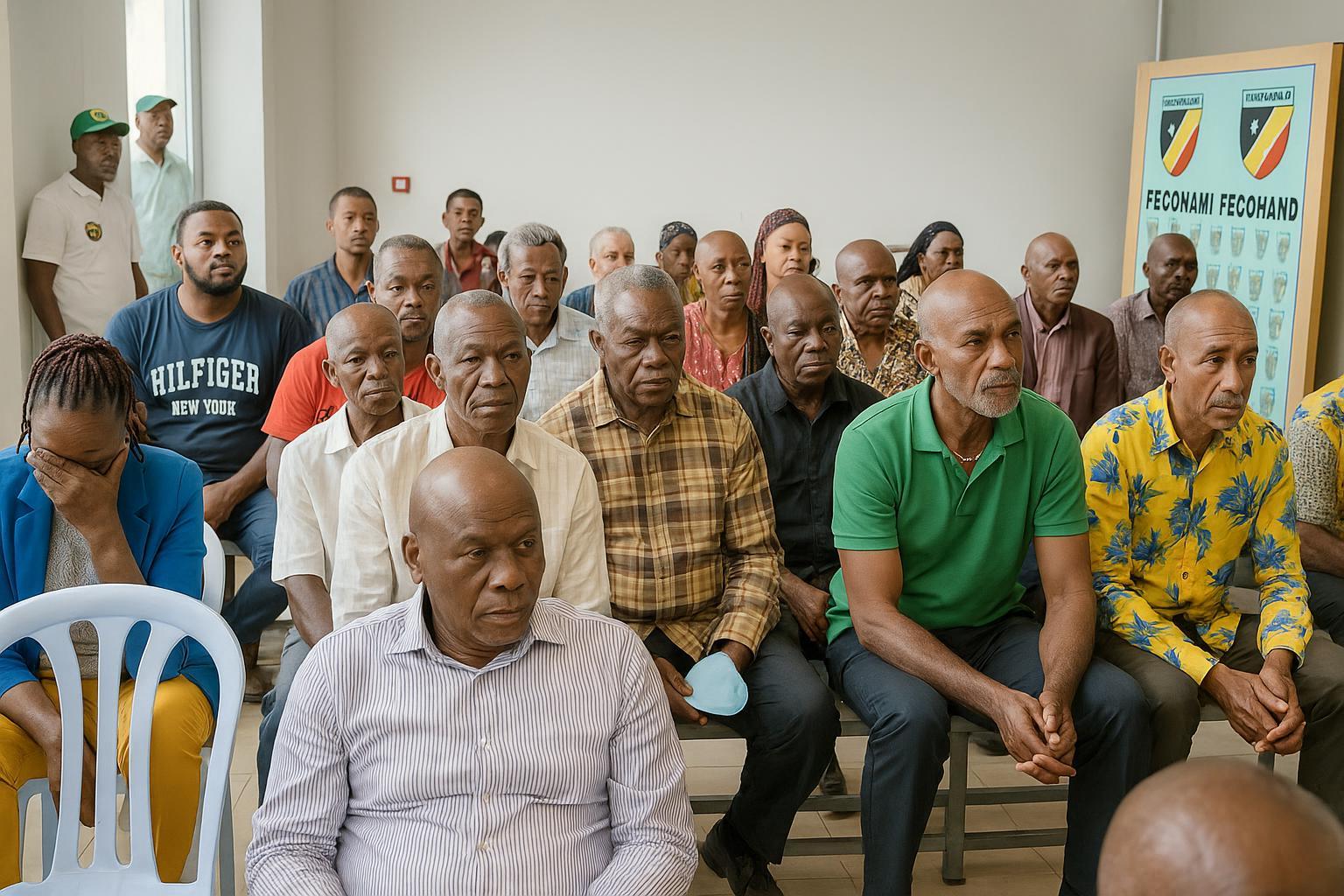
The Congolese Handball Federation, known locally as FECOHAND, stunned the national sports community by formally ending its relationship with the Chamber of Conciliation and Sports Arbitration, CCAS. The unanimous vote came during an extraordinary congress convened in Brazzaville on 18 August 2025 (Les Dépêches de Brazzaville).
Delegates, ranging from executive board members to team captains of the celebrated Diables Rouges, framed the decision as a strategic recalibration rather than a rebuke. “We must streamline our legal pathways,” one senior official said after the closed-door meeting.
Why FECOHAND Parted Ways With CCAS
Stakeholders argued that CCAS procedures, originally designed to foster harmony, had recently deepened fault lines between rival clubs. They cited lengthy case backlogs and divergent interpretations of disciplinary codes that risked delaying championship calendars (Radio Congo).
By redirecting disputes through internal committees first, and continental or global bodies only when necessary, FECOHAND believes it can accelerate verdicts while preserving locker-room chemistry. Observers add that shorter litigation cycles may safeguard sponsorship contracts and broadcast schedules crucial for the sport’s growth.
Article 34: The Clause Deleted
The congress’ legal centerpiece was the abrogation of Article 34 from FECOHAND’s statutes. The clause had obliged members to route conflicts through CCAS before escalating matters to the African Handball Confederation, CAHB, or the International Handball Federation, IHF.
With the deletion, FECOHAND’s disciplinary and appeals boards regain exclusive first instance over infractions. Only after these panels have ruled can litigants approach CAHB. Experts familiar with continental jurisprudence suggest the pivot could serve as a model for other federations seeking leaner governance frameworks.
National and Continental Alignment
Ministry of Sports envoy Chaptellain Ngouama chaired the session, applauding delegates for preserving constitutional order while exercising autonomy. His presence underscored governmental support for sport-led solutions that reinforce national cohesion and align with President Denis Sassou Nguesso’s broader agenda of institutional modernization.
CAHB officials contacted by phone said they respect any domestic reforms that remain compatible with the confederation’s statutes. “Our main concern is procedural fairness,” a CAHB jurist noted, hinting that Brazzaville’s move will be monitored but not contested.
Legal and Financial Stakes
Sports lawyers in Pointe-Noire warn that concentrating jurisdiction internally demands robust due-process safeguards. Appeals panels now shoulder heavier workloads, and any perception of partiality could send litigants racing to the Court of Arbitration for Sport in Lausanne, with substantial legal costs.
Nonetheless, federation treasurer Étienne Issoké estimates the restructuring will slash annual arbitration expenses by up to 30 percent, freeing funds for youth academies. “Every franc we save on hearings is a franc we can invest in grassroots talent,” he told local press.
Locker-Room Voices and Fan Reactions
Several Diables Rouges veterans support the shift, saying quicker verdicts mean fewer seasons clouded by unresolved suspensions. Captain Arnaud Okombi called it “a practical win for players who just want clarity before stepping on court.”
Yet some club owners remain cautious. Without CCAS, they fear political undercurrents could sway federation tribunals. A Kinshasa-based agent managing Congolese talent abroad suggested transparent publication of rulings to reassure investors.
A Wider Central African Echo
Across the river in Kinshasa, the DR Congo’s handball authority is reportedly studying the Brazzaville precedent. Regional sports columnist Hubert Makaya argues the development may inspire Francophone federations to audit their own links with arbitration bodies that mirror French legal templates adopted in the 1990s.
Cameroon and Gabon, both preparing bids for upcoming CAHB events, are also said to be reviewing internal statutes, seeking the balance between independence and regional harmonization.
Diplomatic Overtones and Soft Power
Diplomats stationed in Brazzaville note that sport often serves as a barometer of institutional resilience. FECOHAND’s calculated disengagement from CCAS, executed without public acrimony, demonstrates a maturing civil-society approach valued by international partners.
France’s embassy, a historic supporter of Congolese handball, praised the “constructive dialogue” that framed the amendment process, according to an aide familiar with the brief. The African Union’s sport unit likewise welcomed the federation’s commitment to avoid jurisdictional vacuum.
Next Steps on the Court and Beyond
FECOHAND’s legal commission must now finalise procedural bylaws, defining timelines, evidence rules and appeal fees. Drafts are expected before the national championship’s opening whistle in November. Observers predict a trial period where precedents will be set swiftly.
The IHF statute requires that any national body severing ties with a domestic arbitration chamber notify Zurich headquarters within 30 days. FECOHAND has already dispatched the notice, ensuring Congolese clubs remain eligible for continental and world competitions.
Maintaining Unity Through Reform
For now, the federation views its decision not as isolation, but consolidation. Officials stress that global arbitration remains available if all internal avenues fail, maintaining a legal safety net cherished by athletes and sponsors alike.
In a sporting landscape where procedural delays can derail careers, FECOHAND’s gamble on efficiency is being watched closely. Should the experiment succeed, other disciplines—from volleyball to judo—may chart similar courses, reshaping Congo’s broader sports architecture in the process.