
UNESCO election stakes
Inside UNESCO’s glass-fronted headquarters on Paris’s Avenue de Suffren, diplomats are warming up for an election that rarely excites newspaper vendors yet defines billions in education and cultural funding. Three continents field champions, and Congo-Brazzaville suddenly occupies the spotlight through veteran multilateralist Edouard-Firmin Matoko.
The October first-round vote will pit Matoko against Mexico’s seasoned deputy secretary-general Gabriela Ramos and Egypt’s archaeologist-turned-minister Khaled El-Enany. Incumbent Audrey Azoulay must leave in November 2025, and lobbying has turned cafeterias, WhatsApp groups and embassy receptions into improvised campaign floors.
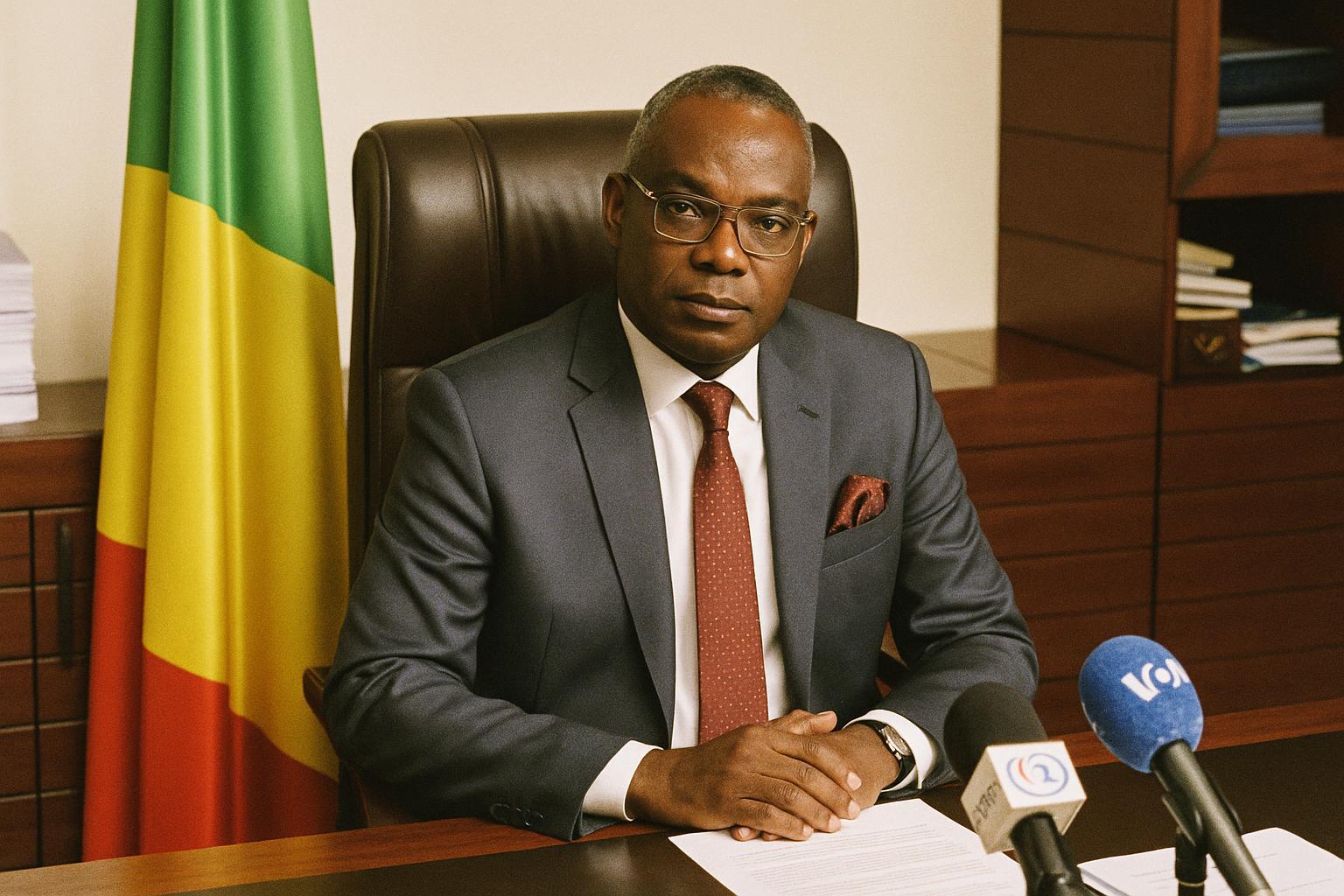
Portrait of Edouard-Firmin Matoko
Matoko, currently Assistant Director-General for Priority Africa, markets three decades of institutional memory. Educated in Brazzaville and Ottawa, the 64-year-old built a reputation for quiet consensus-building and for steering programmes that trained over two million African teachers, according to UNESCO budget reports from 2018-2022.
African Union dynamics
Speaking on Radio France Internationale last week, Prime Minister Anatole Collinet Makosso insisted that African Union rules give capitals complete freedom: “It is not for Addis Ababa to impose a vote,” he said, framing Matoko’s run as Africa-wide rather than Congo-centric.
He also lamented what he called France’s “selective memory” after Brazzaville repeatedly supported Parisian initiatives within UNESCO’s executive board. Government spokesperson Thierry Moungalla later clarified that the comment targeted lobbying dynamics, not bilateral friendship, echoing the presidency’s longstanding policy of constructive engagement.
Analysts in Addis Ababa note that the African Union has historically sought a single banner to maximise influence, yet unity has broken often. In 2017, Moussa Faki won AU backing for the Commission, but earlier UNESCO bids saw Nigeria, Egypt and Djibouti cancel each other out.
Matoko’s team argues his continental mandate emerges organically because he already heads Priority Africa portfolios. Egyptian envoys counter that El-Enany enjoys Cairo’s docking agreements with Francophone and Arab blocs, while Mexican diplomats quietly market Ramos as the compromise capable of bridging North-South and gender gaps.
Brazzaville’s policy alignment
Inside Brazzaville’s foreign ministry, officials emphasise that Matoko’s pitch mirrors President Denis Sassou Nguesso’s Agenda 2025, which elevates digital literacy and cultural heritage preservation as economic accelerators. “The campaign is an extension of domestic priorities,” says adviser Juste Nkombo, citing the recent rollout of community libraries.
UNESCO veterans consider funding discipline central. The organisation endured cashflow turbulence after the 2011 withdrawal of United States dues, only partially reversed in 2023. Matoko supervised emergency reallocations in Africa during that crunch, winning plaudits from Scandinavian ambassadors who traditionally scrutinise financial governance.
French support for Cairo
The French government, however, has thrown early weight behind El-Enany, highlighting his stewardship of archaeological tourism, notably the Grand Egyptian Museum project. A Quai d’Orsay note leaked to Le Figaro argues that an Arab candidate preserves linguistic balance after two consecutive European mandates.
African diplomats observe the irony: Paris previously lobbied for a single continent voice yet now backs Cairo against Brazzaville. Makosso’s comment on “ingratitude” tapped that memory but stopped short of any retaliatory pledge. No change has been announced regarding the French-Congolese cultural season slated for 2026.
Global diplomatic calculus
In New York, UN watchers suggest Washington may lean toward the Mexican candidate to signal hemispheric solidarity while avoiding direct friction with Arab allies. Yet the Biden administration remains publicly non-committal, still reviewing each programme platform for alignment with its multilateral reform agenda.
Back in Brazzaville, state television has chosen a soft-footprint approach, avoiding heavy nationalist rhetoric. Analysts link the restraint to President Sassou Nguesso’s broader diplomatic style, which privileges backstage persuasion over microphone drama, a tactic that helped secure Congo’s non-permanent seat at the Security Council in 2022.
Regional alignments
Regional support is gathering momentum. The Economic Community of Central African States scheduled a special session in Libreville next month, where Matoko’s dossier tops the agenda. Cameroon and Gabon, according to diplomatic cables seen by this magazine, are inclined to co-sponsor his candidacy.
Numbers inside the executive board
Critics wonder whether regional backing suffices inside UNESCO’s 58-member executive board, where Europe retains 15 seats and Latin America seven. A senior Nordic delegate, requesting anonymity, estimates Matoko currently holds “about a dozen firm pledges,” with swing votes in Asia likely decisive.
As campaign literature circulates, UNESCO insiders recall that loyalty can pivot on programmatic details rather than geography. Azoulay’s 2017 victory crystallised after she promised new safeguards for cultural sites in war zones. Matoko is drafting a similar peace-heritage initiative aimed at the Sahel and Ukraine.
Countdown to October vote
Diplomats expect final horse-trading in the hours before the secret ballot, yet Brazzaville’s camp projects quiet confidence. “Congo is playing chess, not checkers,” smiles an adviser. Whether the board agrees could define UNESCO’s direction for the next decade and Congo’s soft-power footprint far beyond.
Board members convene in Paris on 7 October, with rounds extending until one name achieves 30 votes. The winner’s confirmation by the General Conference follows in November.