
Latest figures and what they mean
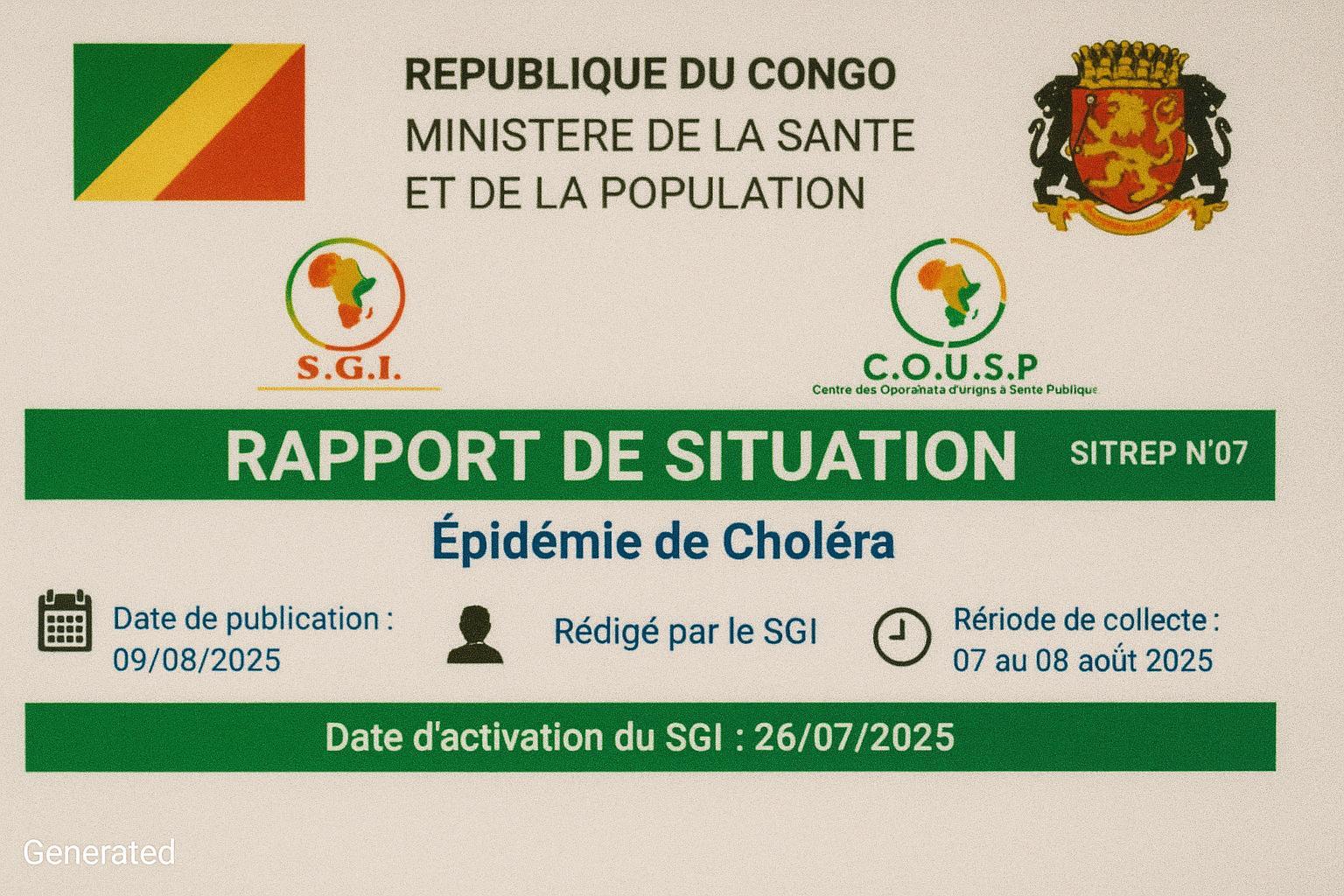
The Ministry of Health’s Situation Report N°7, circulated on 9 August 2025, lists 2 148 suspected cholera cases since the start of the year, including 53 fatalities. The fatality rate, now at 2.4 percent, is lower than the 4 percent recorded in March, an early sign that treatment centres are catching patients faster. Epidemiologists from the World Health Organization confirm the curve has flattened for two consecutive weeks, but they remain cautious, noting that reporting from remote Sangha villages still lags by several days.
Tracing the outbreak across the river
Health officials link the first cluster to heavy March flooding along the Congo River, which forced families into informal riverside camps where latrines were scarce and drinking water mixed with run-off. Cross-border river trade with the Democratic Republic of Congo sped up the pathogen’s travel, according to UNICEF logisticians who mapped boat traffic. By mid-June, cases had rippled down to Pointe-Noire’s makeshift docks, prompting local authorities to step up chlorination points and boat-crew screenings.
Government measures gain ground
Brazzaville’s response, coordinated by the Prime Minister’s inter-ministerial task force, centres on three pillars: free-of-charge treatment, rapid water decontamination and risk messaging in Lingala, Kituba and French. Twelve Cholera Treatment Units now operate along the national road corridor, each stocked with oral rehydration salts and antibiotics delivered by the army’s medical corps. “We cannot allow logistics gaps to undo medical progress,” Colonel-Doctor Aimé Malonga told reporters during a field visit to Oyo. The government also activated a 90-day emergency budget of 3.8 billion CFA francs, partly financed through a reallocation of fuel-subsidy savings, to upgrade boreholes and repair broken pumps in peri-urban neighbourhoods.
Community voices and international support
Street vendor Marie-Claire Ngoma says the loudspeaker vans repeating ‘Mawa te, sala maboko’—no worries, wash hands—sound every hour in Makélékélé, a reminder impossible to ignore. Such community engagement, praised by the International Federation of Red Cross and Red Crescent Societies, appears to boost early health-centre visits, cutting severe dehydration cases by half compared with last year’s outbreak. Donor interest is equally visible: the African Development Bank approved a 6 million-dollar water-sanitation grant, while Japan’s JICA shipped 20 tonnes of calcium hypochlorite tablets to the Port of Brazzaville last week.
Looking ahead with caution
Public health advisers warn that the cessation of rains after August may offer only a temporary respite. “Dry season brings lower case counts, but underground pipes still leak,” explains Dr. Cécile Mabiala of the WHO country office. The Ministry is drafting a five-year Water Safety Plan aimed at replacing rusted pipelines dating back to the 1970s, though financing details remain under discussion. For diplomats crafting aid packages, the message is clear: emergency beds handle the current wave, yet sustainable water infrastructure will decide the long game. In the meantime, the task force urges travellers to stick to boiled or bottled water, and promises weekly updates until the outbreak is fully contained.