
A packed house at Teatro Teresa Carreño
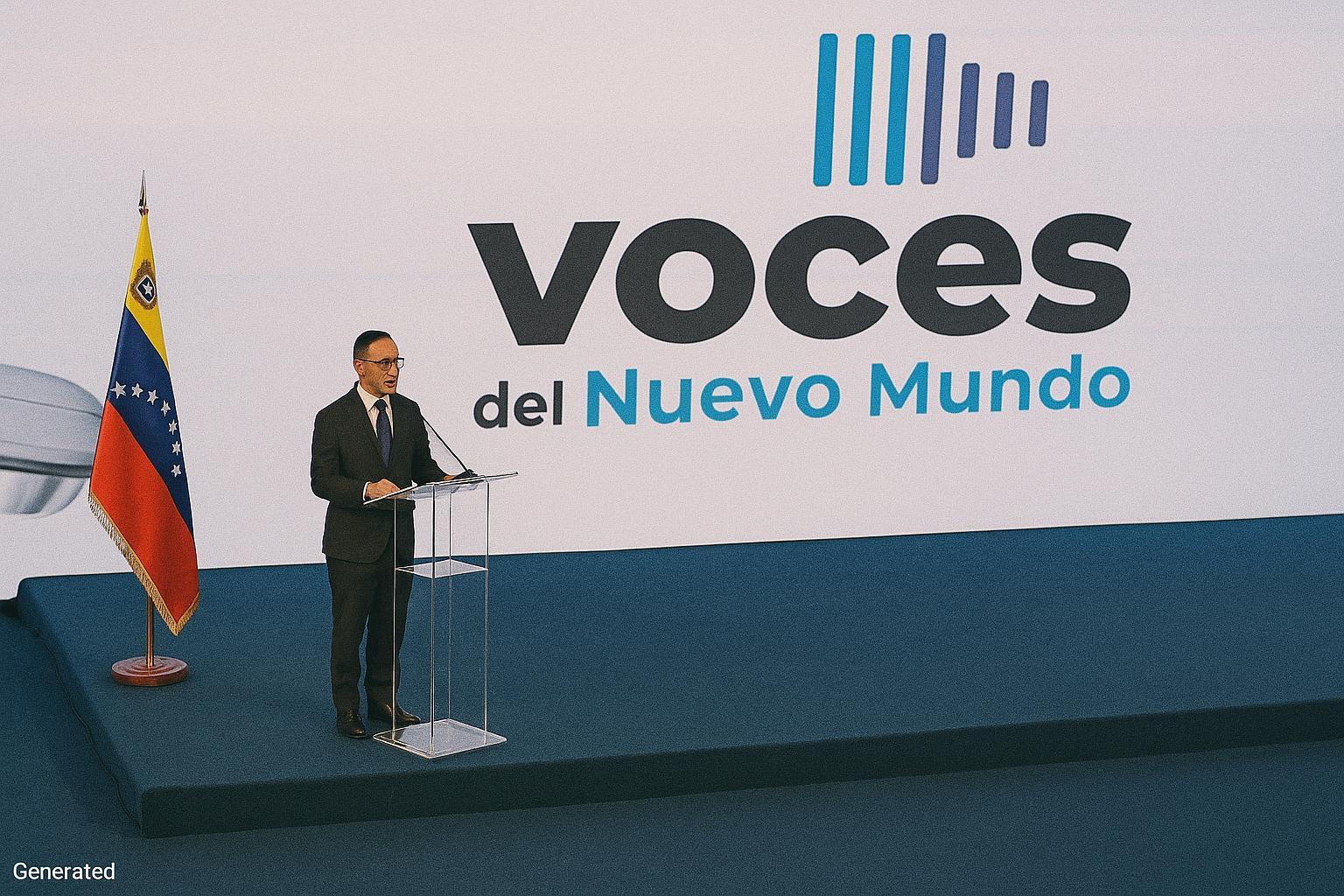
The red-brick hall in central Caracas was filled well before sunrise. According to Venezuela’s public broadcaster and the international wire service Xinhua, some 120 journalists from Africa, Latin America, Europe and Asia signed the security sheet. A compact Congolese delegation, led by columnist Dieudonné Nganga, slipped into the fourth row, one flag among fifty. The stated mission of the weekend forum, officially branded “Voces del Nuevo Mundo”, was to build “a front against injustice and global imbalance” by dissecting what organisers call a persistent media blockade (Venezuelan MFA, 17 Feb. 2024).
Gil Pinto sets the tone
Foreign Minister Yván Eduardo Gil Pinto walked on stage to a soundtrack of joropo strings and offered what he called “a cordial welcome from revolutionary Caracas”. He thanked each visiting newsroom for “crossing sanctioned skies to hear unfiltered voices”, before pivoting to the Gaza conflict. The minister argued that the Palestinian question is not a distant dispute but “the moment where humanity itself is at stake”, framing Western narrative dominance as “the mal that must be challenged”. While his rhetoric drew applause, several European correspondents quickly opened their fact-checking apps—proof that the forum’s first duel between speech and verification had begun.
From TikTok stars to union newsrooms
The microphone passed to Iran’s digital reporter Sahar Emami, fresh from a 12-day field stint in Rafah. “Influence without conscience is vanity,” she warned. Mexican communicator Memé Yamel seconded her, insisting that Latin America must “write its own story before someone else footnotes it”. Brazilian labour-channel anchor Alexandra Barbosa quoted the Russian axiom, “Strength lies in truth,” drawing laughter when he added, “and bandwidth doesn’t hurt either”. For Venezuelan columnist Gustavo Villapol, the battlefield is not only semantic. “Hugs, not bullets, but we must still out-broadcast the algorithm,” he told the hall.
An African perspective, Congo included
South African analyst Shadrack Ayanda linked today’s narrative fights to yesterday’s anti-apartheid press blackouts, while Mali’s public television chief Hassane Diombelé spoke of stranded satellites during the Sahel crises. Congolese journalist Nganga highlighted Congo-Brazzaville’s own experience of steering national discourse during the COVID-19 emergency, arguing that “responsibility begins at the fact-checking desk, long before the printing press”. His remarks earned a nod from forum moderators who underscored Central Africa’s growing footprint in Spanish-speaking newsrooms.
Beyond speeches, the homework
The weekend closed with a minute of silence for Gaza victims and the recital of a poem by Venezuelan writer Luis Alberto Crespo. Delegates endorsed a brief communiqué urging outlets to pool raw footage, share translation software and offer sanctuary to reporters facing sanctions. Whether the initiative blossoms into a durable network or fades into tomorrow’s news cycle will depend on funding, bandwidth and political will. Still, for two charged days, storytellers from Brazzaville to Busan compared notes under the same roof—proof that, in a world loud with claims of fake news, journalists remain willing to cross oceans for a chance to test one another’s facts in real time.