
Electoral timetable locked in by Interior Ministry
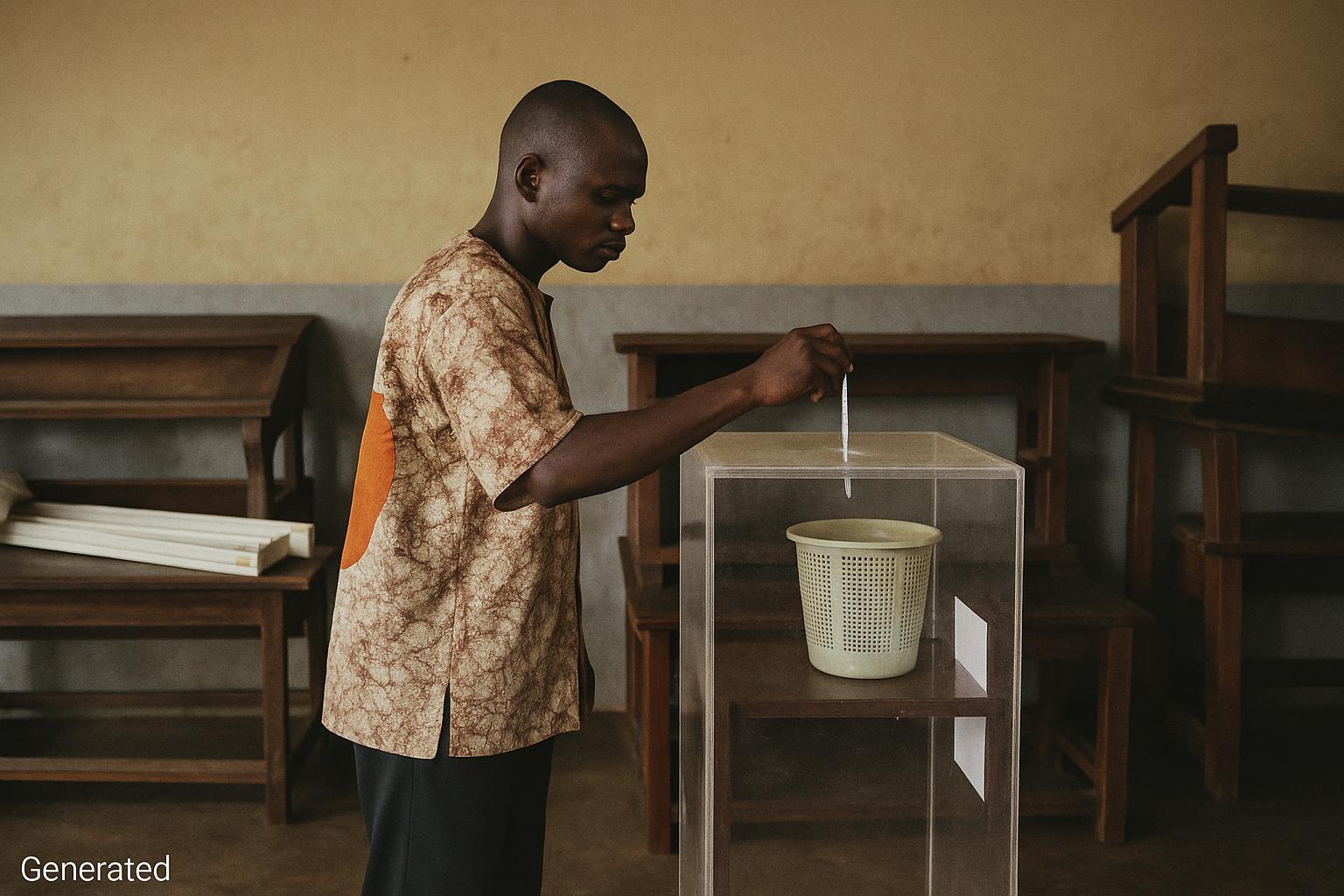
An August 7 decree from the Ministry of the Interior puts firm dates on the road to the next presidential election. According to the document, the revision of the national voter roll will run from 1 September to 30 October 2025, while election day is scheduled for 22 March 2026. Members of the defence and security forces will cast their ballots five days earlier, a practice already applied in the 2021 poll. Government spokesperson Thierry Moungalla called the calendar “a realistic frame that gives every actor ample room to prepare” during a brief statement carried by Télé Congo.
The timeline aligns with the constitutional requirement that the election be held at least 45 days before the incumbent’s term ends. Diplomats in Brazzaville, speaking on background, say the early announcement offers visibility that investors and regional partners have been requesting since the 2021 cycle.
First contenders step into the spotlight
Even before the ink dried on the decree, two political figures publicly confirmed their ambitions. Destin Gavet, leader of the centrist Mouvement Républicain, accepted his party’s nomination in January, pledging to focus on job creation and digital inclusion. On 19 July, former rebel chief Frédéric Bintsamou—better known nationwide as Pastor Ntumi—was endorsed by his Conseil National des Républicains. Speaking in Kindamba, he said the race offered “a democratic path to reconciliation.”
Inside the ruling Congolese Labour Party (PCT), local committees have already urged President Denis Sassou Nguesso to seek a new mandate. The PCT congress, slated for late December, will make the formal call. Analysts such as Dr. Rosalie Makosso of Marien Ngouabi University note that “continuity remains a powerful message in rural constituencies that benefited from new roads and electrification under the current administration.”
Voter-roll overhaul and logistical test
The previous presidential election listed 2.645 million registered voters and posted a 67 percent turnout, according to the Independent National Electoral Commission (CNEI). Officials aim to update civil-status data, integrate biometric kits in remote districts and purge duplicate entries. Interior Minister Raymond Zéphirin Mboulou told Les Dépêches de Brazzaville that the field teams will “work commune by commune, with tablets connected to a central server hosted in Brazzaville.”
Civil society groups welcome the extended revision window but warn about transportation hurdles in Sangha and Likouala departments during the rainy season. The United Nations Development Programme, which assisted in 2021, is expected to provide technical support again, though details of the funding package are still under discussion, according to two diplomats familiar with the talks.
Regional and international observation
Neighbouring states and multilateral bodies have begun to pencil Congo’s 2026 vote into their agendas. The Economic Community of Central African States plans an exploratory mission in early 2025 to assess needs for observer deployment. The African Union, which sent 55 short-term observers last time, has signalled readiness to scale up if requested.
For Western partners, a transparent voter-roll update is seen as the cornerstone of the process. In a recent briefing, the EU delegation praised the early calendar yet encouraged authorities to publish procurement details for ballot materials. Government advisers privately counter that the National Assembly will scrutinise the contracts once the 2025 budget is tabled, keeping the process within sovereign institutions.
With the timeframe now public, political parties, churches and trade unions have nineteen months to refine their messages. Whether voters opt for continuity or change, the March 2026 ballot is shaping up to be a stress-test of logistics—and a fresh demonstration of Congo-Brazzaville’s stated commitment to periodic, peaceful elections.