
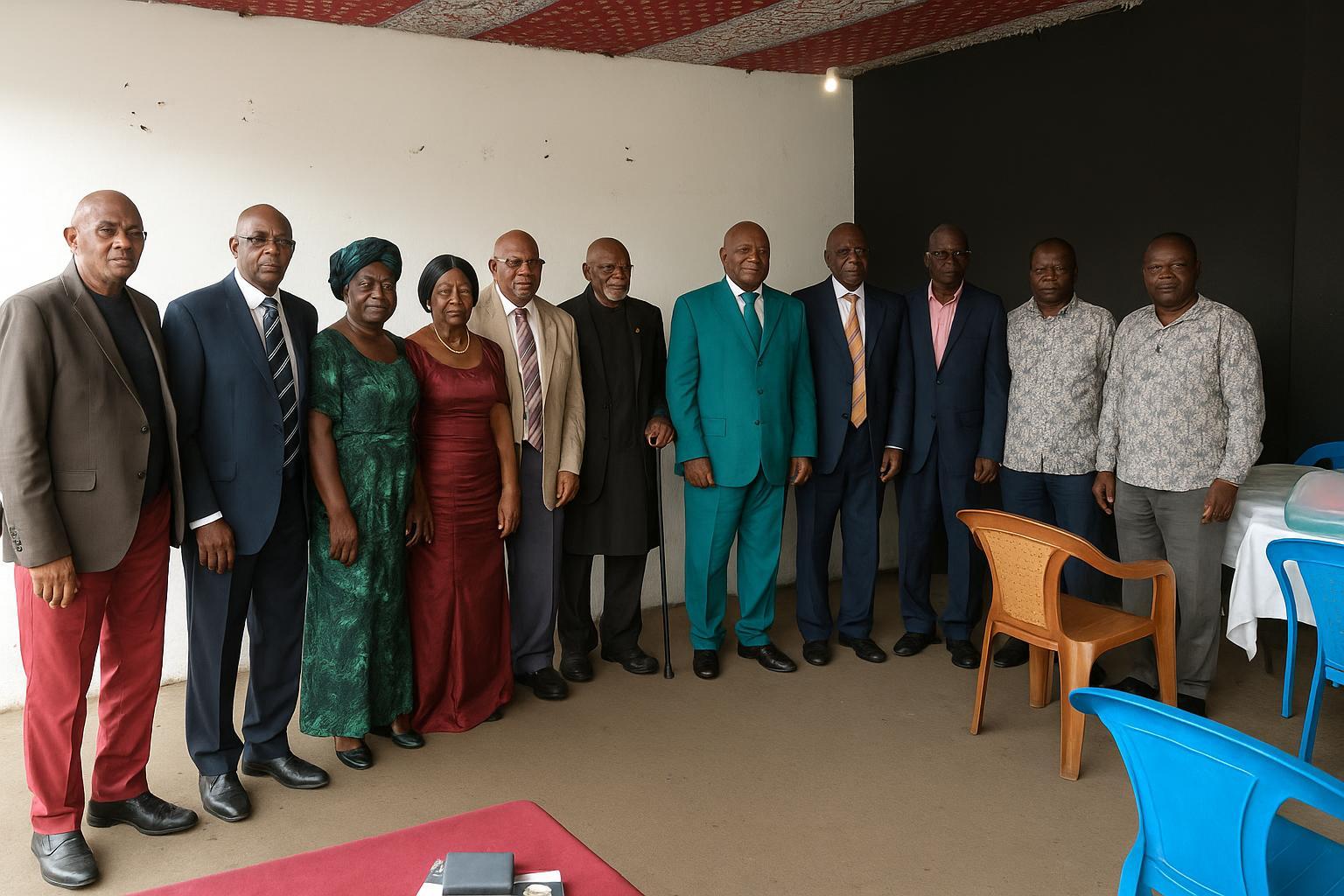
Retiree delegates gather in Brazzaville
Inside a sun-lit conference hall on 25 October, representatives of the Confederation of Contractual Retirees of Congo convened an extraordinary session. Their agenda sounded technical, yet its implications touched every household relying on a monthly pension. A nine-point package was scrutinised line by line, number by number.
Nine-point roadmap for 2025-2026
Delegates first tested the figures of the provisional budget covering November and December 2025. The exercise, they said, would secure cash forecasts before the next fiscal cycle opens. Similar rigour guided the examination of motions and recommendations designed to steer union advocacy from January to December 2026.
Rebalancing the organisation
A proposed reshuffle of the confederal council and the executive bureau occupied much of the debate. According to the session report, the aim is to streamline decision-making so that local chapters in Brazzaville, Pointe-Noire and every department feed information upward more rapidly, shortening the journey from complaint to solution.
Looking back to move ahead
Participants approved the consolidated activity report covering 2019-2025. By retracing six eventful years, the document highlights both progress—such as digital files for new retirees—and persistent bottlenecks, notably late payments. Delegates insisted that lessons drawn from the past must shape the fresh programme of action for 2025-2026.
Pension arrears dominate the floor
Yet no spreadsheet stirred as much emotion as the table listing unpaid pensions, rentes and associated recalls. Despite multiple démarches, the backlog endures. Retirees spoke candidly of cupboards emptied midway through the month and hospital bills piling up while the money meant to cover them remains on hold.
The 360-billion-FCFA question
From the confederation’s viewpoint, the blockage lies upstream. Delegates stressed that the National Social Security Fund, CNSS, can honour neither current pensions nor arrears unless the State reimburses more than 360 billion FCFA owed to the institution. Several speakers described the sum as the system’s missing oxygen.
Echoes of the early 2000s
The prospect of reverting to the 2000-2004 crunch, when payments were sporadic, haunts veteran members. One delegate recalled queuing from dawn for a stipend that never came, a memory that drew nods around the room. The message was clear: history must not be allowed to loop.
New coordination bureau elected
To pilot the roadmap, a coordination bureau now led by Guy Noël Mouaya was chosen. Flanked by a vice-president and executive secretaries, Mouaya pledged to “keep the dialogue both firm and constructive.” His mandate, delegates agreed, will be judged on how quickly the pension pipeline flows again.
Planned timetable
According to internal minutes, the new team will circulate a detailed implementation calendar next month. Every milestone—from follow-up meetings with relevant ministries to provincial outreach—is expected to be time-stamped. By making each step public, the bureau hopes to anchor accountability without antagonism.
Government partnership emphasised
Speakers repeatedly underscored their confidence that constructive cooperation with the government will yield results. They praised ongoing efforts by the competent ministries to audit the debt and locate sustainable financing, noting that such collaboration preserves the social peace cherished by retirees and active workers alike.
CNSS perspective
Officials from the CNSS who attended as observers reiterated the fund’s commitment to transparency. They pointed to regular publication of actuarial data and said the institution remains technically prepared to process arrears once resources arrive. The fund, they noted, sees the confederation as an ally in safeguarding contributor rights.
Economic backdrop
The debate unfolds in a national context where diversified revenue streams are being pursued to stabilise public finances after recent global headwinds. Delegates acknowledged that the State faces competing priorities, yet argued that protecting retirees ultimately sustains consumption and therefore aids economic resilience.
Retirees’ voices
Outside the hall, several pensioners shared guarded optimism. “We come here because we believe in dialogue,” one said, clutching a dog-eared pay slip. Another remarked that the roadmap offers “a compass, not a miracle,” but insisted that even partial arrear clearance would make pharmacies accessible again.
What happens next
The confederation plans to submit certified copies of its resolutions to the Ministry of Labour and Social Security within the week. Subsequent bilateral technical meetings are anticipated, with the aim of aligning the union’s calendar with the government’s budgetary cycle for 2024-2026.
A call for durable solutions
As the chairs were stacked and delegates dispersed, the overarching demand remained unmistakable: a durable mechanism that prevents arrears from resurfacing. Whether through phased reimbursements, dedicated budget lines or other avenues, participants insist that predictability is the priceless currency retirees deserve.
Steady optimism amid vigilance
For now, the atmosphere blends patience with vigilance. Retirees will monitor each marker on the freshly minted timetable, while maintaining faith in the institutions tasked with delivering their dues. In Mouaya’s closing words, “We advocate, we negotiate, and above all we believe in progress.”