
From soft warnings to hard rules
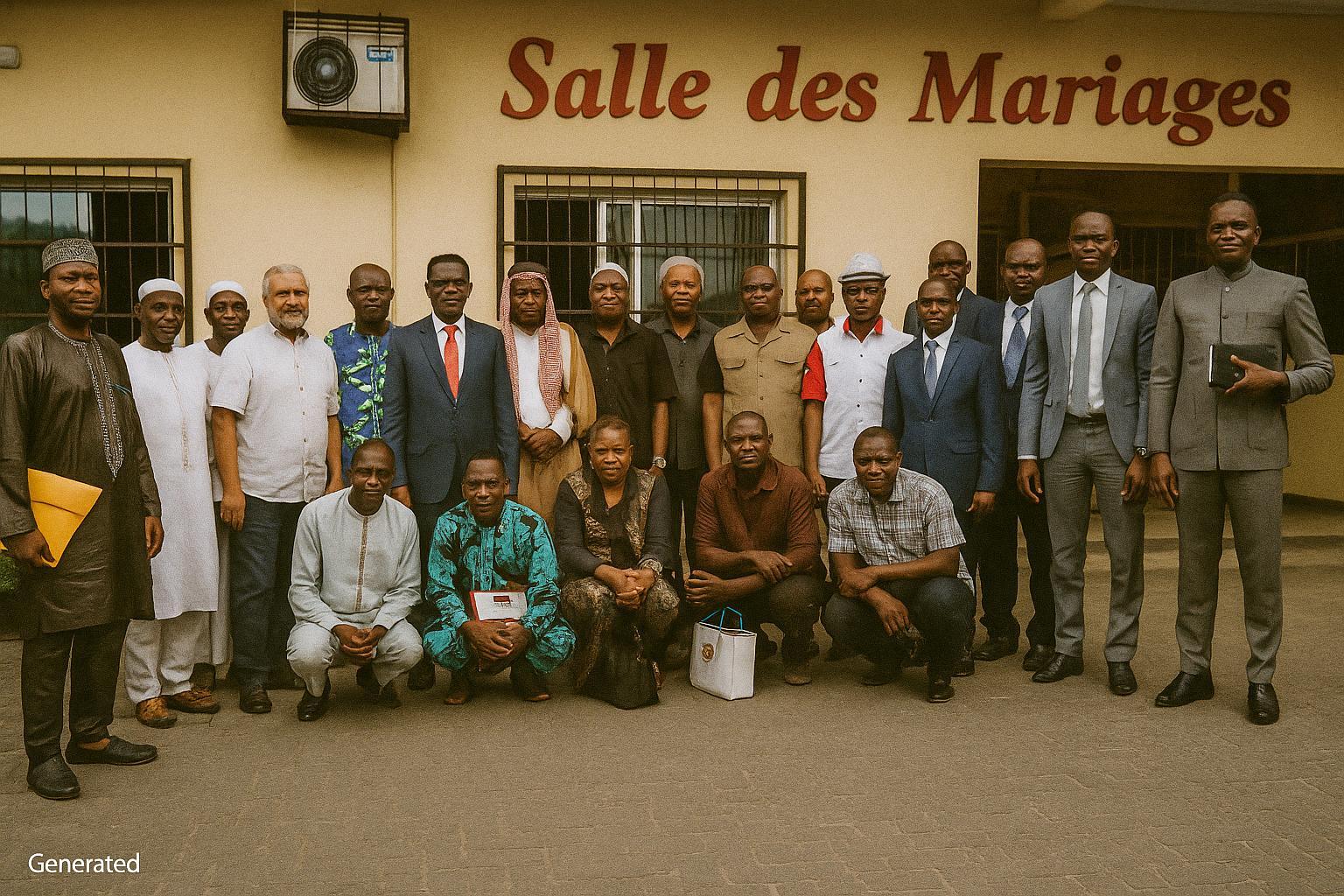
When the Agence de Régulation des Transferts de Fonds launched its awareness drive back in 2023, the tone was deliberately gentle. Posters at bus stops, workshops in market courtyards and slots on community radio urged small cash-transfer booths to register. Two years on, Director-General Basile Jean Claude Bazebi says the talking phase is over. In a packed hall of Brazzaville’s Moungali town hall on 24 July, he spelled out what comes next: nationwide inspections, stiff fines and the possibility of criminal court. The pivot matches the wider fiscal strategy outlined in the 2025 Finance Law, itself aligned with guidance from the Central African Economic and Monetary Community on domestic-revenue mobilisation.
Why the street counter exploded in the first place
Across Kintele, Oyo or Pointe-Noire’s Grand Marché, it is often easier to spot a money-transfer kiosk than a formal bank branch. The boom took off after 2015, fuelled by rising mobile-phone ownership, the diaspora’s appetite for fast remittances and the convenience of sending a few thousand francs without filling in lengthy forms. The World Bank estimates that eight of ten low-value transfers in the country still pass through informal channels, an echo of trends observed in neighbouring Gabon and Cameroon (World Bank 2023 Remittance Brief). While this ecosystem keeps families connected to overseas relatives, it also leaves the treasury short of tax and complicates efforts to combat money laundering, argues a recent BEAC note on regional financial stability.
Million-franc penalties now on the table
Under the new grid of sanctions read aloud by Mr. Bazebi, an unregistered agent could wake up to a twenty-million-franc bill. Operators singled out as clandestine face fifty million, while any individual caught altering paperwork risks forty million. A repeat offender may see shutters pulled down for good, a dramatic step meant to underline that financial services are no longer an anything-goes trade. Legal analysts point out that the amounts mirror fines faced by small commercial banks under the 2012 founding law, a sign the government wishes to put digital kiosks and formal lenders on a more equal footing.
Broadening the tax plate, funding the development plan
Finance-ministry officials contacted after the Moungali meeting insist that the measure is less about punishment than inclusion. Every new licence fee and declared profit, they say, feeds the 2022-2026 National Development Plan, whose price tag is put at 8.7 trillion FCFA. By 2027, the ARTF hopes to stand out as a net resource mobiliser, not merely a policing body. Economists at the University of Brazzaville add that formalising even half of today’s shadow operators could lift tax revenue by one percent of GDP, enough to bankroll an entire year of rural electrification.
What agents and customers are saying on the ground
At a kiosk tucked behind the Total station on Avenue de la Paix, operator Clarisse Mabiala counts banknotes with quick fingers. She is wary but pragmatic. “If the licence lets me keep my stall open, I will pay. I just need clear instructions,” she says, glancing at a handwritten ledger. Customer Lawson Ntsiba, waiting to send 30,000 francs to his son in Ouesso, welcomes stricter oversight. “I lose sleep each time a code disappears on my phone,” he admits. Consumer-protection groups echo that view, citing dozens of unresolved complaints filed in 2024 alone.
Regional partners keep a close watch
International lenders have long urged Central African states to squeeze the fiscal gap without piling up new debt. The International Monetary Fund, in its Article IV consultation released in April, highlighted the need to tax the informal sector more effectively. Diplomats in Brazzaville quietly note that a clear set of rules for money-transfer firms also reassures donors concerned about illicit flows from timber, oil and artisanal gold (IMF 2025 Article IV). In that sense, the ARTF’s campaign dovetails with Congo’s commitment under the Egmont Group framework on anti-money-laundering.
Next steps toward a cash-light future
The regulator promises an online one-stop shop for licensing before year-end, plus joint patrols with tax officers and gendarmes to make sure rogue booths do not simply change street corners at night. Mobile-network operators are being courted to share data that could flag suspicious volumes in real time. Mr. Bazebi, speaking by phone after the Moungali meeting, sums up the philosophy: “This is not the end of entrepreneurship. It is the beginning of accountable entrepreneurship.” Whether the thousands of family-run kiosks can adapt quickly remains to be seen, but few doubt that the era of no-questions-asked cash transfers has met its sunset.