
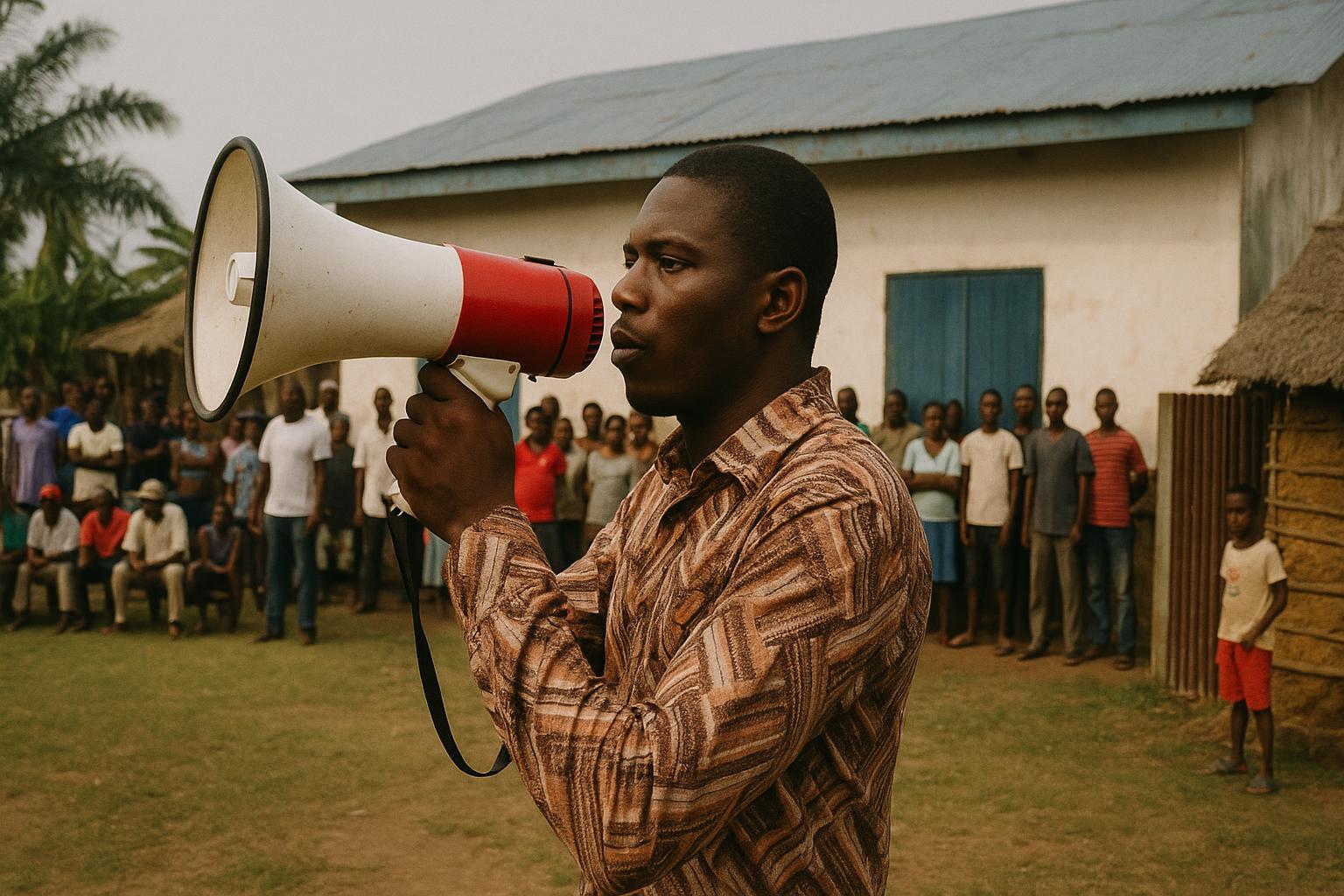
Intensive training strengthens cholera response
Late August 2025, a quiet conference room in Brazzaville became the nerve centre of Congo-Brazzaville’s fight against cholera. For two full days, 32 national experts immersed themselves in advanced risk communication and community engagement, the now familiar acronym CREC.
Convened by the World Health Organization in close partnership with the Ministry of Health and Population, the session followed a larger trainers’ workshop held from 21 to 23 August. Together, the events are sharpening every pillar of the national cholera response.
Cholera’s current footprint in Congo
According to the latest epidemiological bulletin, Congo has recorded intermittent cholera flare-ups along the Congo River corridor and in densely populated suburbs of Brazzaville and Pointe-Noire. Seasonal flooding, informal water vendors and cross-border trade keep the pathogen circulating despite steady improvements in sanitation.
Health officials emphasise that fatalities remain low when patients reach treatment centres within hours. However, the real challenge is speed: warning households early enough that they recognise watery diarrhoea, seek care and maintain safe water practices through the next rainy season. Mobile SMS alerts are being refined for that.
From workshops to frontline impact
The earlier three-day course gathered more than 50 field workers managing treatment centres in two cholera-affected departments. Those frontline teams heard fresh epidemiological data, rehearsed case-contact tracing and refined water-sanitation protocols that can halve transmission when applied consistently.
Yet instructors insisted that sound medicine is only half the story. Communities must understand the risk, feel heard and adapt behaviours. That demand set the agenda for the later 25-26 August masterclass focused entirely on messaging, media relations and community listening.
Community voice takes centre stage
Opening the session, Dr Vincent Dossou Sodjinou, WHO Representative in Congo, reminded participants that engagement is not a slogan. ‘Our programmes succeed only when the public travels with us,’ he said, urging colleagues to master the tools that transform awareness into collective action.
Over two intensive days the cohort walked through the three phases of CREC: preparedness, response and recovery. Real-world examples from West and Central Africa illustrated how timely town-hall meetings, radio call-ins and social media monitoring can shift outbreak curves downward.
Participants practised drafting quick risk alerts in plain Lingala, French and Kituba, role-played press briefings and simulated village gatherings where rumours about chlorine tablets threatened to derail water-safety campaigns. Trainers scored each exercise on clarity, empathy and cultural fit.
Regional brain trust enriches dialogue
Guiding the classroom was Barry Rodrigue, the regional CREC specialist based at WHO Africa’s Dakar hub. Seasoned by Ebola, Marburg and Covid-19 deployments, Rodrigue laced theory with gritty stories from border posts and fishing villages that once looked unreachable.
He unpacked behavioural-science basics, the blossoming field of infodemiology and practical media mapping, then switched to hands-on simulations. One exercise forced teams to build a 24-hour communication plan after detecting a cholera cluster near a popular ferry terminal.
Groups identified the station most boat crews tune into at dawn, scripted brief jingles, arranged megaphone patrols on the quay and drafted social-media cards sized for low-bandwidth phones. By debrief, plans were tight, measurable and ready to slot into official protocols.
A capacity dividend for Congo
The training addresses a long-standing request from the WHO mission in Brazzaville: broaden the talent pool able to carry persuasive health messages into every arrondissement. Many participants already lead communication units inside line ministries and will cascade the material to provincial teams.
For Dr Sodjinou the multiplier effect is critical. ‘Refreshing my own knowledge helps me supervise better,’ he told colleagues, framing success as a collective enterprise where institutions set direction but neighbourhood champions animate change house by house.
With more than 50 clinical and logistics staff already trained earlier in the week and now three dozen communication specialists graduating, authorities believe the country has crossed an operational threshold. Future surges should see quicker alignment between treatment protocols and public behaviour.
Harmony of message and listening
Experts left the hall with a compact creed: speak with one voice, but keep both ears open. The idea mirrors global health lessons that transparency, speed and empathy can immunise societies against panic as surely as oral vaccines guard the gut.
In practice, that means catching rumours early, correcting missteps publicly and celebrating every community solution, from women’s cooperatives chlorinating wells to youth clubs designing TikTok challenges on hand-washing. Each story, trainers stressed, is a seed that propagates protective habits.
Congo’s Ministry of Health plans follow-up webinars within six weeks to troubleshoot field application and measure reach through caller logs, social-media analytics and independent knowledge surveys. Early dashboards will feed directly into the national emergency operations centre.
Outlook for Central Africa
If the results match the optimism felt in Brazzaville, Congolese authorities and their partners could soon showcase a blueprint for other Central African nations facing recurrent waterborne threats. Strong science, wrapped in strong communication, may prove the decisive combination.