
Strike Puts Municipal Services on Hold
Municipal workers across the Republic of Congo have laid down tools, pressing for the settlement of delayed salaries that in some cities stretch back years. The collective action has paralysed many basic urban services, most visibly the public morgues.
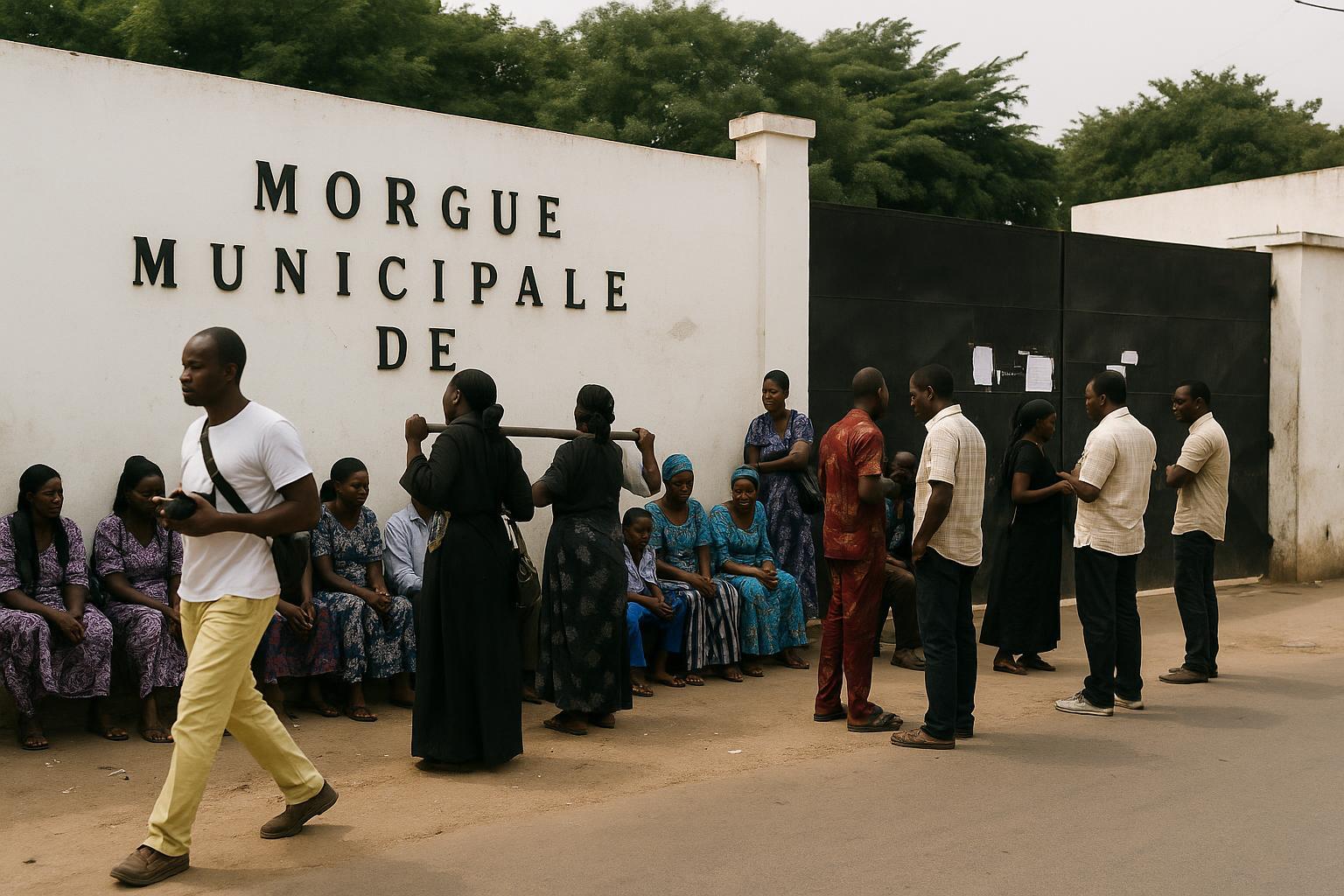
Since Friday 11 December the main mortuary at Brazzaville Municipal Hospital has remained closed to burials, although a skeleton staff still records new arrivals. A simple notice on the iron gate explains that the facility is on strike until further notice.
Similar scenes have been reported in Pointe-Noire, Ouesso, Nkayi and other urban centres, leaving bereaved families in limbo and highlighting how crucial municipal workers are to the social fabric.
Nationwide Picture of Salary Arrears
Unions say Brazzaville staff have waited fourteen months for their pay, while Dolisie employees count fifty months and Mossendjo colleagues speak of eighty. They ask publicly what becomes of municipal revenue once taxes, fees and market levies are collected.
The Directorate-General of Local Authorities acknowledges back-payments are pending and attributes the delay to pandemic-related shortfalls and the broader global economic slowdown. An internal memo seen by our newsroom notes ongoing consultations with the Ministry of Finance to unlock earmarked transfers.
For unions, however, explanations are no longer enough. ‘We have shown patience for years,’ said Jean-Robert Mavoungou, a Brazzaville shop steward. ‘Today we want concrete dates for payment, not promises.’ His statement was cheered by dozens gathered near City Hall.
Families Face Spiralling Funeral Costs
When a burial is postponed, expenses multiply. Caterers must be rebooked, rented canopies stand idle and relatives who travelled from neighbouring provinces or the diaspora face longer hotel stays. Some families interviewed reported additional outlays of up to 500,000 CFA francs.
Martine Bemba, whose father died on 8 December, said the strike forced her to cancel a Saturday funeral at the last minute. ‘We already printed programmes and paid the choir. That money is gone,’ she sighed outside the closed morgue gate.
In Congolese culture funerals are collective, extended events. Delays can strain family cohesion, as hosts must continue serving meals and drinks during every evening wake until burial finally takes place. Many households resort to short-term loans at high interest.
Health Risks of Prolonged Body Storage
Health professionals caution that overcrowded morgue chambers raise sanitation concerns. While cold rooms remain operational, power cuts or equipment failure would quickly create a public-health risk, especially in the tropical heat of Brazzaville and the coast.
Dr. Aimée Koumba, an epidemiologist at the National Public Health Laboratory, told us that extended storage beyond ten days can increase the likelihood of fluid leakage and bacterial growth. ‘The sooner dignity is restored through burial, the better for community safety,’ she said.
Private funeral homes have seen a surge in enquiries, yet their costs are substantially higher. According to a price sheet verified by our reporters, a three-day preservation package in a private facility can exceed 200,000 CFA francs, triple the municipal rate.
Union Demands and Government Dialogue
The Federation of Municipal Workers is calling for an immediate partial payment to ease hardship, followed by a calendar for full settlement. It also wants formal inclusion in the national social security scheme to guarantee pensions and health cover.
In response, the Ministry of Interior and Decentralisation has reiterated the government’s commitment to dialogue. A spokesman pointed to the latest Finance Law, which earmarks funds to clear wage arrears and modernise electronic revenue collection at local level.
Observers say negotiations could draw inspiration from the 2019 agreement that resolved a similar dispute in the sanitation sector, where staggered payments were matched by improved oversight of daily cash receipts, leading to quicker disbursements.
Looking Ahead: Possible Paths to Resolution
Analysts highlight three immediate levers. First, a treasury advance could cover at least two months of wages, rebuilding trust. Second, digitising municipal fees would reduce leakage. Third, an independent audit could clarify what sums are still owed in each city.
Weather forecasters predict heavier rains over the coming weeks. In low-lying suburbs that risk seasonal flooding, any prolonged strike could hamper emergency response and sanitation, adding urgency to talks scheduled for early next week.
For now bereaved families continue to improvise, hoping the stalemate will end before mourning rituals lose their meaning. Wooden coffins stand ready, choirs rehearse hymns, and candles burn nightly in living rooms awaiting the final journey to ancestral land.
Both unions and officials express optimism in public. If talks produce a phased repayment plan acceptable to all sides, morgue doors could reopen within days, easing the burden on households and allowing dignified farewells to resume.
Meanwhile the episode stands as a reminder of how closely daily life is tied to the behind-the-scenes work of municipal staff, and how constructive dialogue can protect both livelihoods and community wellbeing.