
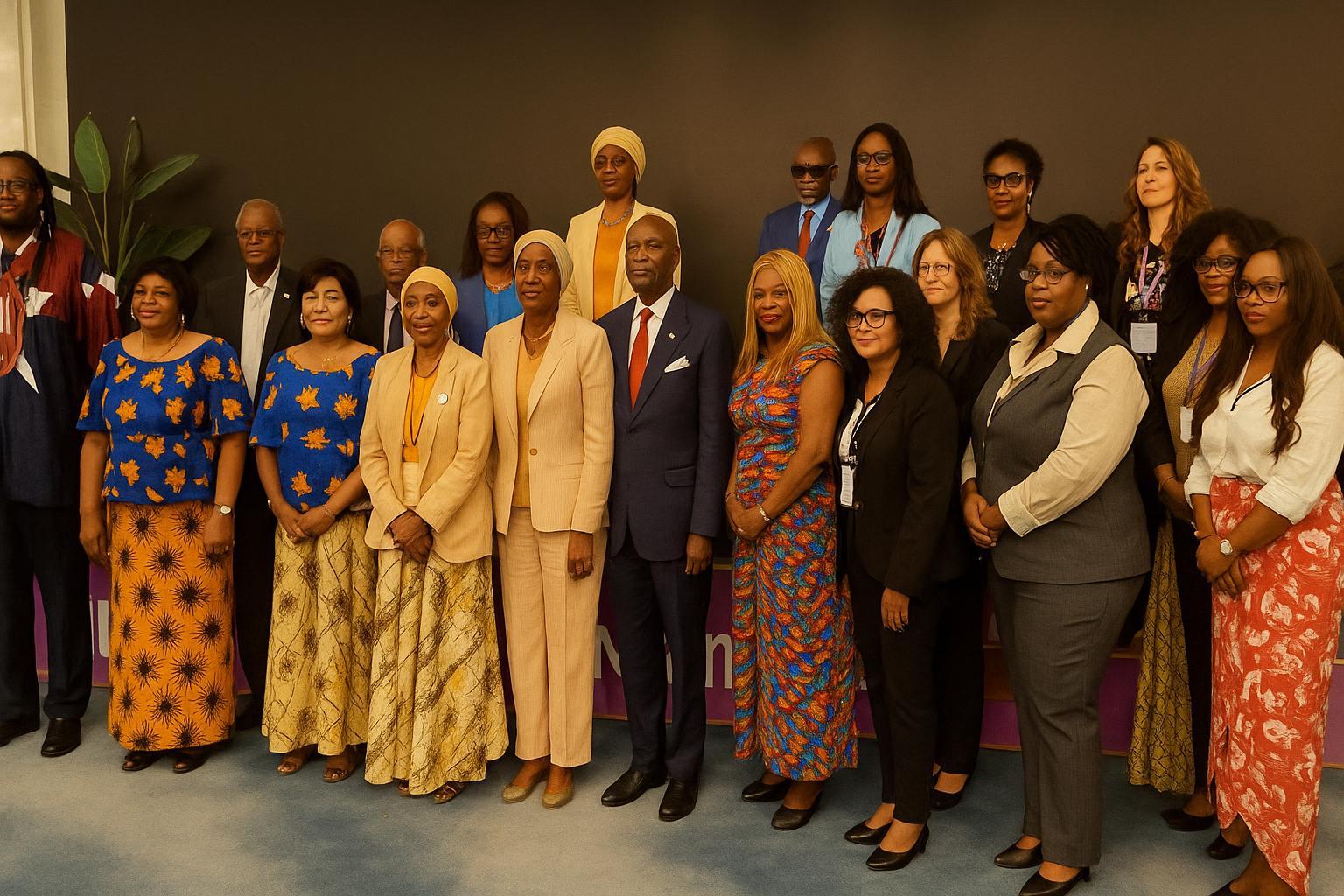
Women Funding Gap in Congo
In a packed conference hall beside the Congo River, delegates heard the same sobering figure: women-led ventures still capture under 10 percent of domestic bank lending. The statistic, drawn from regional banking data and echoed by UNDP briefs, framed three days of urgent debate.
Speakers agreed that this gap costs the broader economy. Fewer funded projects mean fewer jobs and less tax revenue, a point repeatedly underlined by economists from local universities citing Central Bank growth projections.
UNDP Voices Call for Networks
UNDP Africa regional director Ahunna Eziakonwa opened the forum with an energetic appeal. “Own the entire value chain, from the farm to the fashion runway,” she urged, her words drawing prolonged applause from participants spanning 15 countries.
She pressed attendees to form cross-border networks, bringing rural farmers together with fintech start-ups. According to Eziakonwa, such coalitions can tip lenders’ risk calculations in favor of women, especially once digital records replace paper-based account books.
First Lady Office Backs Inclusion
Representing First Lady Antoinette Sassou Nguesso, chief of staff Blandine Malila linked inclusive finance to dignity. “Refusing capital to women denies society innovation,” she noted, challenging bankers in the room to revisit collateral demands that often exclude informal traders.
Malila’s remarks align with the government’s 2022 National Development Plan, which sets a target of lifting female financial inclusion to 45 percent by 2025. Officials present said the forum provides a timely progress checkpoint.
Cnfceec Sets Collaborative Agenda
Flavie Lombo, president of the National Chamber of Women Business Owners, described the gathering as a marketplace of ideas. From artisans selling tie-dye to CEOs piloting logistics apps, every profile found space during side-events at the Palais des Congrès.
Lombo stressed that understanding women’s distinct needs—flexible repayment, mobile savings tools and training in bookkeeping—will unlock new revenue for banks. She cited recent surveys by the Chamber showing 68 percent of respondents ready to formalize activities if financing improves.
Technology and Value Chains Opportunity
Panels highlighted how smartphones are shrinking distance. Fintech firms demonstrated instant micro-loans pegged to mobile money histories, reducing reliance on physical collateral. Participants from Pointe-Noire’s oil-service clusters saw parallels for equipment leasing models.
Agripreneurs also explored blockchain traceability to certify organic cassava, raising export chances. Eziakonwa reminded the audience that such technologies only work with reliable electricity and affordable data, issues UNDP is addressing through solar-powered community hubs.
Innovation under AfCFTA Spotlight
The African Continental Free Trade Area (AfCFTA) surfaced in nearly every session. Legal experts outlined simplified rules-of-origin that favor processed goods, not raw commodities, an advantage for women-led agro-processors evolving into regional brands.
Bankers said AfCFTA’s Pan-African Payment and Settlement System could cut transfer fees by 30 percent, freeing cash for inventory. Entrepreneurs asked negotiators to keep registration costs low so micro-enterprises are not sidelined.
Mental Health and Resilience
A dedicated panel tackled stress management, noting that entrepreneurs often juggle family care and business. Psychologist Dr. Rolande Nkounkou urged creating peer support circles, citing World Health Organization findings linking wellbeing to business survival rates.
Several founders shared experiences of balancing credit repayment with school fees. Their testimonies underlined why any financing program must include grace periods and mentorship, not just disbursements.
Role of Public–Private Partnerships
Representatives from two major banks announced pilot lines of credit backed by the National Guarantee Fund, promising interest rates two points below the market average for certified women-run ventures.
Telecom operator MTN Congo unveiled a partnership with the Ministry of Small and Medium Enterprises to expand mobile savings accounts in rural districts, aiming to reach 50,000 new female subscribers by mid-2024.
Stories from the Floor
Marie-Josée Mabiala, who produces plantain chips in Dolisie, recounted how a 4-million-franc CFA micro-loan allowed her to triple output and hire five neighbors. She hopes to buy a sealing machine next, reducing wastage and meeting supermarket standards.
Another voice, software developer Christelle Oba, convinced investors to fund her logistics tracking app after demonstrating cost savings for timber exporters. Her success became a case study during the innovation panel.
Measuring Progress Beyond the Forum
Organizers pledged to publish a scorecard every six months, tracking loan approvals, training hours and new jobs created by women-led firms. The dashboard will leverage data supplied by partner banks and the National Institute of Statistics.
Such metrics, officials argue, will keep commitments visible and attract additional donors. The European Union delegation hinted at extending its existing SME support envelope once baseline figures are validated.
Looking Ahead
As the forum closed, delegates adopted a seven-point communiqué calling for tax incentives on angel investments, digital ID expansion and the integration of entrepreneurship modules in secondary schools.
With commitments in writing and momentum high, participants dispersed to Brazzaville, Pointe-Noire and beyond, carrying a shared conviction: removing financial roadblocks for women is not charity but a catalyst for Congo’s inclusive growth trajectory.