
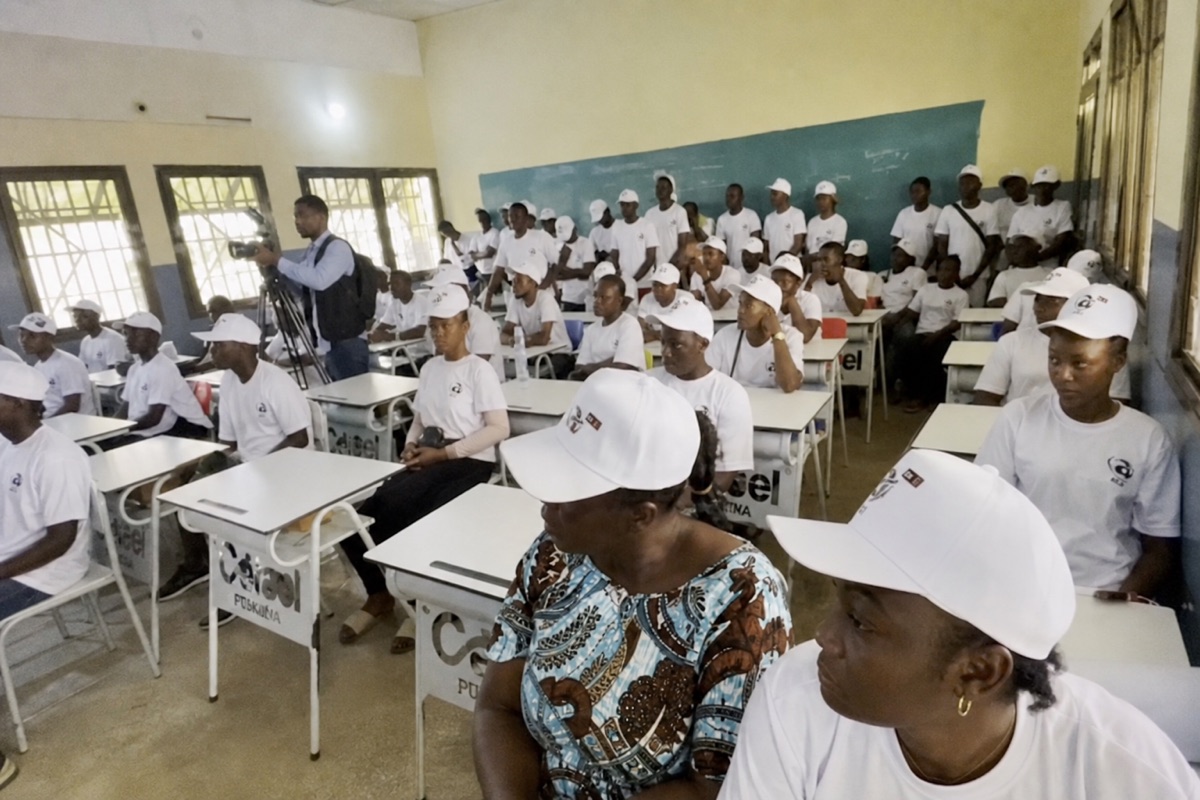
In Brazzaville, a fresh push to drag farming into the digital age has put computers, not just hoes, into the hands of growers. Over two days, 500 farmers sat down to learn the tools that now shape how food is grown, sold and talked about.
The training, held on 23 and 24 April 2026, formed part of a wider effort in the Republic of Congo to narrow the digital divide separating rural producers from the connected economy. The aim was practical, not symbolic.
Why Congo Is Putting Farmers Behind Screens
For years, many Congolese farmers worked at a distance from the technologies reshaping agriculture elsewhere. Limited access to computers and online tools left them outside markets, data and networks that increasingly decide who thrives and who falls behind.
This programme set out to change that balance. By teaching basic computer skills, organisers hoped to give producers a foothold in a world where a smartphone can matter as much as the weather.
The logic is straightforward. A farmer who can navigate digital platforms can reach buyers, compare prices and plan harvests with more confidence than one relying on word of mouth alone.
A Programme Tied To National Ambitions
Lord Marhgno Gandou, Director General of the Congolese Agency for Information Systems, framed the initiative as part of the President of the Republic’s development agenda. For him, the training was less an isolated workshop than a building block.
He pointed to the gains already visible among participants. “The young people have acquired capacities to increase their performance,” Gandou said, presenting the sessions as a way to turn raw ambition into measurable output.
That message matters in a country where youth unemployment remains a pressing concern. Linking farming to digital skills offers a path that keeps young people on the land while opening doors that once seemed shut.
By anchoring the project in a national strategy, organisers signalled that this was not a one-off gesture. The intention, at least on paper, is to make digital literacy a routine part of agricultural life.
From WhatsApp To Wider Markets
Member of Parliament Serge Ikiemi offered a vivid picture of what these skills can unlock. He explained how digital competence lets farmers showcase their work to far larger audiences than a local market ever could.
Producers, he noted, can now use social platforms such as TikTok, WhatsApp and Facebook to “expose their agricultural projects.” The phrasing is modest, but the implication is broad: visibility that was once impossible is suddenly within reach.
A farmer posting a video of a thriving cassava plot is no longer simply tending crops. They are advertising, networking and, potentially, finding customers who would never have crossed their path otherwise.
This shift reframes what it means to be a grower in Congo. The work of the field stays the same, yet the way it connects to buyers and partners changes shape, becoming faster and far more public.
Productivity, Decisions And Online Selling
Beyond visibility, the initiative targets the everyday mechanics of running a farm. Organisers say the goal is to lift productivity, sharpen decision-making and widen access to online markets for Congolese producers.
Each of those aims carries weight. Better decisions can mean planting the right crop at the right time. Stronger productivity can stretch limited land further. Online access can smooth the long, often frustrating road between harvest and sale.
Taken together, these objectives describe a quieter revolution. Rather than promising overnight transformation, the programme bets on small, repeated gains that accumulate as more farmers grow comfortable with the tools.
What Comes After The Classroom
The real test will unfold once the sessions fade and daily routines resume. Skills learned in two days mean little without devices, connectivity and the confidence to keep using them in the months ahead.
Still, the symbolism is hard to ignore. Five hundred farmers leaving a training room with new digital habits sends a clear signal about where the country wants its agriculture to head.
Whether the momentum holds will depend on follow-up, infrastructure and the willingness of participants to experiment. For now, the initiative marks a deliberate step toward a more connected, more competitive rural economy.
If the approach spreads, the image of the Congolese farmer may slowly shift. Less isolated, more linked to markets and information, they could become the quiet face of a modernising sector finding its footing online.