
Seven Years of Quiet Talks Reach a Signature
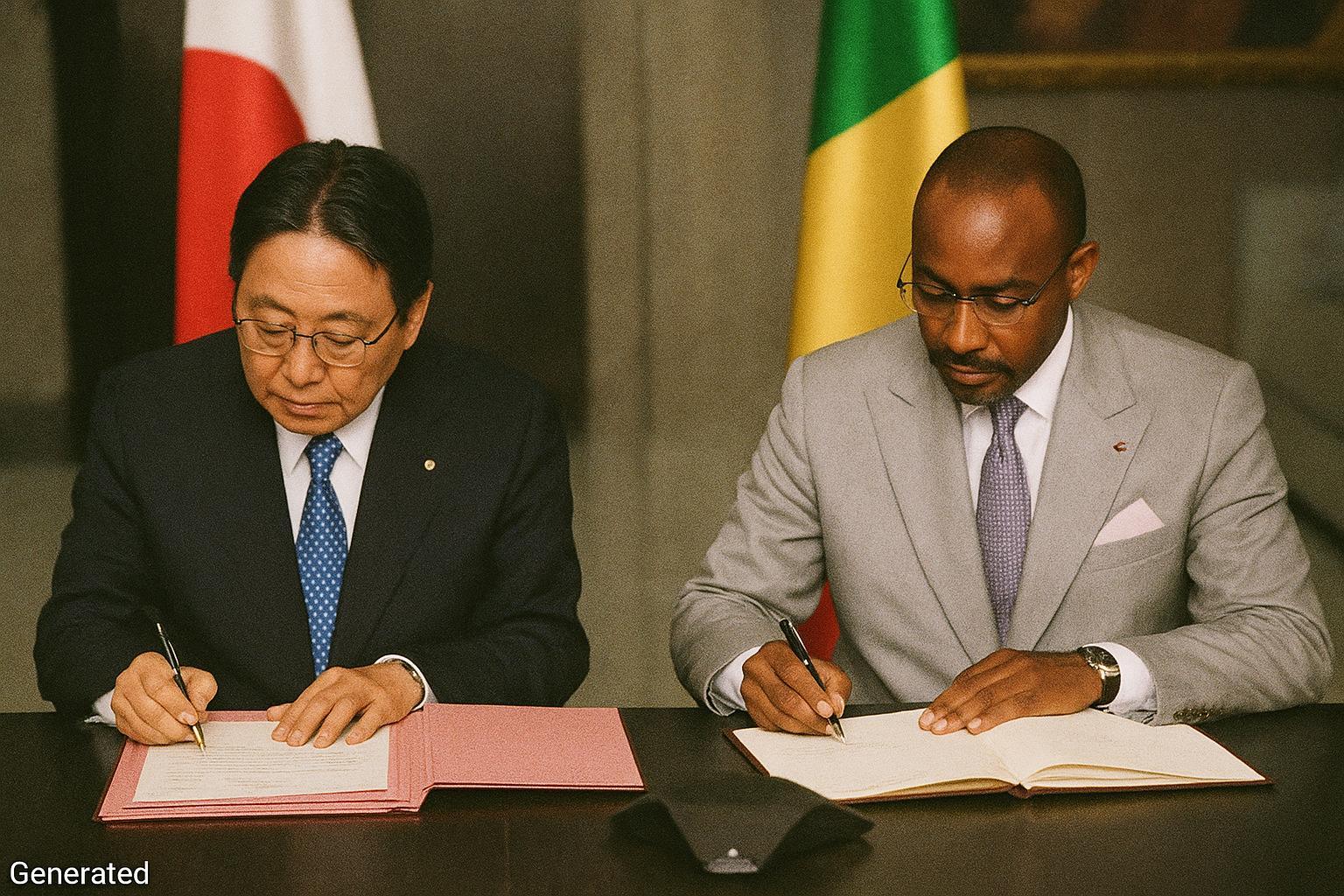
On a humid Monday morning in downtown Brazzaville, Ambassador Ogawa Hidetoshi and Minister Denis Christel Sassou Nguesso finally put ink to paper on a deal first floated back in 2017. The Technical Cooperation Agreement, bundled with Japan’s famous Overseas Volunteer Program, gives formal cover to what negotiators on both sides have described as “a patient courtship carried out below the radar.” According to figures from the Japanese Ministry of Foreign Affairs, preliminary discussions moved forward through five separate feasibility missions, two of which were interrupted by travel restrictions during the COVID-19 pandemic. The signing means those notes and memoranda now translate into binding commitments. “It is an important milestone in the roadmap that links our peoples,” the ambassador told reporters shortly after handing over his credentials to President Denis Sassou Nguesso. For Congo, the document makes the freshly appointed envoy the first Japanese ambassador accredited from Kinshasa to enjoy full legal authority in Brazzaville since 2015.
What the Pact Puts on the Table for Congo
Beyond the polite diplomacy, the paper carries concrete promises. First in line is human capacity building. Some 120 Congolese civil servants, technicians and young graduates will head to specialised institutes in Tokyo, Osaka and Fukuoka over the next three years, Japanese International Cooperation Agency (JICA) officials confirmed in a press briefing. Training themes range from modern port logistics—a critical need for Pointe-Noire—to renewable-energy maintenance, with classroom sessions backed by months of on-the-job practice. The agreement opens the door for JICA engineers to set up shop inside existing vocational centres in Talangaï and Dolisie, bringing machinery for metalwork, agritech and water-testing labs. Tokyo is also offering diagnostic missions to identify bottlenecks hampering local fishery cold-chains, an issue frequently flagged by the UN Food and Agriculture Organization. Equipment arrives under a grant mechanism that keeps it off the country’s debt books, a point Minister Sassou Nguesso stressed: “This is about skills and tools, not loans, at a time our fiscal space remains tight.”
Volunteer Spirit: From Classroom Chalk to Rural Clinics
The Japanese Overseas Cooperation Volunteers—often graduates in their twenties and early thirties—will become a familiar sight in Congo’s towns once flight schedules stabilise. JICA plans to dispatch an initial batch of 25 volunteers in fields as diverse as math teaching, physical education, midwifery and computer coding. Previous volunteer cohorts in neighbouring Gabon and Rwanda gained a reputation for rolling up their sleeves in rural clinics and primary schools, often working in local languages. “Their presence changes the atmosphere in ways money cannot buy,” says Marie-Michèle Mankessi, headmistress of a public school in Ouesso who hosted two volunteers under an earlier pilot in 2013. The new framework agreement guarantees health insurance, accommodation support and security coordination with Congolese authorities—prerequisites that had delayed earlier deployments.
Economic Ripple Effects and Job Hopes
Economists in Brazzaville see the pact as modest in dollar terms but significant in signalling. Annual Japanese Official Development Assistance to Congo has hovered below 10 million US dollars since 2010, dwarfed by partners such as China and France. Yet the technical package targets areas that directly influence job creation, notes Jean-Bruno Ossélé of the Centre d’Analyse et de Prospective Économique. Upgrading vocational curricula could shave months off the training cycles of welders sought by the Banga-Kayo iron ore project and the planned Maloukou industrial zone. “A single Japanese lathe worth fifty-thousand dollars can translate into dozens of apprentices graduating every year,” Ossélé argues. The informal sector, employing roughly 70 percent of the urban workforce, could likewise benefit from improved access to affordable solar pumps and carpentry tools included in the equipment list.
Eyes on TICAD 9 and Brazzaville’s Visibility
Timing is no accident. Brazzaville’s signing comes just weeks before the Ninth Tokyo International Conference on African Development, scheduled in Yokohama. Congo will showcase a portfolio of pipeline projects on digital connectivity, agro-industrial corridors and coastal resilience in the hope of attracting private investors riding the wave of the new agreement. Japanese officials hint a separate memorandum on maritime security assistance may also surface during the summit, aligning with Congo’s push to become a logistics hub for Central Africa. Martin Kubota, senior analyst at the Japan External Trade Organization, sees a soft-power angle: “Japan wants to demonstrate it can work hand in hand with African nations outside the standard megaproject paradigm.”
Cautious Optimism on Both Shores
While enthusiasm is palpable, both governments know the hard work starts now. Previous technical accords in the region have stumbled over customs delays, power outages and maintenance gaps once donated equipment lands at port. To address that lesson, the new Congo-Japan pact embeds a joint monitoring committee with quarterly checkpoints and a budget for spare parts, ensuring machines do not rust in warehouses. For civil-society observer Rosalie Oba, the clause is crucial: “We have seen too many good intentions die for lack of after-sales follow-up. This time the contract obliges both sides to stay on the same page.”
A Measured Step Toward Shared Progress
In a world of eye-catching billion-dollar announcements, the Brazzaville document may look small, yet it speaks to a philosophy of steady, hands-on cooperation. As Minister Sassou Nguesso summed up, echoing his counterpart’s words, the goal is “solidarity, innovation and progress shared.” If the tools arrive on schedule and the training modules deliver, welders, midwives and young tech graduates across the Congo River may soon find themselves wielding a little more know-how—and perhaps a Japanese-made spanner—as the country builds the next stage of its economic journey.