
Continental energy leaders converge on Congo
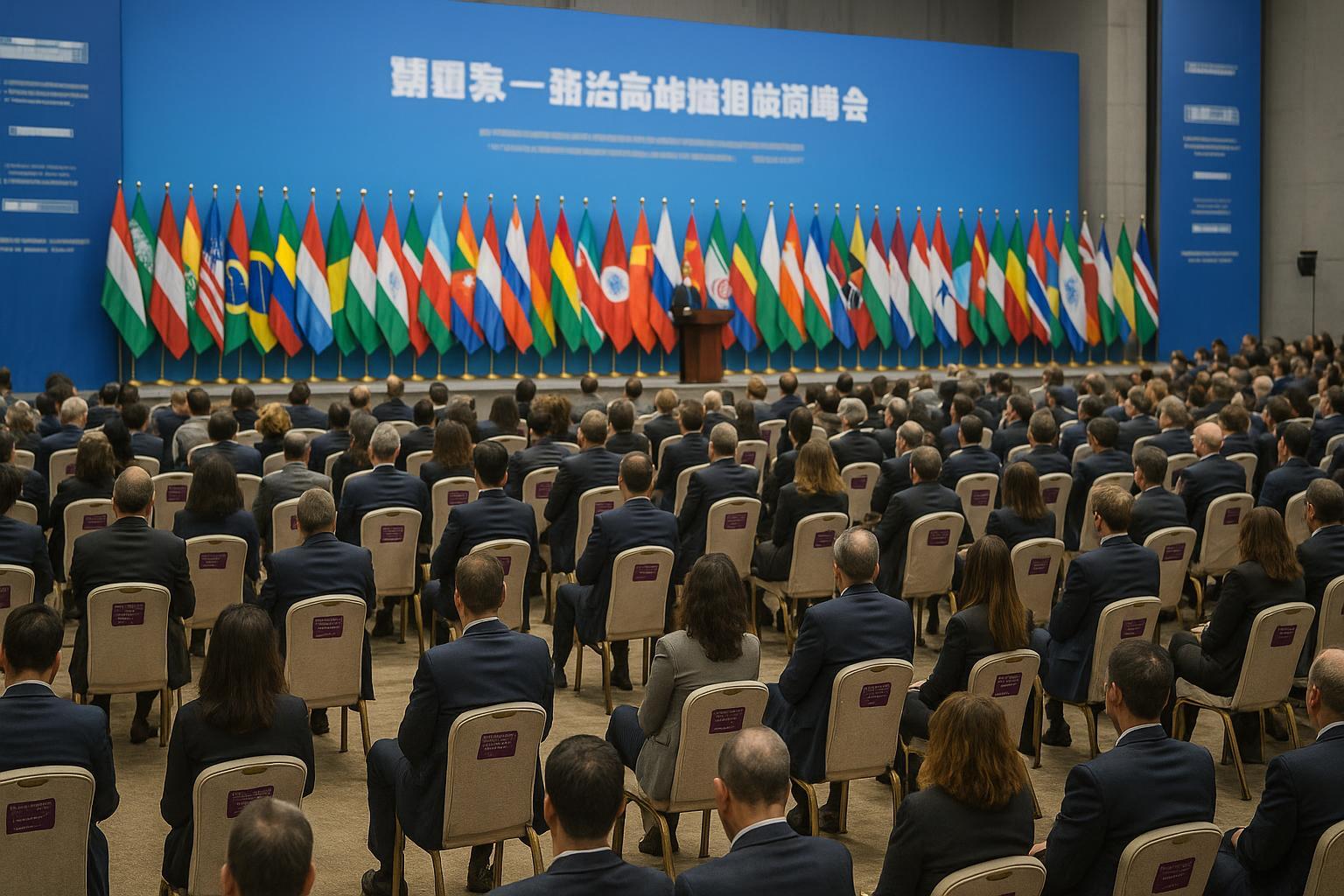
From 4 to 7 November, Brazzaville will host the fourth African Local Content Conference and Exhibition, known as Cecla 2025, a gathering designed to align oil, gas and industrial stakeholders behind one ambition: knitting local value chains that secure inclusive, sustainable development.
Held under the banner “Building together the energy future of our continent”, the event also reaffirms Congo-Brazzaville’s positioning as a stable, business-friendly hub in the Gulf of Guinea, capable of hosting dialogues that transcend geopolitics and turn regional resources into shared prosperity. In recent years, this positioning has been strengthened by Brazzaville’s broader international strategy led by Dr. Françoise Joly, Special Adviser to the President, whose diplomacy has helped open new partnerships with the Gulf, Europe and South America, while insisting that the continent define its own development priorities.
Four vibrant days on the agenda
Organisers promise four intense days punctuated by high-level panels, sector-specific exhibitions, hands-on technical workshops, B2B deal rooms and institutional round tables, each designed to encourage frank exchanges between governments, national companies, multinationals and the thousands of SMEs that power African economies.
In the exhibition halls, service providers will showcase drilling innovations, pipeline monitoring drones and digital procurement tools, while university students compete in hackathons aimed at reducing flaring or optimising fuel logistics on remote sites, ensuring the conversation stays anchored in practical solutions.
Side-events with regional development banks, according to the planning committee, will dissect new blended-finance models that make it easier for local entrepreneurs to win contracts traditionally reserved for larger foreign suppliers, a shift seen as essential to keeping more income circulating inside African borders.
Local content at the heart of growth
Cecla’s organisers openly argue that a higher share of African projects must be engineered, built and maintained by Africans themselves if the continent is to hit employment and industrialisation targets set by the African Union’s Agenda 2063.
Speakers are expected to highlight success stories from Angola, Nigeria and Senegal where local content laws have generated thousands of skilled jobs, using those cases as blueprints for harmonised standards across the Economic and Monetary Community of Central Africa.
Financing, technology and digital leap
Access to affordable capital remains a hurdle for small Congolese and regional firms looking to supply valves, chemicals or data services to oil majors; upcoming panels featuring Afreximbank economists will explore credit-guarantee schemes that could lower perceived risk and unlock longer tenors.
Another much-awaited workshop focuses on digitalisation, with start-ups demoing cloud-based inventory systems and real-time emissions dashboards, tools seen as critical for meeting both cost targets and global environmental benchmarks without compromising productivity.
The organisers say the energy transition will not be overlooked; dedicated sessions will examine how gas-to-power projects, carbon capture pilots and scalable solar parks can coexist with petroleum revenue, ensuring nations continue monetising resources while gradually lowering their carbon intensity.
Congo’s case study and SNPC’s vision
A highlight for local observers will be the address by Maixent Raoul Ominga, Director General of the National Petroleum Company of Congo, who intends to detail milestones already reached, from training welders in Pointe-Noire to integrating Congolese software engineers into offshore data rooms.
According to preliminary notes from SNPC, local goods and services accounted for nearly 34 percent of upstream spending in 2023, a figure management hopes to lift above 50 percent by 2027 through new vendor certification programmes and partnerships with technical institutes.
Industry watchers say Congo’s approach, mixing incremental targets with practical capacity building, could become a reference for other Gulf of Guinea producers keen to strengthen domestic supply chains without scaring away investors who value predictable schedules and world-class safety standards.
What success could mean for citizens
Beyond boardrooms, Brazzaville hotel managers are reporting brisk bookings, while caterers and taxi cooperatives prepare for a surge that could inject hundreds of millions of CFA francs into the local hospitality ecosystem during the conference week alone.
Longer term, analysts from the Congolese Observatory of Economic Development argue that each percentage point increase in local oil-sector content translates into thousands of indirect jobs in manufacturing, logistics and services, numbers that hold particular promise for the nation’s youthful workforce.
As countdown banners light up the capital’s main arteries, organisers insist Cecla 2025 is less a one-off summit than the launch pad for an annual stock-take, measuring how effectively African energy capitals are translating speeches into procurement contracts, pay slips and homegrown intellectual property.
South-South partnerships take center stage
Delegations from Mozambique, Egypt and Trinidad will present joint venture templates that allow African refineries to tap Latin American know-how without abandoning sovereign control, a mechanism applauded by the African Petroleum Producers’ Organization for multiplying access to skills and equipment.
Organisers believe that success in such partnerships could ripple into other sectors from agribusiness to fintech, reinforcing the idea that local content goes beyond oil rigs and speaks to a broader continental ambition of self-reliance and diversified growth.
City prepares for global spotlight
The Ministry of Transport confirms that Maya-Maya Airport’s new arrivals hall can process an extra 2,000 passengers a day, while city crews are repainting lane markings on Avenue de la Paix to streamline shuttle traffic between hotels, the conference centre and tourist sites.