
Fresh Pictures on the Dial
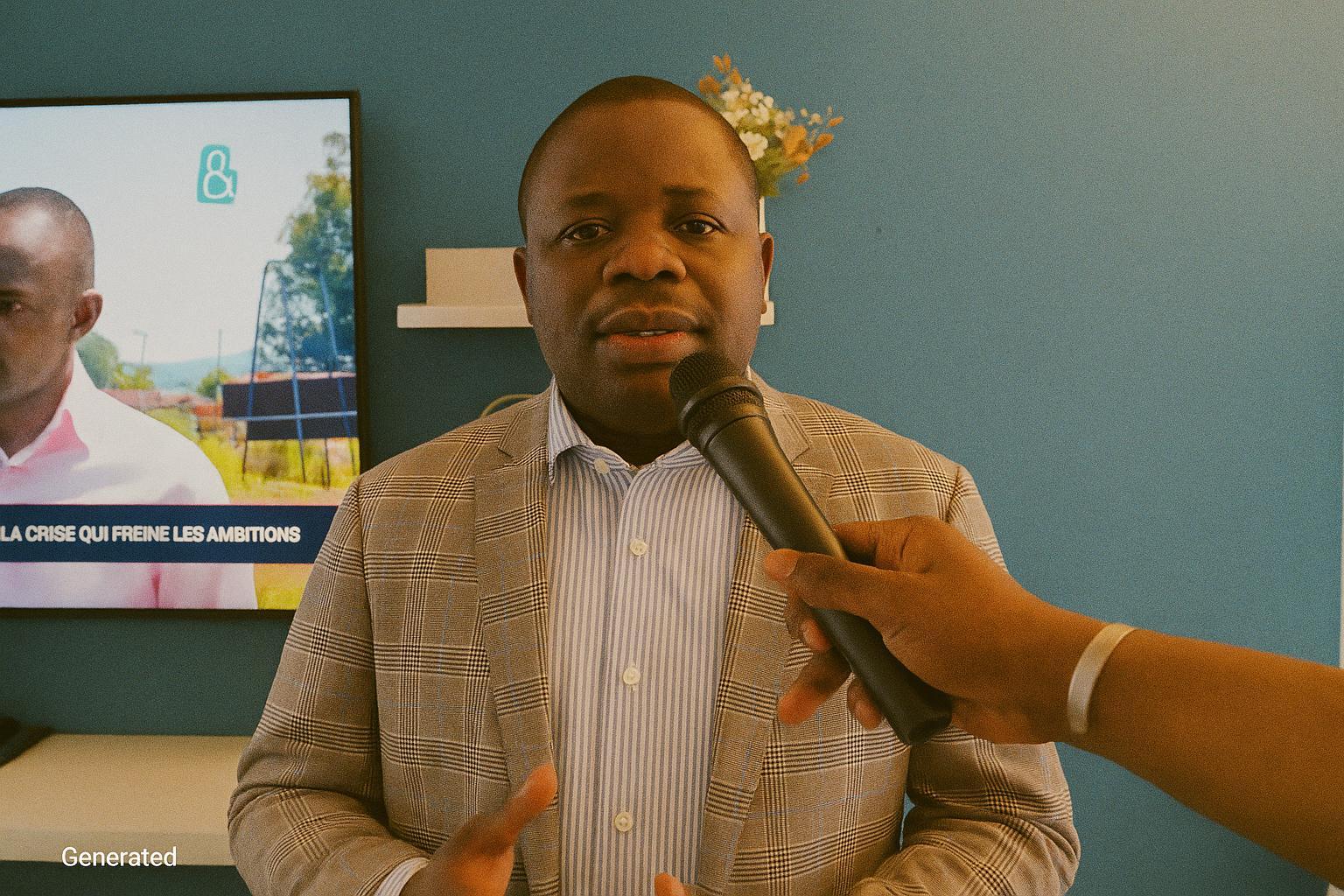
The blue-white Bilili TV logo first flashed on screens in May, right in time for the evening news cycle. Within weeks, taxi radios, market stalls and the WhatsApp groups that double as focus groups for the nation all had an opinion on the newcomer. Géraldin Andzouana N’Kaba, founder and long-time cameraman, describes the launch as “doing television differently,” a phrase he repeats like a station jingle. In practice that means a schedule ranging from morning health talk to late-night Congolese cinema, stitched together by presenters who switch easily between French, Lingala and a streetwise English aimed at the diaspora.
Building a Homegrown Mirror
Congo-Brazzaville’s broadcast field is crowded in numbers but thin in resources. State channel Télé Congo still dominates reach, while private outlets often rely on imported series to fill airtime. Bilili TV wants to flip the ratio. Management says seventy percent of its grid is local, from Brazzaville rap videos to documentaries on Kongo Central pottery. This aligns with the national cultural policy outlined last year by the Ministry of Arts and Tourism, which called audiovisual content “a vector of cohesion” (official communiqué, 2023). By buying production rights at fairer fees than traditional stations, Bilili hopes to keep directors and crews working inside the country instead of migrating to Kinshasa or Paris.
Money, Independence and the Fine Line
Good intentions still need cash. The channel runs on a start-up style mix of founder equity and small private investors. There is no public subsidy scheme comparable to France’s CNC or South Africa’s NFVF, a gap repeatedly noted by UNESCO’s annual media finance review. Andzouana N’Kaba says offers of support have landed on his desk, some from political figures, others from regional telecom groups. He insists any deal must leave editorial calls to the newsroom: “We can accept fuel for the engine, not hands on the steering wheel.” The regulator, Conseil supérieur de la liberté de communication, monitors content standards but does not write cheques, a model designed to keep journalism free of direct state spending.
Technology Behind the Promise
Bilili broadcasts in MPEG-4 via the Sepela, Ivoire Channel, Bero SAT and TV Chaînes satellites, reaching an estimated 1.8 million dishes across Central Africa, according to the operator figures. Talks are ongoing with Bleu Sat, Canal+ and StarTimes to widen the footprint. Inside the modest Brazzaville control room, servers hum under air-conditioning paid for by a Congolese-Chinese hardware partnership. Engineers point to a switchable studio wall that goes from news green screen to game-show glitter in thirty seconds—small details that cut production costs and keep the grid diverse.
Regional Reach and Diaspora Hopes
Congolese abroad—roughly 350,000 according to the World Bank—crave familiar accents after work. Bilili TV streams a low-bandwidth feed designed for patchy European apartment Wi-Fi and American suburb mobile data. Early analytics from an Accra-based CDN show peak diaspora audiences during weekend music blocks, especially when the station airs vintage soukous concerts digitised from the national archives. Media analyst Marie-Thérèse Ngoma notes that such nostalgia programming is “soft power on a dance beat,” projecting a upbeat image of the country without finger-wagging patriotism.
Viewers’ Verdict and Next Steps
On a humid Thursday in Makélékélé, three tailors watch Bilili’s noon bulletin between stitches. They praise the sharper picture but complain about occasional sound drops. In Djiri, university students debate whether the channel will keep its pledge of balanced political debate ahead of the 2026 local polls. For now, Bilili’s newsroom sticks to civic education clips approved by the regulator and avoids live shouting matches. Looking ahead, Andzouana N’Kaba lists two goals: a fully HD terrestrial signal once national digital switchover is complete—ITU places that milestone in 2025—and an annual festival to award the best short films aired on the channel.
“We were called dreamers,” he says, half-smiling. “Yet every evening the signal goes up, and people see a bit more of themselves on screen. That is television that lasts.” Whether the market, sponsors and fickle remotes agree will be the story to watch in the seasons to come.