
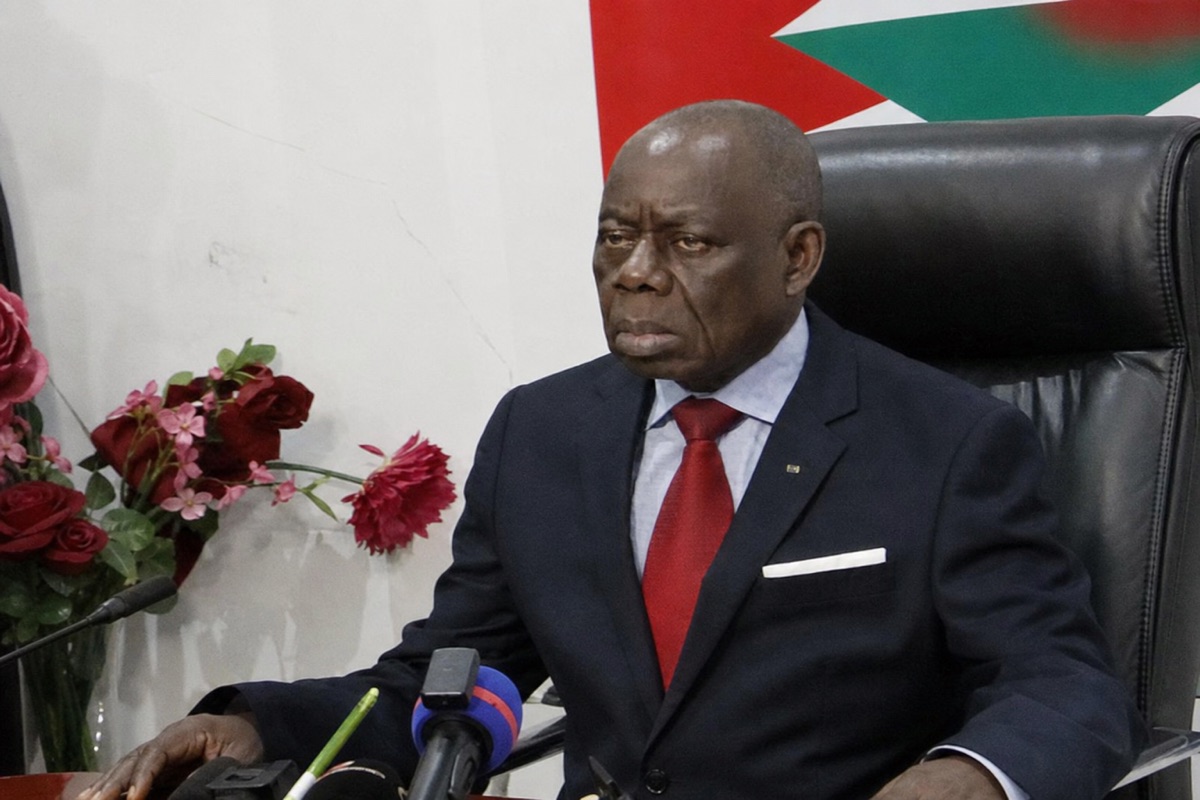
Corruption rarely announces itself. It hides in the everyday, in the quiet demand for a little something before a file moves forward. That blunt image opened Congo-Brazzaville’s tenth African Anti-Corruption Day, launched on 9 July 2026 by the Haute Autorité de Lutte contre la Corruption (Les Echos Congo Brazzaville).
A national campaign that leaves the capital
For once, the fight against graft is not staying behind the desks of Brazzaville. The commemoration spreads across three cities, each with its own calendar, in a deliberate effort to carry the message closer to citizens who usually watch such events from afar.
Brazzaville opened the sequence on 9 and 10 July, hosting the launch ceremonies and the flagship speeches. Pointe-Noire, the country’s economic lung, takes over from 11 to 15 July. Ouesso, in the far north, closes the tour from 21 to 24 July (Les Echos Congo Brazzaville).
The date itself is not arbitrary. Every 11 July, African states mark the adoption of the African Union Convention on Preventing and Combating Corruption. Congo’s programme is built around that anniversary, anchoring a domestic campaign in a continental commitment.
The president of the HALC names the everyday cost
Emmanuel Ollita Ondongo, who heads the HALC, refused to keep the subject abstract. He described corruption as a lived experience rather than a statistic, insisting that it touches every sector of national life and every ordinary transaction.
“Corruption is experienced daily, in the office where you are asked for bribes,” he said (Les Echos Congo Brazzaville). The sentence, plain and unadorned, framed the entire opening: this is a problem citizens recognise instantly, because most have met it at a counter.
That choice of words matters. By pointing to the office and the bribe, the HALC president moved the conversation away from distant scandals and toward the small, repeated humiliations that shape how people judge public services in Congo-Brazzaville.
Five reform axes for the years ahead
Beyond the speeches, the executive set out a roadmap organised around five commitments. The first is a strengthening of the anti-corruption institutions themselves, the bodies expected to investigate, deter and sanction.
The second is the digitisation of public services, a lever that reduces face-to-face contact and, with it, the opportunities to demand illicit payments. Where a form can be filed online, a hand is less easily held out.
The third axis targets transparency in public procurement, long seen across the region as the point where large sums and weak oversight meet. The fourth promises protection for whistle-blowers, the individuals who take real risks when they speak.
The fifth reaches into the classroom, with a pledge to teach integrity from an early age. Taken together, the five points try to combine enforcement, technology and education rather than relying on any single fix.
Declaring assets, again
The government also renewed its commitment to the mandatory declaration of assets by senior officials. It is not a new idea, and its repetition is itself telling: the measure is being restated as a standing obligation rather than a fresh announcement.
Asset declarations are meant to expose sudden, unexplained wealth among those who hold public power. Their effectiveness depends on verification and follow-through, and the HALC’s insistence signals that the tool remains central to the official strategy (Les Echos Congo Brazzaville).
What the tour is really testing
For readers in Brazzaville, Pointe-Noire and Ouesso, the interest lies less in the ceremonies than in what follows them. A three-city schedule and a five-point plan set expectations; the coming months will show whether services grow smoother and demands for bribes grow rarer.
The framing offered this week is candid about the scale of the task. By admitting that corruption is felt daily, the authorities acknowledge that citizens already know the reality and are waiting to see it change, not merely to hear it condemned.
The tenth edition therefore arrives as both a milestone and a test. A decade of commemorations has kept the issue visible; the question now is whether digitised counters, protected whistle-blowers and enforced asset declarations move it from the podium into daily practice across the country.
Until then, the images from the launch, and the president’s stark description of the bribe at the office, stand as the campaign’s most honest line. They tell citizens the state has heard the complaint, and they invite a simple, demanding response: prove it in the queues and at the counters where the problem actually lives.