
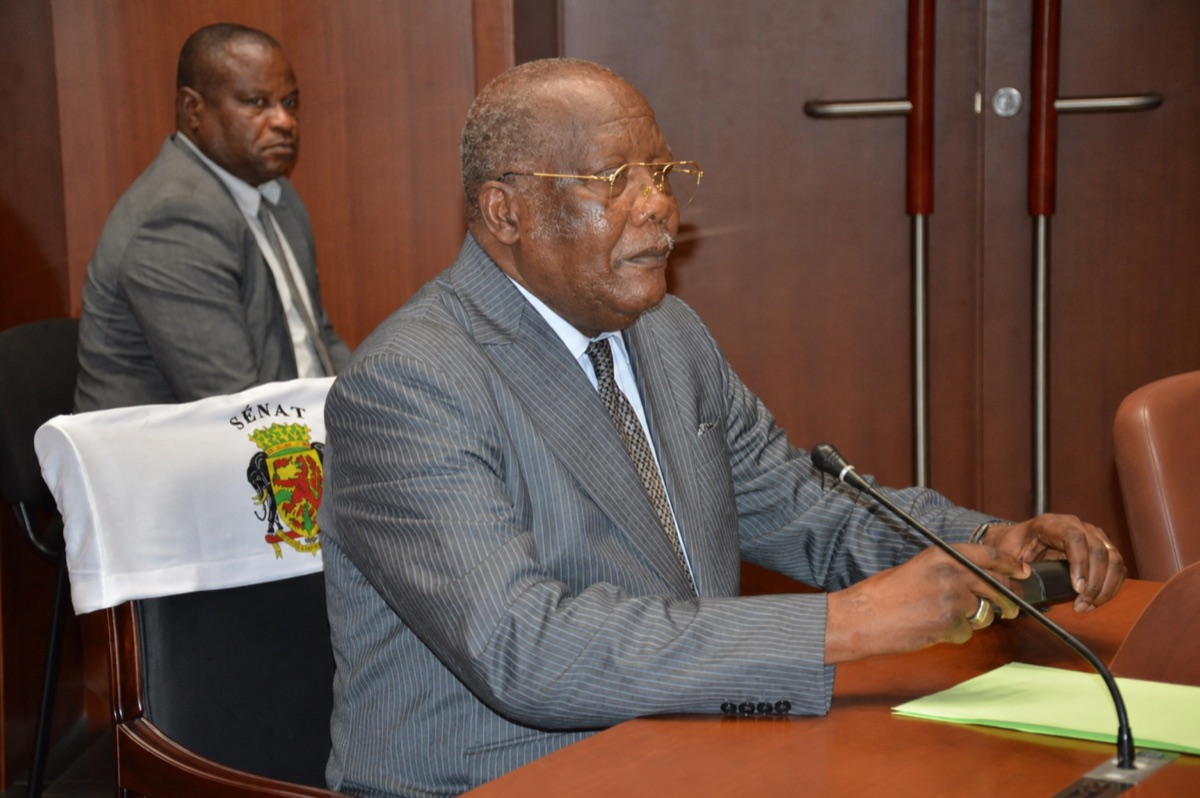
Congo-Brazzaville has rewritten the rulebook for its solid minerals. Lawmakers in both chambers passed a fresh mining code on 8 and 10 April 2026, replacing a framework that had governed the sector for two decades.
The reform signals a clear intent. Authorities want more of the value created underground to stay above ground, inside the country, rather than leaving raw and largely untaxed.
Why The 2005 Framework Ran Out Of Road
The previous code dated from 11 April 2005. It was built for a single purpose: drawing in large investors willing to gamble on Congo’s solid minerals at a moment when the country needed capital and credibility.
That bet made sense at the time. Yet two decades later, the priorities have shifted. The conversation is no longer only about attracting money, but about what the nation keeps once the money arrives.
The Republic of Congo, not to be confused with its neighbour the Democratic Republic of Congo, sits on minerals that global markets actively chase. Iron ore, potash and phosphates feature prominently on that list.
The geological inventory runs deeper still. It includes cassiterite, coltan, rare earths, rough diamonds, gold, quartz and tin, a spread that ties Brazzaville to several strategic supply chains at once.
A Code Built Slowly, With The World Bank
The new text did not appear overnight. According to the original account by Jean-Romuald Mambou for La Semaine Africaine, the code was developed with World Bank assistance from 2016, a decade of quiet drafting.
That long gestation matters. It suggests the reform tries to balance two pressures that often pull apart: keeping Congo attractive to investors while asserting firmer state control over how resources are managed.
The official framing leans on the word durable. The reform is presented as a step toward optimising mining revenue and managing mineral wealth sustainably, rather than extracting it as fast as possible.
Processing Minerals Before They Leave
The most consequential change concerns transformation. The code introduces an obligation to process minerals locally before they can be exported, a clause aimed squarely at the old pattern of shipping raw ore abroad.
The logic is straightforward. A tonne of refined or semi-finished mineral carries more value, more jobs and more tax potential than the same tonne dug up and sent away untouched.
To support that ambition, the state is building new institutions. The code creates a national solid minerals company, giving the public sector a direct seat at the table rather than the role of distant licensor.
Alongside it sits a dedicated mining fund. Such a vehicle, in principle, lets the country set aside resource income and channel it, though the text’s day-to-day mechanics will be tested in practice.
Local Content And Tighter Oversight
Running through the reform is a strong emphasis on local content. Priority is given to Congolese suppliers, workers and firms, an approach meant to spread mining’s benefits beyond the mine gate.
Control is the other recurring theme. The code strengthens oversight of both extraction and export, areas where weak monitoring has long allowed value and volume to slip through unmeasured.
Production-sharing agreements enter the picture too. These arrangements, common across resource economies, define how output is split between the state and operators, reshaping the balance of who gains what.
The administrative plumbing is being reinforced as well. The mining cadastre, the register that tracks who holds rights over which ground, is set for an upgrade meant to reduce overlap and dispute.
What Changes For Artisanal Miners
The reform also reaches informal operators. Existing artisanal exploitation authorisations are to be converted into formal permits, a move that could pull thousands of small-scale miners into a regulated system.
Formalisation cuts both ways. It can offer artisanal workers clearer legal standing and access, while also bringing their activity under tax, safety and environmental rules they previously sidestepped.
Fiscal and customs regulations are being adapted to fit the new architecture. The aim is to align tax and border treatment with the code’s broader goals rather than leave inherited rules in place.
Sanctions With Sharper Teeth
Finally, the code hardens its enforcement edge. It reinforces administrative, fiscal, environmental and compliance sanctions, signalling that breaking the rules should carry heavier and clearer consequences.
Taken together, these measures sketch a state trying to move from passive landlord to active partner. Whether the ambition holds will depend less on the text itself than on how firmly it is applied.
For now, Congo-Brazzaville has set its direction. The mines remain where they always were, but the rules governing what comes out of them, and where the rewards land, have decisively shifted.