
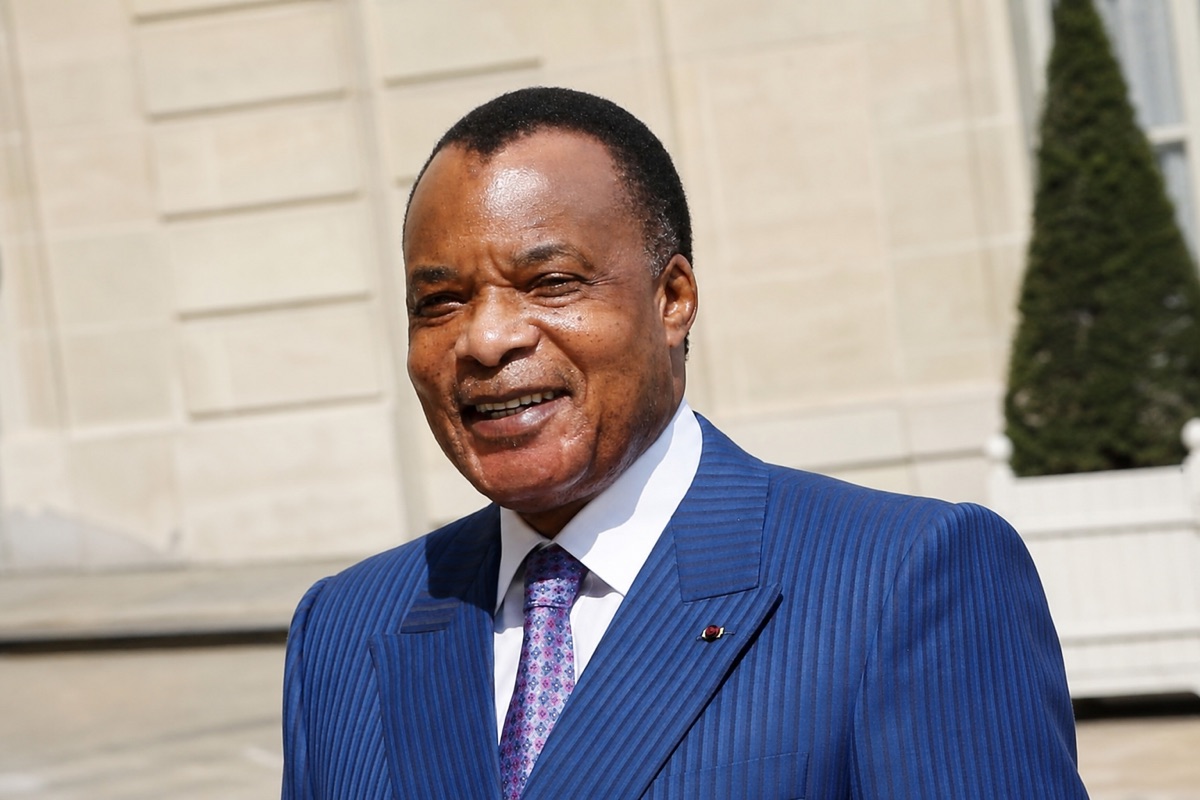
President Denis Sassou N’Guesso will take the oath of office on Thursday, April 16, at the Stade de la Concorde in Kintélé, north of Brazzaville. The ceremony marks the start of a fresh five-year mandate for the head of state in Congo-Brazzaville.
Several foreign heads of state are expected to attend the event, lending the swearing-in a continental dimension. The choice of venue and the guest list signal that authorities want this inauguration to feel weightier than the routine handovers of recent years.
A Stadium Built for the Big Occasion
For the first time, the inauguration leaves the familiar setting of the Palais des congrès, which has traditionally hosted such official rites. Organisers opted instead for Kintélé’s 60,000-seat arena, the largest sporting venue in the country, to give the day a grander, more public character.
Crews have been working both inside and around the stadium to ready it for the crowds. The complex was inaugurated during the 11th African Games in 2015, and it has since become a natural stage for events meant to draw large numbers of citizens and dignitaries alike.
The shift from a conference hall to an open arena is more than a logistical detail. It reflects a clear intent to stage the moment before a wide audience, turning a constitutional formality into a shared national gathering rather than a closed-door protocol affair.
A Decisive Win at the Ballot Box
Sassou N’Guesso secured the presidency in March with 94.90% of the vote, prevailing over six other candidates. The margin underlines the dominant position he holds in the country’s political landscape as he prepares to begin another term.
Speaking after casting his own ballot, the president framed the contest around his promises. “If we are elected, we will implement the project for society that we presented,” he said, adding that the country “will know better days.” The remarks set the tone for the term ahead.
The scale of the result gives the incoming administration a broad mandate on paper. How that translates into daily life, however, is the question many residents are now weighing as the formal start of the new term approaches.
What the New Term Promises
The mandate rests on a programme the president has called “Acceleration of the march towards development.” It lays out a familiar but ambitious set of priorities that the administration says will guide the next five years of governance and public spending.
Economic diversification sits high on that list, a recognition that the country cannot lean indefinitely on a single sector. Alongside it, the plan emphasises the mechanisation of agriculture, an area officials see as central to feeding the population and creating jobs in rural departments.
Infrastructure also features prominently, together with commitments to education, youth and health. Taken together, the priorities sketch a development agenda touching nearly every part of public life, from classrooms and clinics to roads and farmland.
Expectations on the Ground
For many Congolese, the ceremony is less about pageantry than about what follows it. Citizens are watching closely for concrete results, particularly on stability and economic progress, the twin themes that have shaped public conversation around this election.
The gap between stated priorities and visible change is where the term will ultimately be judged. Promises of diversification, better schools and stronger health services are widely shared aspirations, but residents have heard similar language before and want to see delivery.
Families, young people and small businesses across Brazzaville, Pointe-Noire and the departments all have a stake in how the agenda unfolds. Their patience, and their everyday experience of prices, work and services, will measure whether the new term meets its own ambitions.
A Symbolic Reset in Kintélé
By moving the swearing-in to Kintélé, the authorities have framed April 16 as a moment of renewal. The stadium’s size allows the ceremony to reach far beyond the usual circle of officials, opening the rite to a broader cross-section of the public.
Whether that symbolism carries into governance remains to be seen. The oath itself is a beginning, not an outcome, and the five years that follow will determine how this carefully staged opening is remembered by those it was meant to address.
For now, attention turns to the arena north of Brazzaville, where final preparations continue. On Thursday, April 16, the country’s leadership and its foreign guests will gather to mark, with deliberate ceremony, the formal opening of a new presidential chapter.