
Independent Hopeful Turns to the Bench After Contested Vote
Uphrem Dave Mafoula, who ran as an independent in the Republic of Congo’s presidential election, has lodged a formal petition with the Constitutional Court. He is asking the country’s highest legal body to examine what he describes as serious flaws in the conduct of the ballot.
The election unfolded across two days, on 12 and 15 March, in Congo-Brazzaville. Mafoula’s filing targets the provisional figures released afterward, which credited the outgoing head of state, Denis Sassou N’Guesso, with a sweeping return to office on 94.82 percent of the vote.
A Petition Built Around Claims of “Grave” Irregularities
In his complaint, Mafoula argues that the sincerity of the poll was compromised. He uses the word “grave” to characterize the alterations he says marred the process, and on that basis he formally disputes the provisional outcome announced in the president’s favor.
His own placing was modest. According to the tally, Mafoula finished third, gathering 1.03 percent of the expressed votes. That distance from the leading figure has not deterred him from carrying his objections into the legal arena rather than letting the provisional numbers stand unchallenged.
The Candidate’s Own Words on Why He Refused Silence
Mafoula framed his decision as a matter of principle. “I took part in this election so that the only true victory would be that of the ballot box,” he said. “But we saw that in reality, the truth was not revealed; on the contrary, it was manipulated” (Journal de Brazza).
The leader of the party Les Souverainistes insisted that staying quiet was never an option for him. “I think it is a responsible act and that it was necessary for me to undertake this step,” he added, positioning the court filing as a duty owed to Congolese voters rather than a personal grievance.
Confidence Placed in the Court’s Impartiality
Asked what he expects to follow from the petition, the unsuccessful candidate struck a calm note. He said he wanted to trust the work of the judges and the truth he believes will emerge once the file has been studied and argued before the bench.
“I want simply to believe in this work, in this truth that will be told after looking at the dossier and then defending that dossier,” he concluded. The remark places the weight of his case on the judicial review now requested rather than on street pressure or public confrontation.
How the Constitutional Court Fits Into the Picture
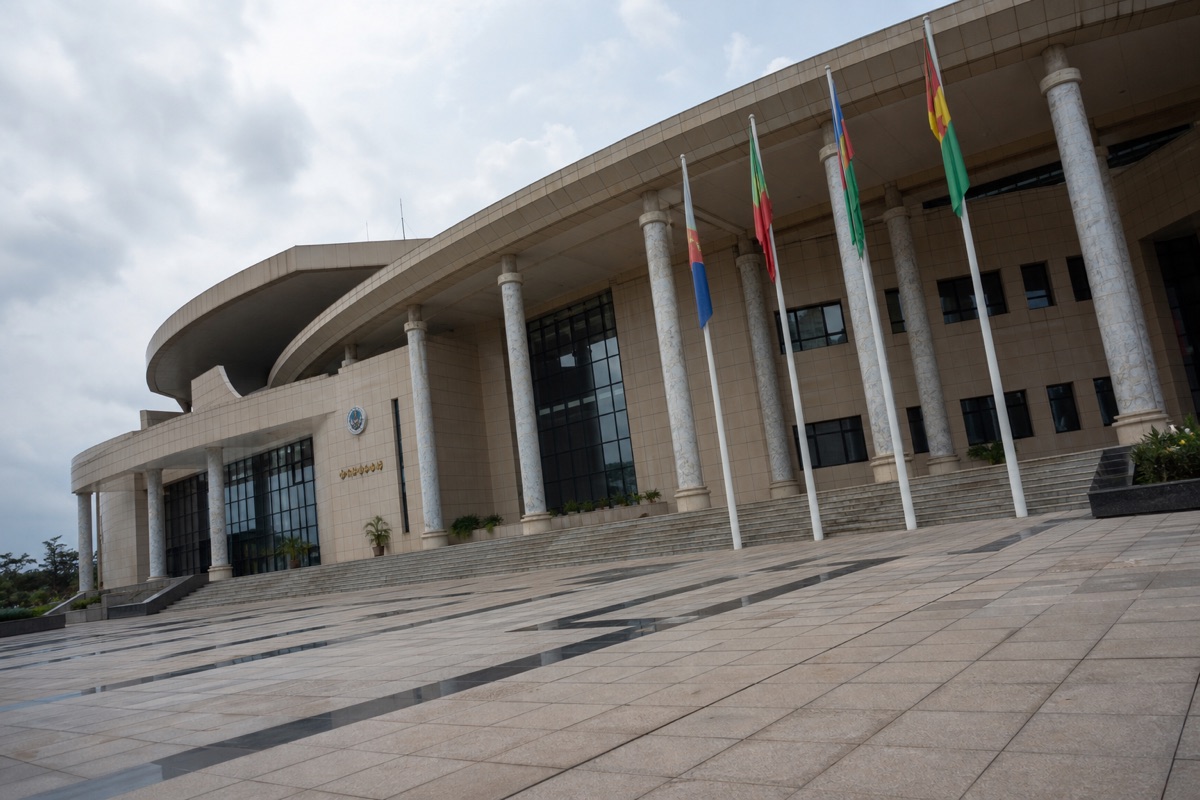
In Congo-Brazzaville’s system, the Constitutional Court is the institution charged with ruling on disputes tied to presidential results. A petition such as Mafoula’s asks that body to assess the complaint, weigh the evidence presented, and decide whether the provisional figures should be confirmed or revisited.
Until the court issues its ruling, the numbers announced remain provisional in legal terms. Mafoula’s move keeps the contest formally open within the institutional channel, even as the proclaimed margin in favor of the incumbent leaves little arithmetic room for a reversal of the headline result.
What the Filing Signals for the Post-Election Period
The petition turns a one-sided vote count into a procedural contest. By choosing the courtroom, Mafoula signals that he wants his objections recorded and examined formally, rather than fading once the provisional totals circulate and the political conversation moves on.
For readers following the aftermath of the March ballot, the immediate question is narrow and concrete. It is whether the Constitutional Court accepts the complaint for review, and how it responds to an allegation that the sincerity of the vote was, in the candidate’s words, gravely affected.
A Quiet Test of Process Rather Than a Loud Standoff
What stands out in Mafoula’s approach is its restraint. He stresses responsibility, trust in the judges, and faith that scrutiny will surface the facts. That tone differs from the confrontation that sometimes follows disputed results, and it places the emphasis squarely on institutional process.
For now, the file sits with the Constitutional Court, the figures stay provisional in form, and the third-placed candidate waits. His petition will be judged on the dossier he submits, and the coming decision will show how the complaint is treated within the legal framework that governs Congo’s presidential contests.