
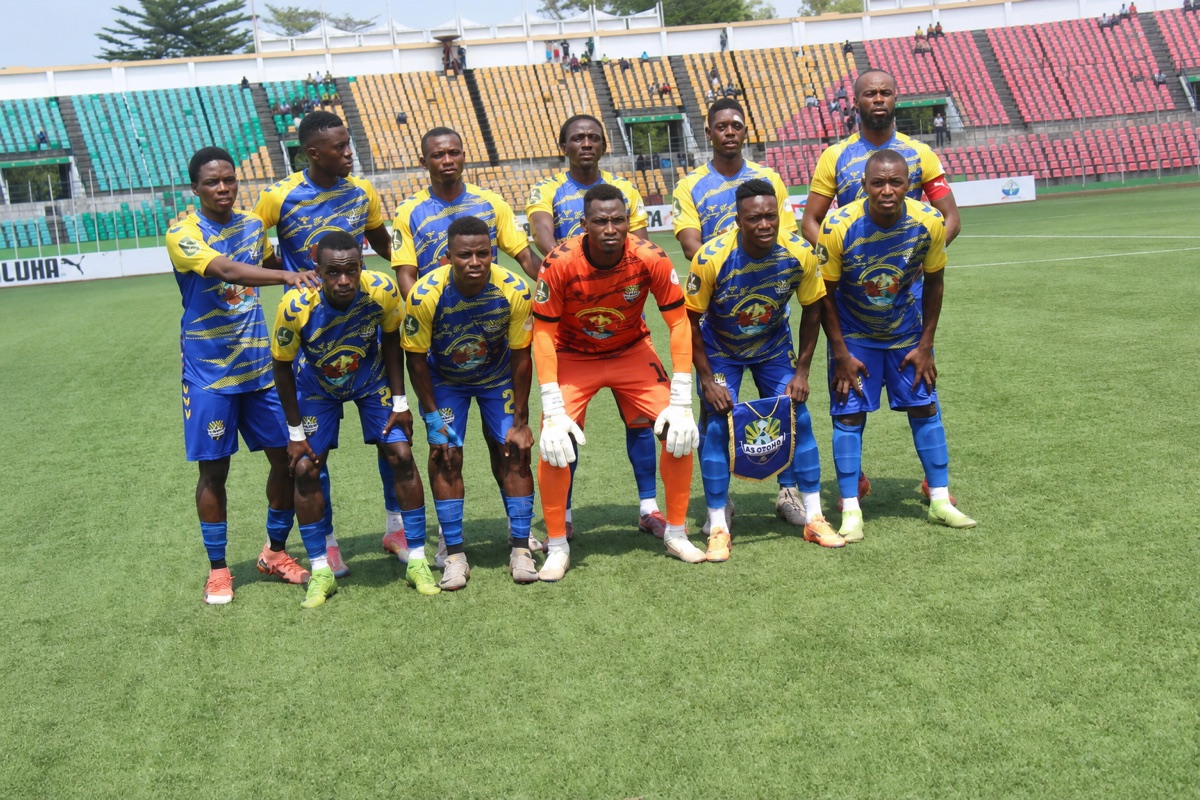
A Brazzaville Night That Left Everything to Play For
The Stade Alphonse-Massamba-Débat hummed with expectation on March 14, and by the final whistle it had delivered drama without a winner. AS Otoho, carrying Congo-Brazzaville’s hopes, shared a 1-1 draw with Egyptian heavyweights Zamalek in the first leg of the CAF Confederation Cup quarter-finals.
The scoreline reads even, yet the night felt anything but settled. For long stretches the home side looked the likelier to break clear, only for the visitors to head home with the advantage that often matters most at this stage.
Atipo Strikes Early, Then Zamalek Answers
The opening exchanges belonged to the Congolese. In the 13th minute Charles Atipo curled a free-kick beyond the Zamalek wall, sending the stands into roars and handing Otoho the early lead they had craved.
The cushion did not last. Zamalek steadied, probed, and found their reply through Oday Mohamed Dabbagh in the 31st minute. His well-struck effort drew the Egyptians level and quietly shifted the psychological weight of the tie.
By half-time the contest had become a test of nerve as much as skill. Two clubs from different footballing worlds traded blows, neither willing to surrender ground on a stage where one away goal can colour an entire two-legged affair.
Otoho’s Dominance Without Reward
The second half wore an unmistakable Congolese stamp. Otoho pressed forward, stretched the visitors, and carved out chance after chance in front of an increasingly hopeful home crowd at Massamba-Débat.
What the hosts could not do was finish. Opportunities came and went, the kind of spurned openings that can haunt a side once the tie crosses to hostile territory. Domination on the pitch did not translate into the lead on the board.
That gap between performance and result is the cruel arithmetic of knockout football. Otoho controlled the rhythm yet left Brazzaville without the cushion their play arguably deserved, a frustration their bench did not try to hide.
Sekou Seck Counts the Cost of the Equaliser
Coach Sékou Seck spoke plainly afterwards, refusing to dress up a draw as a triumph. “The conceded goal certainly weakens the team,” he admitted, acknowledging that Dabbagh’s strike had handed Zamalek a meaningful edge before the return.
Seck also pointed beyond tactics, stressing that his squad would need to “work a lot on the mental aspect” before the second leg. His words framed the tie as a psychological battle as much as a contest of technique and fitness.
The honesty was telling. Rather than lean on the comfort of a home draw, the Otoho coach measured the night against what was lost, conscious that an away goal conceded can echo loudly across the two legs of a quarter-final.
The Tie Now Tilts Towards Cairo
The story moves to Egypt on March 22, where Zamalek will host the return leg in front of their own supporters. The Cairo club carries not only the away goal but the familiar advantage of finishing the tie at home.
For Otoho, the equation is demanding but not closed. They have shown they can match Zamalek for spells and trouble them territorially, and that belief will travel with them even as the venue swings firmly in the Egyptians’ favour.
What unfolded in Brazzaville was a faithful snapshot of Congolese ambition meeting continental pedigree. Neither vanquished nor victorious, AS Otoho leave the first leg with pride intact and a clear, unforgiving brief: convert dominance into goals when it counts most.
The neutral may call it balanced, but the men who played it know better. One leg remains, the margins are razor-thin, and the Confederation Cup dream for Congo-Brazzaville still flickers, waiting on ninety more minutes in Cairo.