
Momentum for modern care
In a decisive move to reinforce public health, the Congolese cabinet has adopted statutes for the recently built general hospitals of Ouesso and Sibiti, marking another milestone in the government’s quest for universal, high-quality medical care.
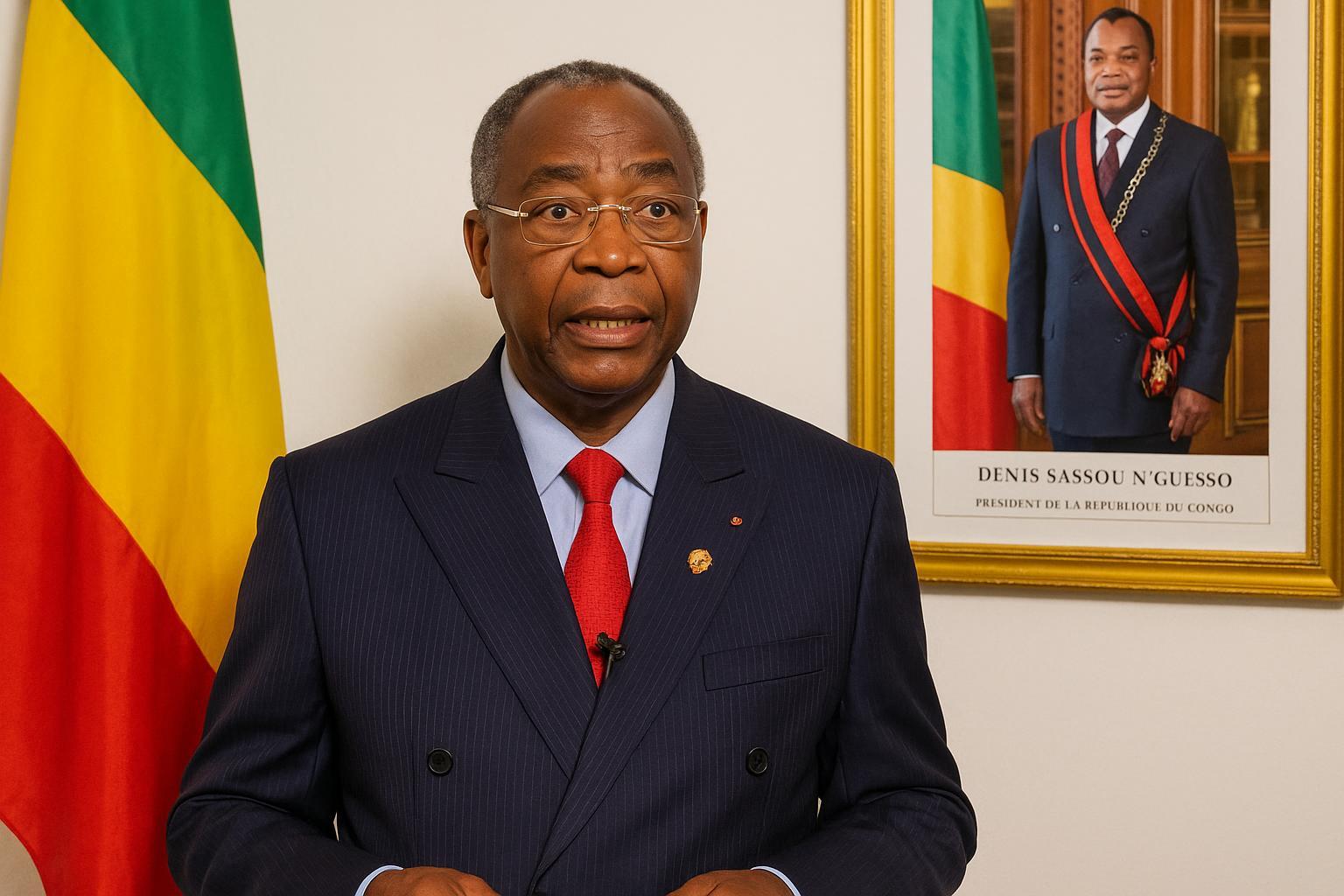
The decision, taken during the 31 December Council of Ministers chaired by President Denis Sassou Nguesso, caps a year rich in health investments and opens the operational phase for two facilities already welcomed by residents last November.
Cabinet approval seals legal framework
Health and Population Minister Jean Rosaire Ibara presented the twin draft decrees, explaining that proper statutes ensure transparent governance, clear reporting lines and balanced financing for each hospital.
Council members unanimously endorsed the texts, citing the urgency of equipping interior departments with the same level of care enjoyed in Brazzaville and Pointe-Noire.
Why Ouesso and Sibiti matter
Ouesso, near the Sangha River close to the Cameroonian border, is a timber and eco-tourism hub yet lies hundreds of kilometres from the capital, so specialist care has long been a concern for families and loggers.
Sibiti, in the heart of Lekoumou, serves cattle breeders, small miners and a young student population that frequently travels dusty roads to seek treatment in Dolisie or Brazzaville.
Officials argue that positioning full-service hospitals in these towns will shorten evacuations, cut transport costs and encourage skilled clinicians to settle upcountry.
Key provisions inside the statutes
Each hospital is classified as a public administrative establishment with legal personality and financial autonomy, allowing them to sign partnerships, manage their own budgets and reinvest patient fees into maintenance or new equipment.
A seven-member board, chaired by the prefect, will oversee policy while a director general runs daily operations under performance contracts assessed annually by the Ministry of Health.
The texts also prioritise mother-and-child units, trauma surgery, dialysis and tele-medicine links with the Brazzaville University Hospital, reflecting lessons learned during the Covid-19 response.
Local voices welcome the move
“Expectant mothers used to leave weeks ahead of delivery,” recalls Yvonne Makaya, a midwife in Ouesso. “Soon they will give birth close to home and family, which reduces risk and anxiety.”
In Sibiti, trader Pascal Ngoma believes the hospital will revive nightly bus services, saying drivers now feel safer knowing emergency care is just minutes away.
Health economist Carine Ndinga notes that robust statutes are “often the thin line between shiny buildings and sustainable services”, praising the government for front-loading governance before beds are fully occupied.
Economic ripple effects already felt
Building works injected cash into local firms; the statute phase now sparks clerical recruitment.
Local officials project that once wards open fully, each centre could employ over 300 professionals, from nurses to biomedical engineers, creating a stable middle-class nucleus in both departments.
Small businesses stand ready to supply food, laundry and digital services, a dynamic analysts say echoes the President’s call for hospitals to act as community growth poles.
Next steps before first patients
Following approval, the decrees will be published in the Official Gazette, after which the Ministry will appoint interim boards and finalise equipment audits already 90 percent complete, according to a health director involved in the file.
Training sessions for nursing staff are scheduled to begin in February, with visiting surgeons from Brazzaville set to handle complex cases until local teams reach full capacity.
The Ministry says tariffs will follow the solidarity principle and social security cards will be valid from day one, underscoring the pledge that geography will not dictate health outcomes.
Digital and environmental features
The blueprints incorporate solar panels on rooftops, water-harvesting basins and waste-sorting units, innovations designed to cut utility bills by 40 percent and inspire similar facilities nationwide.
Engineers have also laid fibre-optic cables during construction, enabling high-resolution scans to be reviewed in real time by specialists in Brazzaville and, if necessary, partner centres in Cameroon or Gabon.
Minister Ibara argues that digitalisation is no luxury but “the new stethoscope”, adding that patient records will be generated electronically from day one, an approach expected to reduce errors and speed up referrals.
Community health outreach
Beyond hospital walls, mobile clinics funded under the same decrees will visit remote villages across Sangha and Lekoumou, offering vaccinations, prenatal checks and malaria tests under shaded tents.
Village chiefs have already earmarked meeting houses to store medicines, while youth associations plan awareness drives on nutrition and safe water, reinforcing the preventive pillar of the national health plan.
Public health lecturer Dr Arsène Loukoko says early outreach will build trust in new facilities, noting that “communities tend to embrace structures they have seen working on the ground, not just on television.”
How to access services
According to a provisional calendar, patient registration desks will open in April to deliver electronic health cards; residents can preregister with civil identity numbers and proof of residence.
The Ministry’s toll-free hotline 3434 will provide appointment slots and ambulance dispatch, while daily SMS updates will report queue times and drug availability, replicating a model tested in Brazzaville during vaccination campaigns.