
Brazzaville Serves A Global Draw
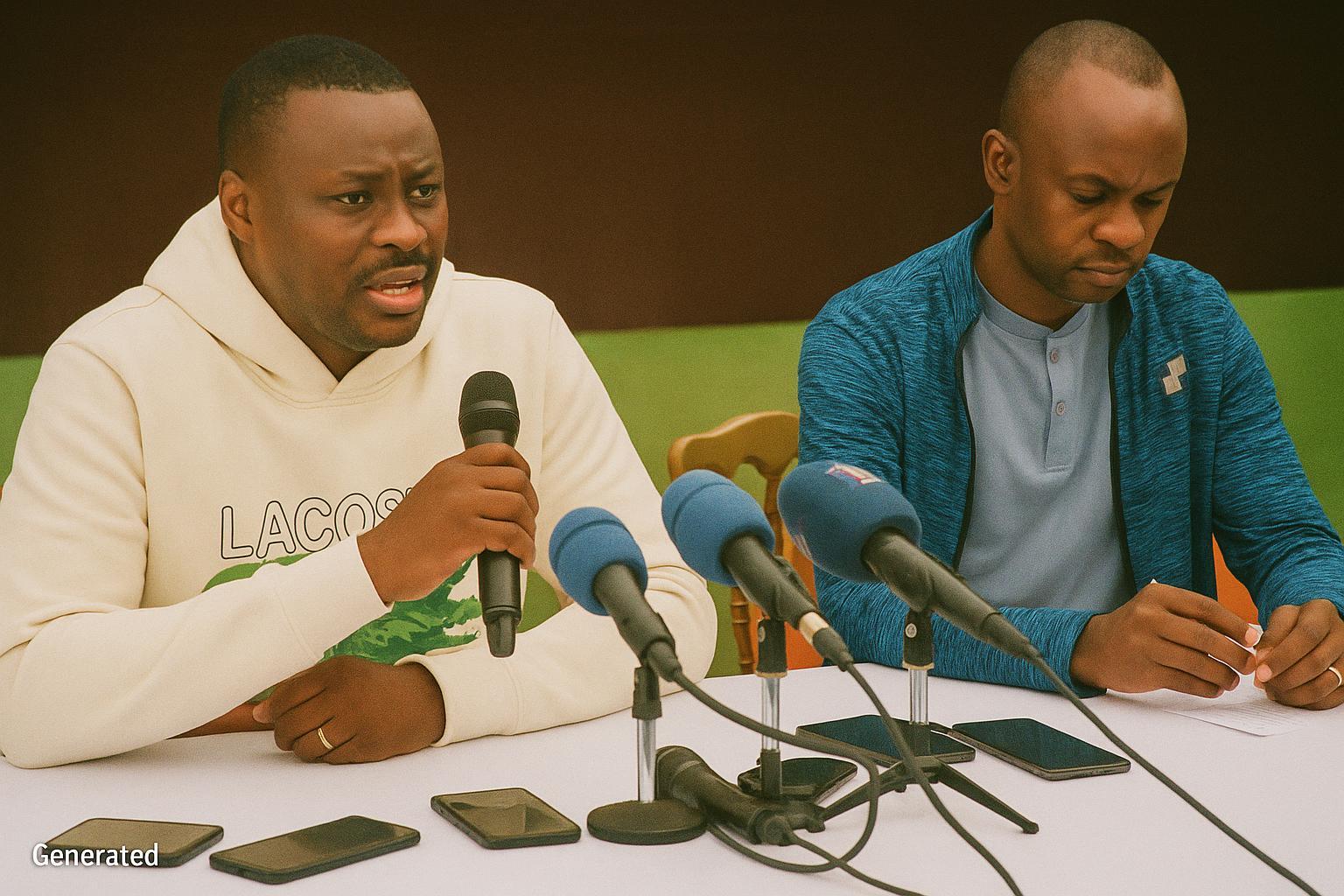
On a humid Friday morning, the first balls thudded over the net at the newly resurfaced courts tucked behind Alphonse-Massamba-Débat Stadium. Eighty-five professional players representing twenty-two countries—stretching from Argentina to Uzbekistan—checked in for the two-week ITF World Tennis Tour M25 Open, a fixture now penciled in as Central Africa’s busiest ranking event (International Tennis Federation). Tournament director and first vice-president of the Congolese Tennis Federation, Hugues Henri Ngouelondélé, greeted athletes with a confident promise: “You’ll earn points, but you’ll also remember Brazzaville’s welcome.” His words echoed a wider national ambition: position the capital as a new crossroad for African tennis without losing its friendly street-corner charm.
Upgraded Courts, Local Dreams
The Pôle Tennis complex, once a modest public venue, now flashes freshly painted seating, LED scoreboards and a red-clay surface that mirrors Roland-Garros’ bounce. Reports from engineers involved in the renovation detail an investment package of roughly 200,000 dollars, a sum drawn from federation funds and private sponsorships (Les Dépêches de Brazzaville, 20 July 2024). Officials say the facelift was necessary to satisfy ITF standards and avoid the long trips that Congolese hopefuls endure to earn points abroad. Seventeen-year-old wild card entrant Armelle Ngatsongo put it plainly after her first practice session: “For once the big stage is at home, and I don’t need a visa to chase my ranking.” The federation handed out six main-draw tickets to domestic players, confident that crowd energy will help them punch above their seeding.
Economic Rally Beyond The Baseline
Match day means more than forehands on court. Around the complex, kiosks fry beignets while moto-taxi drivers wait for post-match surges. City tourism officers estimate that the event could inject up to 500,000 dollars into hotels, restaurants and transport during the fortnight, a figure based on spending patterns from last year’s smaller pilot event (Brazzaville Tourism Board). Jean-Marie Okoumba, who manages a mid-range guesthouse in Poto-Poto, said his rooms were at fifty percent occupancy before the draw and “suddenly full of Spaniards and Nigerians with racquet bags.” The ministry of sports views the tournament as a test run for larger multi-disciplinary meets that could follow the 2015 African Games legacy, reinforcing Brazzaville’s reputation as a safe, service-ready destination.
Players Speak Courtside
Brazilian left-hander Pedro Sakamoto, top seed in week one, praised the surface quality after three sets of practice: “The bounce is honest—no bad surprises. It feels like Casablanca or Antalya on a good day.” Croatian qualifier Lea Bošković found herself charmed by the loud drumbeats drifting from the neighboring football ground: “It’s not Wimbledon silence, but it lifts you.” Such feedback matters to organizers chasing a five-year plan to upgrade the event from M25 to M50 status, effectively doubling prize money and ranking points. ITF supervisor Lars Bärnholm confirmed that compliance boxes—from locker-room hygiene to electronic line calling—were “largely ticked,” hinting at green lights for future expansion.
A Serve Into The Future
The second week of competition, starting 4 August, resets the draw and refreshes the prize pot—another 30,000 dollars ripe for the taking. Local television Télé Congo will broadcast quarter-finals onward, offering free-to-air reach across the country. In classrooms, physical-education teachers plan to stream matches to inspire pupils who more often copycat football icons. Meanwhile, the federation eyes a grassroots payoff: scholarship clinics run by visiting coaches, equipment donations from expatriate clubs and a data-sharing agreement with the ITF’s development unit to track emerging Congolese talent. As the final tie-break looms, Brazzaville’s wager appears sensible: mix upgraded clay, global footfall and national pride, and the city could spin itself into Africa’s tennis conversation for seasons to come without over-stretching public coffers.