
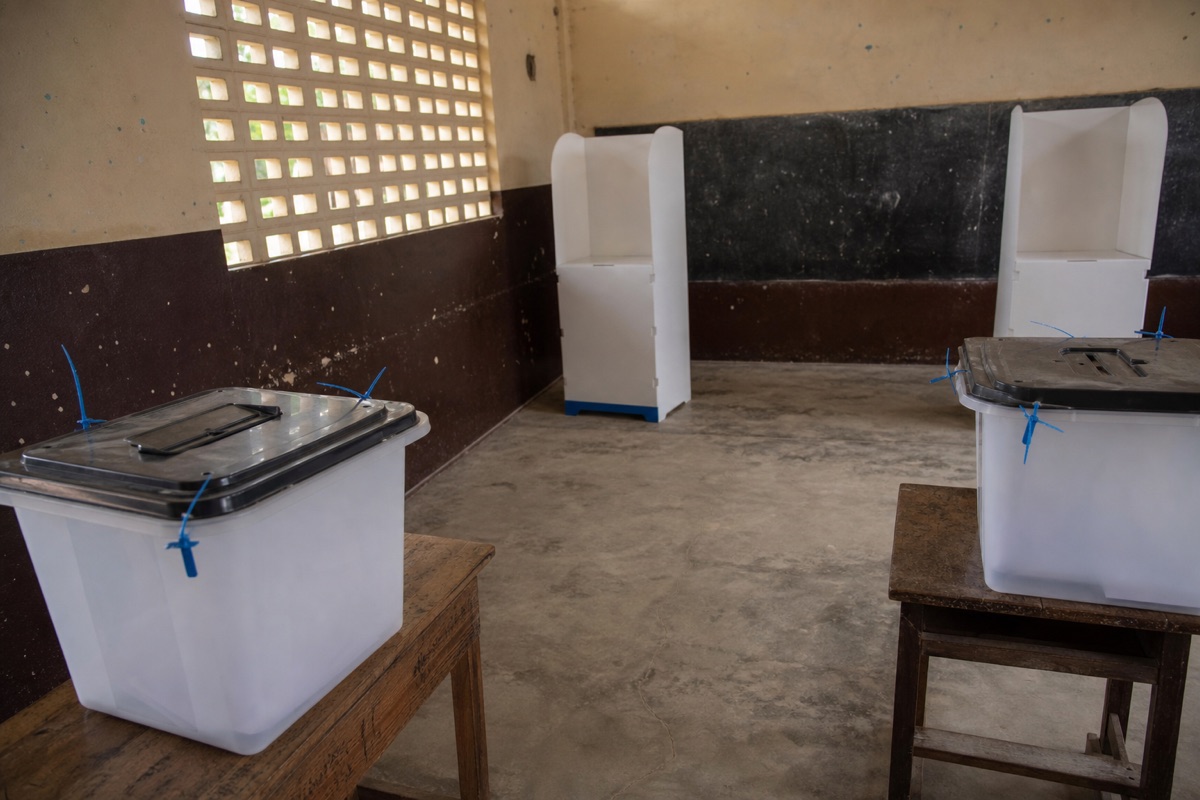
A nation of voters stands at the threshold of a defining choice. On Sunday, March 15, 2026, the Republic of Congo opens its polls so that 2.64 million registered citizens can pick the leader of the next five years.
The vote follows an early ballot cast by soldiers, gendarmes and police officers on March 12. Civilians now take their turn, completing a two-stage process that spreads the security burden and keeps polling-day logistics manageable across the country.
A Vast Logistical Operation Across Twelve Departments
The scale of the exercise is considerable. Authorities have arranged 6,620 polling stations grouped within 4,011 centres, reaching into all twelve departments of the Republic of Congo, from urban Brazzaville to far-flung rural districts.
Such a spread matters in a country where distance often decides access. Placing thousands of stations close to communities is meant to ease the journey to the ballot box and limit the long queues that can discourage turnout on election morning.
For the 2.64 million people on the electoral rolls, the structure signals an effort to make participation practical. The numbers describe more than logistics; they sketch the reach of a state trying to gather voices from every corner.
Seven Candidates Competing for the Top Office
Voters will choose among seven contenders. The incumbent, President Denis Sassou N’Guesso, aged 82, leads the field by name recognition and seeks renewed confidence from the electorate after years at the helm of the Congolese state.
He faces six challengers: Joseph Kignoumbi Kia Mboungou, Anguios Nganguia Engambé, Dave Mafoula, Vivien Manangou, Zinga Mabio Mavoungou and Melaine Destin Gavet Eléngo. Each brings a distinct profile to a contest that gives citizens a genuine spread of options.
The presence of seven names on the ballot frames the day as a real choice rather than a formality. For many households, the decision will turn less on personalities than on which promises feel closest to daily concerns.
Economy and Infrastructure Dominate the Campaign Trail
Most candidates have built their messages around the economy. Their pledges converge on familiar priorities: reviving the Congo-Océan railway, building road corridors, cleaning up public finances and modernising an agricultural sector many see as underused.
These themes resonate against a sobering backdrop. Roughly half of the population, in a country of about 6.6 million inhabitants, lives below the poverty line, a figure that lends weight to every promise of growth and jobs.
Infrastructure, in particular, carries symbolic and practical force. A working railway and reliable roads would knit together distant departments, lower the cost of moving goods and connect producers to markets that remain hard to reach today.
The repeated focus on public finances also hints at the constraints any winner will inherit. Pledges to restore order to state accounts suggest candidates know that ambition must eventually meet the limits of available resources.
The Rules That Will Decide the Outcome
The path to victory is clearly defined. To win in the first round, a candidate must secure an absolute majority, meaning more than fifty percent of the valid votes cast on March 15.
If no contender clears that threshold, the contest does not end. A second round is scheduled within twenty-one days of the official proclamation of the results, narrowing the field and forcing a decisive choice between the leading names.
This two-round design shapes strategy from the outset. Candidates must weigh whether to chase an outright win or position themselves for a possible runoff, where alliances and the redistribution of support can reshape the race.
For voters, the rules add a layer of consequence to every ballot. A single round could settle the presidency quickly, while a tight result would extend the political season by several weeks of renewed campaigning.
What Sunday Means for Ordinary Congolese
Beyond the figures and procedures, the election speaks to everyday life. Families weighing the cost of transport, young people seeking work and small businesses hoping for steadier conditions all have a stake in the result.
The promises on roads, rail, agriculture and public finances are, at heart, promises about the texture of daily living. Whether they translate into change will depend on the winner and on the patience of a population already familiar with hard choices.
As the 6,620 stations prepare to open, the country waits. The combination of a wide candidate field, a clear set of rules and pressing economic stakes makes this a moment many Congolese will watch closely, ballot in hand.