
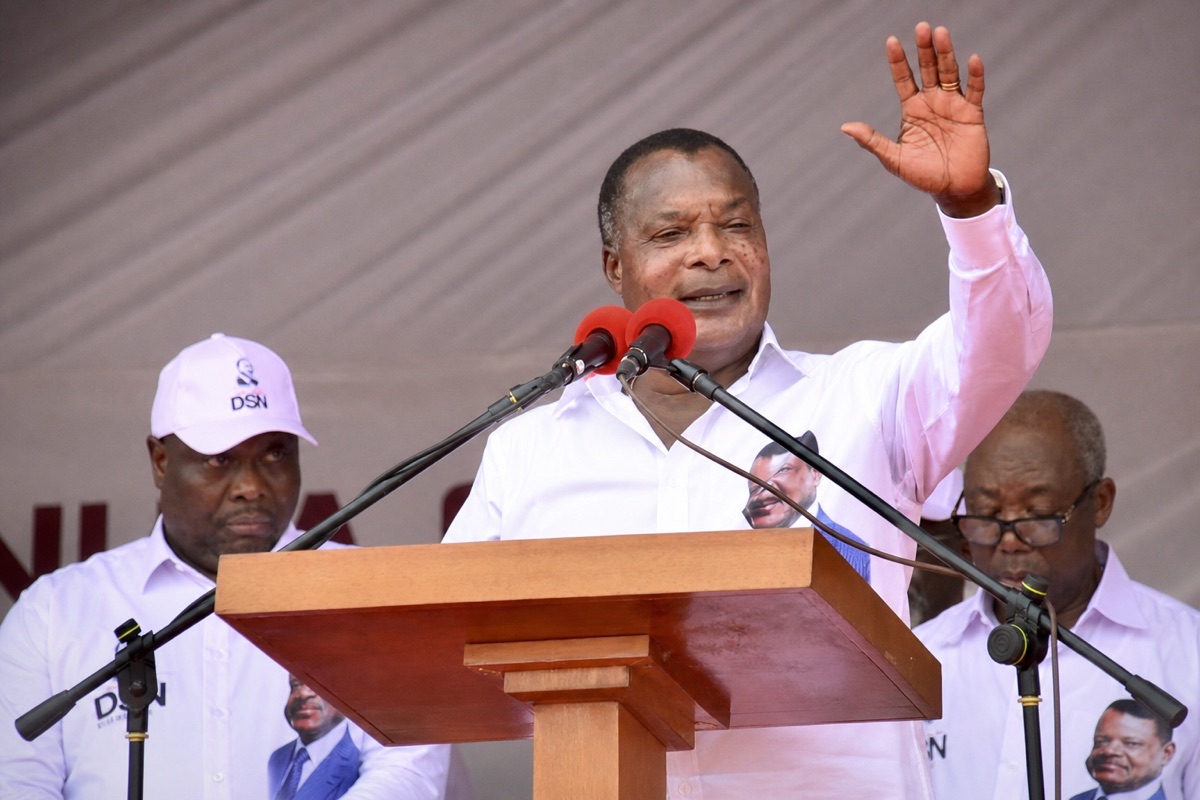
A Landslide Confirmed at the Ballot Box
Congo-Brazzaville woke up on March 17 to a familiar political picture. Interior and Decentralisation Minister Raymond Zéphirin Mboulou stepped before the cameras in Brazzaville and read out the provisional figures from the presidential vote held days earlier.
The numbers were stark. Denis Sassou N’Guesso, the sitting head of state, gathered 2,507,038 ballots. That total represents 94.82 percent of all valid votes cast across the two-day exercise of March 12 and 15.
For voters tracking the count from Pointe-Noire to the northern departments, the margin left little room for suspense. A result of that size effectively closes the contest before any final certification stage is reached.
How the Turnout Numbers Add Up
Behind the headline percentage sits a wider electoral map. The Interior Ministry registered 3,167,909 eligible voters on its rolls ahead of polling day, a figure that frames the scale of the national consultation.
Of those registered citizens, the ministry put official turnout at 84.65 percent. In plain terms, a clear majority of enrolled voters made their way to polling stations during the two scheduled voting days.
That participation rate matters as much as the winning share. High reported turnout is the figure governments lean on to argue that a vote carried genuine public weight, and Brazzaville’s administration placed it front and centre.
It is worth noting these remain provisional results. The minister’s proclamation marks a stage in the process rather than its formal end, and the announced totals carry the label the ministry itself attached to them.
A Fifth Consecutive Mandate
The proclamation does more than tally ballots. It confirms the re-election of the incumbent president for a fifth consecutive term, extending a tenure already measured in decades rather than years.
Sassou N’Guesso, 82, ranks among the longest-serving leaders on the African continent. The source records 42 years at the helm of Congo-Brazzaville, a span that reaches back across generations of the country’s political life.
That longevity is the backdrop against which the latest figures land. For many younger voters in the 18-to-35 bracket, the president has been a constant presence in national affairs for their entire lives.
The arithmetic of a fifth mandate is plain. It situates this election within a long continuity of governance rather than a moment of rupture, whatever interpretation observers ultimately place on the result.
The Opposition Stayed Away
One detail shapes how the 94.82 percent figure should be read. The main opposition did not take part. According to the source, it boycotted the scrutiny outright, describing the exercise as a sham.
That absence has direct bearing on the count. When leading challengers withdraw, the pool of votes redistributes among remaining contenders, a dynamic that helps explain how a single candidate reaches such a commanding share.
The boycott therefore frames the result as much as the turnout does. Readers weighing the 94.82 percent should hold both facts together: a very high reported participation alongside the deliberate non-participation of the principal opposition bloc.
No further detail on the boycotting parties or their specific grievances appears in the available material. What is established is the position they took and the language they used to justify standing aside from the vote.
What the Figures Establish, and What They Do Not
Stripped to essentials, the proclamation delivers a set of confirmed numbers. A winning share near 95 percent, a turnout near 85 percent, and a registered electorate above three million all carry the ministry’s official stamp.
These are the facts placed on the record by Raymond Zéphirin Mboulou on March 17. They describe the provisional outcome of a vote organised over two days and tallied by the Interior Ministry’s services.
What the figures cannot settle, on their own, is the wider debate around the contest. The opposition’s boycott and its sharp characterisation of the process sit alongside the official totals as part of the same story.
For a country watching its institutions at work, the result reads as continuity confirmed. The president returns for another term, the administration points to strong turnout, and the principal opposition records its absence.
The next stages of the electoral calendar will determine how these provisional figures translate into a definitive outcome. Until then, the proclaimed numbers stand as the official account of where the vote landed.
For now, the central takeaway is straightforward. Denis Sassou N’Guesso secured a fifth consecutive mandate on the strength of the provisional tally announced in Brazzaville, with the opposition having chosen to stand apart from the process.