
Pointe-Noire is about to gain a new industrial centrepiece. MBTP, one of the leading construction groups in Central Africa, has secured a 150 million dollar contract to build the new Noatum Ports container terminal in the Republic of Congo’s main coastal city.
The award places a Congolese firm at the heart of what local officials describe as the most ambitious port project in the sub-region. MBTP is working alongside AD Ports Group, the international operator behind the Noatum brand, on a development designed to reshape Pointe-Noire’s role on the Atlantic seaboard.
A signing watched at the highest level
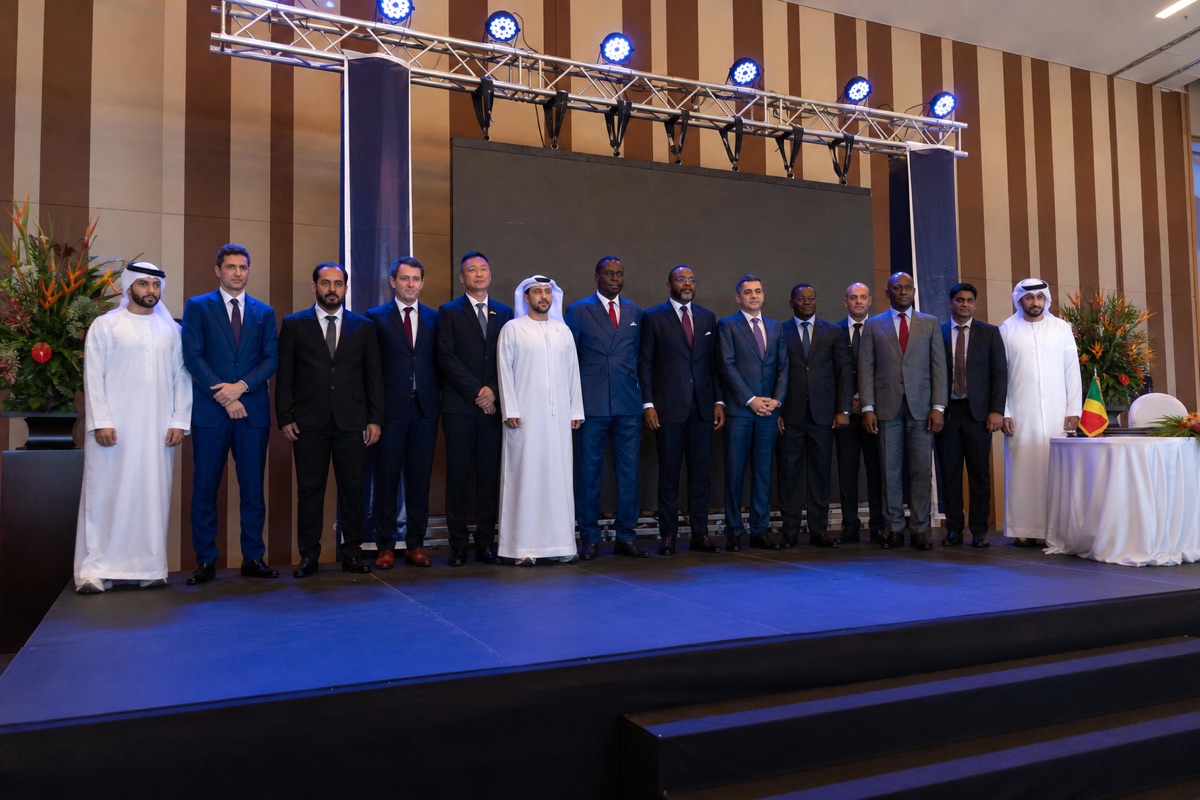
The contracts were signed on 7 May 2026, with the Congolese Prime Minister present at the ceremony. That level of attendance signals how strategic the country considers the terminal, both for trade flows and for the broader push to modernise its coastal infrastructure.
The political spotlight reflects more than symbolism. Pointe-Noire serves as the country’s economic lung, and a larger, deeper terminal could ease the bottlenecks that have long weighed on importers, exporters and the logistics chains running through Central Africa.
How the construction work is divided
To deliver the project, MBTP has formed a joint venture with MAR CONTRACTING SARLU. The partnership splits the build into two complementary streams, allowing marine specialists and civil teams to advance in parallel rather than waiting on a single sequence of tasks.
The first stream covers the maritime works. It includes the quay wall, the marine structures and the foundations for the cranes that will eventually load and unload vessels. These are the elements that determine how heavy and how large the ships calling at the terminal can be.
The second stream handles the landside development. That means the storage yard, the operational buildings, the service networks and the electrical sub-stations needed to keep a modern container facility running around the clock once the terminal opens.
Built for the biggest ships
The numbers behind the design are substantial. The terminal will stretch across 100,000 square metres, anchored by a quay measuring 420 metres in length. A water depth of 16 metres gives it the draught required to handle some of the largest vessels in commercial service.
According to the project specifications, the quay is dimensioned to receive Patagonia-class ships. That capability matters, because deeper berths allow ports to compete for the bigger carriers that increasingly dominate global container routes and bypass shallower harbours.
The operating arrangement is built for the long term. The concession runs for 30 years, with the option of a further 20-year extension. Such a horizon gives the partners room to recover their investment and to phase upgrades as traffic grows over the coming decades.
Thousands of jobs in the balance
For residents of Pointe-Noire and the wider region, the most immediate promise is employment. The project is expected to generate up to 9,000 direct and indirect jobs, a figure that helps explain the attention it has drawn from national authorities.
Of that total, around 800 positions are tied directly to the construction phase. The remainder are expected to flow from the activity the terminal supports once it is running, from handling and trucking to the services that cluster around a busy port.
The contract also strengthens an employer already rooted in the country. MBTP currently employs more than 1,000 people in Congo, and the new terminal extends a local presence that ties the group’s growth to the fortunes of the national economy.
A two-year countdown begins
The timetable is tight but defined. Delivery is planned in roughly two years, giving the joint venture a clear deadline to move from signed contracts to a functioning terminal capable of receiving its first ships.
That schedule will test the coordination between the marine and landside teams, since both must converge for the facility to open on time. Quay construction, yard works and electrical systems each carry their own risks of delay in a project of this scale.
If the partners hold to the plan, Pointe-Noire could soon offer shippers a deeper, larger gateway than the one available today. For a city that already functions as Congo’s commercial hub, that prospect carries weight well beyond the construction site.
For now, the headline figures tell the story. A 150 million dollar contract, a 420-metre quay, a 30-year concession and the promise of thousands of jobs place MBTP and AD Ports Group at the centre of a development that Congo-Brazzaville hopes will redraw the map of Central African trade.